How to Prune Egyptian-privet?
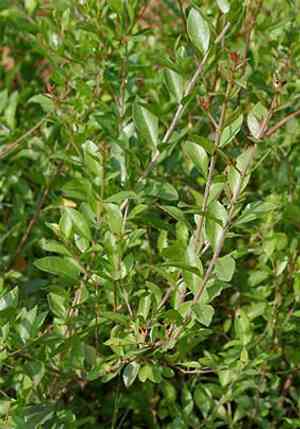
Known for its leaves that yield henna, egyptian-privet is frequently cultivated as a decorative hedge. Effective pruning entails shaping, reducing crowded branches, and eliminating deceased or ailing wood to foster air circulation. The most suitable period for pruning is in winter during the plant's inactive phase, in preparation for robust spring development. Trimming egyptian-privet boosts foliage thickness for a rich look and can elevate leaf quality for henna creation, simultaneously managing its dimensions and averting excessive growth.
What Are the Benefits of Pruning Egyptian-privet?
What Are the Benefits of Pruning Egyptian-privet?
Trimming egyptian-privet encourages robust development and maintains its desired form. Strategic cuts can revitalize egyptian-privet, channeling energy to healthy branches for strong growth.
What Is the Best Time for Pruning Egyptian-privet?
What Is the Best Time for Pruning Egyptian-privet?
Pruning egyptian-privet from late winter to early spring is optimal when the plant is dormant. This timing avoids stressing the plant, as active growth hasn't resumed, promoting quick recovery. Pruning before the growing season begins stimulates new growth, ensures faster wound healing, and reduces the risk of disease from pruning cuts. It also allows for the removal of any frost damage from colder months. Additionally, pre-flowering pruning encourages abundant blooms since egyptian-privet typically flowers on new wood.
What Tools Do I Need to Prune Egyptian-privet?
Hand Pruners
Perfect for cutting slender branches, twigs, and blossoms, ensuring precise, clean cuts.
Lopping Shears
Useful for trimming thicker branches that hand pruners can't manage, offering leverage for more forceful cuts.
Pruning Saw
Essential for removing egyptian-privet's mature or larger branches, allowing cuts through dense growth without harming the rest of the plant.
Hedge Shears
Practical for shaping egyptian-privet's foliage and achieving a neat appearance, best for shearing small branches and leaves.
Gloves
Recommended for protecting hands from thorns and sharp branches while pruning egyptian-privet.
Pruning Sealer
Applied after cutting to shield egyptian-privet's wounds from infections and pests.
Long-reach Pruners
Helpful for pruning the higher branches of egyptian-privet without needing a ladder, enhancing safety.
How to Prune Egyptian-privet
Cleanup
Identify and remove any dead or diseased branches from egyptian-privet to prevent disease spread and improve the plant's overall health. Use sharp, clean pruning shears for precise cuts.
Thinning
Thin out crowded branches to enhance air circulation and light penetration throughout egyptian-privet. Focus on removing inner branches that cross or grow inward toward the plant's center.
Shaping
Shape egyptian-privet by selectively trimming overgrown branches to maintain the desired form. Avoid severe pruning, as egyptian-privet responds best to moderate shaping.
Health Check
Inspect remaining branches for signs of pests or other health issues. If found, take appropriate action, such as applying horticultural oil or a fungicide, if necessary.
Clean Tools
After pruning egyptian-privet, clean and sterilize your pruning tools to prevent disease transmission to other plants. Use a disinfectant like alcohol or a 10% bleach solution.
Common Pruning Mistakes with Egyptian-privet
Over-Pruning
Removing too much foliage at once can weaken egyptian-privet and reduce its ability to photosynthesize, which is vital for its growth and flowering.
Improper Cutting Technique
Using dull or dirty pruning tools can result in jagged cuts that may not heal properly, making egyptian-privet vulnerable to diseases and pests.
Pruning Too Frequently
Frequent pruning can stress egyptian-privet, leading to less vigorous growth and potentially fewer blooms.
Ignoring Natural Shape
Pruning egyptian-privet into an unnatural shape can impede its growth and negatively impact its appearance.
Pruning Without A Plan
Random or unplanned cuts can lead to uneven growth and may compromise the structural integrity of egyptian-privet.
Common Pruning Tips for Egyptian-privet
Sanitize Tools
Before pruning egyptian-privet, ensure all tools are clean and sharp to make precise cuts that heal quickly, minimizing disease risk.
Thinning
Focus on thinning out dense areas to allow light and air to reach inner branches, promoting healthy growth.
Selective Pruning
Remove dead, diseased, or crossing branches to maintain plant health and guide growth as needed for egyptian-privet.
Cutting Angle
Cut branches at a 45-degree angle about 1/4 inch above a bud facing outward to encourage outward growth for egyptian-privet.
Aftercare
After pruning egyptian-privet, provide sufficient water and consider applying a balanced fertilizer to support recovery and new growth.



