How to Prune Topped lavender?
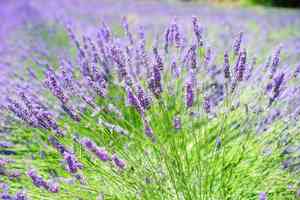
Known for its blossoms that attract butterflies and its perennial leaves, topped lavender flourishes with consistent trimming to preserve its form and stimulate abundant flowering. Perform a light trim following the initial bloom to encourage a subsequent flowering, and execute a more substantial reduction in late summer or autumn, steering clear of severe winter cuts. This trimming improves air movement and revitalizes development. Focus on older, woody stalks for targeted removal, making sure to cut directly above fresh sprouts. Routine pruning also prevents excessive height and sustains topped lavender's dense structure.
What Are the Benefits of Pruning Topped Lavender?
What Are the Benefits of Pruning Topped Lavender?
Trimming topped lavender promotes abundant flowering, stimulates vigorous development, and maintains a compact, appealing shape. It's vital for directing energy towards new flower formation and sustaining plant health.
What Is the Best Time for Pruning Topped Lavender?
What Is the Best Time for Pruning Topped Lavender?
Trimming topped lavender in late spring to early summer is optimal as it follows the initial bloom, encouraging a second flush and robust growth. This timing allows the plant to recover and produce new shoots that can mature before winter. Light early fall pruning should focus on shaping and removing spent flowers, preventing woody growth without risking frost-damaged new shoots.
What Tools Do I Need to Prune Topped Lavender?
Hand Pruners
Perfect for making precise cuts on the slender stems of topped lavender without harming the plant. Choose bypass pruners for their scissor-like action, which is gentle on the plant's living tissue.
Pruning Shears
Useful for shaping topped lavender by trimming stem tips, ensuring a neat look and promoting denser growth.
Gloves
Protect hands from the fragrant oils of topped lavender during trimming and also provide safety from the sharp edges of the tools used in the process.
Garden Scissors
Convenient for snipping off faded flower heads, also known as deadheading, which encourages topped lavender to produce more blooms.
Small Saw
For older, tougher stems, a small saw can assist in cutting through them without causing strain or injury to the plant or the gardener.
How to Prune Topped Lavender
Step1: Assessment for Trimming
Evaluate topped lavender for overall health, identifying all flower stems, dead flowers, and old wood that need trimming. Ensure pruning occurs in late winter or early spring before new growth begins.
Step2: Tool Sanitation
Sanitize your pruning tools with a bleach or alcohol solution to prevent disease spread. Use sharp secateurs or pruning shears for clean cuts.
Step3: Dead Flower Removal
Start by removing dead flowers. Cut spent blooms back to just above the first set of healthy leaves. This deadheading encourages topped lavender to produce more flowers and prevents seed formation.
Step4: Blooming Stem Pruning
Trim flower stems after topped lavender has finished blooming. Cut these stems back by about one-third of their length, ensuring the cut is made just above a leaf node or a new growth point.
Step5: Old Wood Cutting
Identify old wood, typically characterized by thick, woody stems and reduced flowering. Prune this wood back to where there is new green growth, but avoid cutting into the woody base as this can damage topped lavender.
Step6: Selective Shaping
Shape topped lavender as desired by selectively pruning to maintain its natural mound-forming habit. Avoid over-pruning, which can lead to a sparse appearance and hinder growth.
Step7: Trimming Cleanup
Clean up all trimmings from around topped lavender to deter pests and disease. Compost healthy trimmings and dispose of any diseased material appropriately.
Step8: Post-Pruning Care
After pruning, water topped lavender thoroughly and consider applying a balanced, slow-release fertilizer to support healthy regrowth.
Post-Pruning Care for Topped Lavender
Post-Pruning Care for Topped Lavender
Immediately after trimming topped lavender, water the plant thoroughly to reduce stress. Ensure it receives adequate light, but avoid direct afternoon sun which can scorch tender new growth. Maintain ambient temperatures and moderate humidity to facilitate recovery. Apply a balanced, slow-release fertilizer to replenish nutrients, encouraging healthy regrowth. Regularly check for signs of stress, such as wilting or discoloration, and for infection indications like unusual spots or decay. Take action by adjusting care conditions or applying appropriate fungicides if necessary.
Common Pruning Mistakes with Topped Lavender
Avoid Cutting into Old Wood
Cutting into old wood where topped lavender may not readily produce new shoots. This can severely harm or potentially kill the plant.
Do Not Over-Prune Foliage
Excessive pruning or removing too much foliage at once can stress topped lavender, leading to reduced vigor and sparse flowering.
Use Clean, Sharp Pruning Tools
Using dull or dirty pruning tools that can cause jagged cuts and introduce diseases to topped lavender.
Prune with a Purpose
Pruning without a clear objective, such as shaping or removing dead flowers, can result in unwanted growth patterns and an unsightly appearance for topped lavender.
Disinfect Pruning Equipment
Failing to disinfect pruning equipment before use on topped lavender, which can spread pests and pathogens between plants.
Common Pruning Tips for Topped Lavender
Sharp, Clean Tools for Healthy Cuts
Always use sharp, clean tools for trimming topped lavender to ensure clean cuts that heal quickly, reducing the risk of disease.
Prune Above Leaf Nodes for Bushier Growth
Trim topped lavender by cutting just above the leaf nodes to encourage bushier growth and more abundant blooms.
Deadhead to Stimulate New Blooms
Regularly remove spent flowers on topped lavender to stimulate new flower production and maintain a tidy appearance.
Selective Pruning for Shape Control
When managing the shape of topped lavender, selectively trim leggy or overgrown stems to maintain a dense, attractive form without over-pruning.
Remove Damaged Stems Promptly
Trim away damaged or diseased stems from topped lavender as soon as they are identified to maintain plant health and vigor.



