How to Prune Spike lavender?
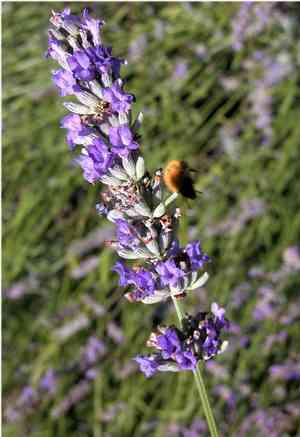
Originating from the Mediterranean region, spike lavender is valued for its fragrant leaves and blossoms. To ensure robust development, trim the plant right after it blooms in late spring or early summer, severing spent flower stems at the plant's base. This practice stimulates new shoots and prevents the core from becoming lignified. Consistent trimming also fosters a compact, thick form and boosts essential oil creation, which is vital for its scent. Always sanitize your pruning implements to prevent the transmission of pathogens. Refrain from severe cutting into mature wood, as it might not regenerate.
Advantages of Trimming Spike Lavender
Advantages of Trimming Spike Lavender
Trimming spike lavender boosts flowering and aids in pest and disease management. Regular cutting promotes denser, healthier development, ensuring the plant retains its form and vitality. Removing old or diseased wood reduces infection risks, fostering a robust and vibrant plant.
Optimal Time for Pruning Spike Lavender
Optimal Time for Pruning Spike Lavender
The best periods for pruning or trimming spike lavender are late spring and early summer. Pruning during these times aligns with the end of the plant's dormant phase and the start of active growth. This timing allows spike lavender to recover quickly from pruning and encourages new growth that will mature over the summer. Pruning after flowering enables gardeners to shape the plant without sacrificing the current season's blooms, as spike lavender typically flowers in early to mid-spring. Late pruning can result in the removal of buds set for the next flowering season. Trimming in late spring or early summer also minimizes the risk of frost damage to new growth and avoids the stress on the plant that summer heat can cause.
Tools Required for Pruning Spike Lavender
Hand Pruners
Perfect for precise cuts on spike lavender's flower stalks and slender branches, ensuring a clean cut without harming the plant.
Shears
Most suitable for shaping spike lavender, as they allow for cutting multiple stems simultaneously, helping maintain its rounded, bushy form.
Pruning Saw
Used for removing thicker, woodier stems of older spike lavender plants, which are too large for hand pruners.
Gloves
Essential for protecting hands from spike lavender's woody stems and any potential skin irritants in the foliage.
Pruning Loppers
Useful for reaching into dense growth of spike lavender without damaging surrounding stems and for increased leverage when cutting tougher branches.
How to Prune Spike Lavender
Sanitation
Disinfect your pruning tools with an alcohol or bleach solution to prevent disease transmission.
Health Removal
Carefully remove any diseased leaves, withered leaves, dead branches, and diseased branches from spike lavender using clean, sharp pruning shears.
Deadheading
Deadhead spike lavender by cutting spent flowers back to the first set of healthy leaves to encourage new growth and extend blooming.
Thinning
Thin out excessive growth branches to improve air circulation through spike lavender's foliage, enhance sunlight penetration, and promote healthy growth patterns.
Shape Maintenance
Shape spike lavender by selectively cutting back overgrown areas to maintain an attractive, natural form while avoiding over-pruning, which can stress the plant.
Common Pruning Errors with Spike Lavender
Over-Pruning
Cutting back spike lavender too severely can impair the plant's ability to regenerate and bloom. It's crucial to avoid removing more than one-third of the plant's growth in a single pruning session.
Blunt Tools
Using dull or unclean pruning tools can crush stems and invite disease. Always use sharp, clean tools to make precise cuts and minimize harm to spike lavender.
Pruning Healthy Tips
Avoid pruning the green, non-woody tips of spike lavender, as these are where new flowers will form. Removing these parts can significantly reduce blooming.
Shaping
Imposing strict shaping can lead to unnatural growth patterns and stress spike lavender. Instead, focus on maintaining its natural mound shape.
Neglecting Deadheads
Failing to remove spent flowers or 'deadheading' can lead to a decrease in bloom production as spike lavender may focus energy on seed production.
General Pruning Advice for Spike Lavender
Selective Thinning
Thin out older, woody stems to allow light and air to reach the inner parts of spike lavender, promoting healthier growth and preventing disease.
Post-Bloom Pruning
Prune spike lavender immediately after the bloom cycle to shape the plant and encourage the development of new flowers for the subsequent season.
Clean Cuts
Make clean cuts at a 45-degree angle just above a leaf node or branching point, which can stimulate spike lavender to produce new growth.
Regeneration
Gradually remove one-third of the oldest stems each year, which encourages spike lavender to regenerate and maintain vigor without sacrificing the current season's bloom.
Sterilize Tools
Before and after pruning spike lavender, sterilize your tools with alcohol or a 10% bleach solution to prevent the spread of disease.



