How to Prune French lavender?
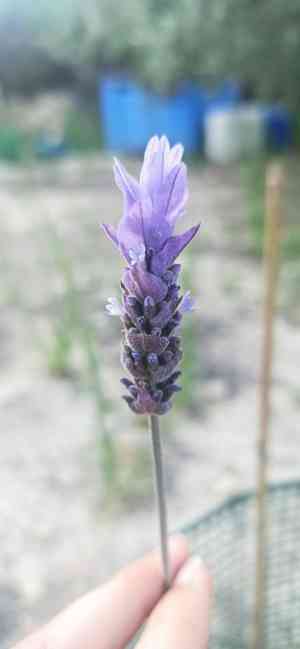
Valued for its aromatic, silvery-green leaves and violet blossoms, french lavender flourishes with consistent trimming. To encourage dense development, snip off faded flowers and gently sculpt the plant after flowering, preferably in late summer or early autumn. Reducing the plant by up to one-third each year revitalizes it. Refrain from cutting into mature wood, as fresh growth might not reappear. Trimming improves air movement and bloom production in french lavender, ensuring it remains compact and vigorous.
What Are the Benefits of Pruning French Lavender?
What Are the Benefits of Pruning French Lavender?
Trimming french lavender promotes abundant flowering, stimulates vigorous development, and maintains a dense, appealing shape. Regular cutting prevents french lavender from becoming leggy and sparse, leading to a healthier, more attractive specimen.
What Is the Best Time for Pruning French Lavender?
What Is the Best Time for Pruning French Lavender?
The optimal period for trimming french lavender is late winter to early spring, typically before new growth begins. This timing allows for shaping and removal of frost damage without hindering new shoot development. Pruning after blooming capitalizes on the natural growth cycle when french lavender has expended energy on flowers and is ready for new growth, ensuring plant health and encouraging robust blooms for the next season. Pruning during these times also helps preserve french lavender's compact form and prevents woodiness.
What Tools Do I Need to Prune French Lavender?
Hand Pruners
For precise cuts and shaping of french lavender, sharp hand pruners are ideal. They enable clean cuts without harming the woody stems.
Pruning Shears
These are suitable for snipping off old flowers and minor shaping. Given french lavender's relatively small size and delicate stems, pruning shears facilitate quick touch-ups and help maintain plant vitality.
Gloves
Wearing gloves while trimming french lavender protects hands from its oil-rich foliage, which can irritate some individuals' skin.
Pruning Saw
If dealing with older, more woody french lavender specimens, a small pruning saw might be necessary for removing dead or thick branches that hand pruners cannot manage.
How to Prune French Lavender
Step1: Tool Preparation and Sanitization
Prepare the necessary trimming tools, such as sharp bypass pruners or garden shears, and disinfect them to prevent disease spread. Wear garden gloves for protection.
Step2: Identifying and Deadheading Flowers
Assess french lavender to locate all spent flowers. Removing dead flowers, or deadheading, encourages more blooms and a healthier plant.
Step3: Proper Cutting Technique
Begin trimming by cutting the dead flowers with the pruners. Make cuts approximately 1/4 inch above a leaf node or set of leaves, ensuring at least two sets of leaves remain below the cut for continued plant vigor.
Step4: Identifying Overgrown Stems
Locate stems that have grown excessively, disrupting french lavender's shape or impeding airflow. Overgrown stems are also those extending significantly beyond french lavender's natural outline.
Step5: Pruning Overgrown Stems
Trim these overgrown stems by cutting back to just above a leaf node, making a 45-degree angle cut to promote new growth and maintain french lavender's desired shape.
Step6: Addressing Woody Growth
Inspect the base of french lavender for any sections that have become woody. These woody bases can diminish the plant's vigor and flowering capacity.
Step7: Trimming Woody Base
Carefully trim away some of the woody base, cutting back to where green growth is still present. Avoid cutting into woody parts without green shoots, as this could harm french lavender.
Step8: Structural Shaping
Shape french lavender by selectively trimming to maintain a tidy, rounded form, removing any errant or awkwardly growing stems to encourage a dense and well-structured plant.
Step9: Cleanup of Clippings
Clear away all trimmings and dispose of them properly, as decaying plant material can harbor pests and diseases.
Step10: Post-Pruning Hydration
Water french lavender thoroughly after trimming to help reduce plant stress and aid in recovery.
Step11: Fertilization After Pruning
Apply a light amount of balanced, slow-release fertilizer to provide nutrients and support new growth following the trimming session.
Post-Pruning Care for French Lavender
Post-Pruning Care for French Lavender
After trimming french lavender, water the plant immediately to encourage recovery. Ensure it receives full sunlight and maintains a consistent temperature between 65-75°F. Humidity should be moderate. Fertilize french lavender with a balanced, slow-release fertilizer to support new growth. Regularly check for signs of wilting, discoloration, or infection. At any symptom of stress, adjust care and consult a horticulture expert for potential treatment.
Common Pruning Mistakes with French Lavender
Overly Aggressive Pruning to Woody Base
Trimming too aggressively, which can involve cutting into french lavender's woody base, where new growth may not emerge. This can significantly reduce the plant's ability to produce blooms.
Not Deadheading Faded Blooms
Failing to remove dead or fading flowers, which can prevent french lavender from directing its energy into producing new growth and blooms.
Using Dull or Unclean Tools
Employing dull or unsanitized trimming tools, which can damage french lavender's stems and potentially introduce disease to the plant.
Disregarding Plant's Natural Shape
Ignoring the plant's inherent shape and form during trimming, which can result in a less appealing appearance and may hinder the plant's development.
Not Thinning Overcrowded Stems
Neglecting to thin out overly dense stems, which can lead to poor air circulation within the plant and may increase susceptibility to pests and diseases.
Common Pruning Tips for French Lavender
Use Sharp, Clean Shears for Pruning
Ensure the use of sharp, clean shears or pruners to make precise cuts that will heal quickly, minimizing the risk of disease affecting french lavender.
Prune to Natural Shape, Avoid Old Wood
Trim for shape by following french lavender's natural mounding habit; lightly shape the plant without cutting into old wood to maintain its compact and attractive form.
Deadhead Spent Blooms After Flowering
After blooming, remove spent flowers to encourage a second flush of blooms. This will keep french lavender looking neat and may extend the flowering period.
Light, Regular Pruning for Vigor and Blooms
Trim lightly but consistently, cutting back up to a third of the current season's growth to maintain french lavender's health and vigor, and to promote denser foliage and more blooms.
Remove Dead or Damaged Stems Promptly
Watch for any dead, diseased, or damaged stems and remove them promptly to maintain french lavender's health, ensuring cuts are made just above a healthy leaf node or set of leaves.



