How to Prune Sweet pea?
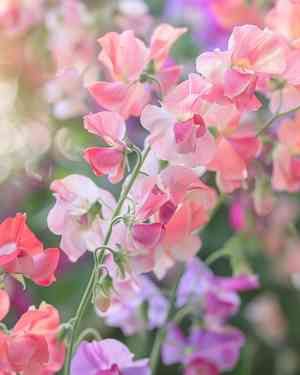
A perfumed, vining annual, sweet pea flourishes with consistent trimming to enhance air movement and abundant blossoms. Removing spent flowers stimulates additional blooming. Nip the apex of juvenile plants to encourage compact development. Trim in early spring to prompt initial development; persist until late autumn to sustain plant vitality. Immediately dispose of infected leaves. Trimming aids the plant by increasing floral output and lowering the chance of illness.
What Are the Benefits of Pruning Sweet Pea?
What Are the Benefits of Pruning Sweet Pea?
Trimming sweet pea promotes robust development and maintains its desired form. This action stimulates fresh, healthy growth, enabling the plant to yield abundant blossoms. Pruning also helps sweet pea direct its energy towards flower production instead of excessive foliage.
What Is the Best Time for Pruning Sweet Pea?
What Is the Best Time for Pruning Sweet Pea?
Pruning sweet pea in early spring fosters strong development by channeling the plant's energy into new shoot formation, vital for its vigorous growth and blooming capacity. Additionally, removing faded flowers throughout the growing season can boost flowering and prevent the plant from allocating resources to seed creation. Late fall pruning aids in preserving plant structure and health by eliminating dead or diseased foliage, which could otherwise harbor pests or illnesses over winter. These periods align with sweet pea's yearly growth cycle, ensuring vitality and prolific flowering. Adhering to this timeframe also minimizes plant stress, as severe pruning outside these periods can lead to reduced blooming and weaken the plant's overall health.
What Tools Do I Need to Prune Sweet Pea?
Bypass Pruners
Perfect for making clean cuts on the soft, green stems of sweet pea without crushing plant tissue.
Garden Scissors
Useful for precise trimming and deadheading sweet pea, which encourages further blooming.
Pruning Shears
If a more robust cutting tool is needed for tougher or woodier stems of older sweet pea plants.
Gloves
Hand protection while handling sweet pea, as repeated pruning can be harsh on the skin.
Twine or Plant Ties
Helps in guiding sweet pea to grow on support structures, as it is a climbing plant that benefits from being tied to ensure optimal growth and flower display.
How to Prune Sweet Pea
Step1: Tool Sanitization
Sanitize your pruning tools before you start. This prevents the spread of disease to sweet pea. You can clean your shears with a solution of 1 part bleach to 9 parts water or use isopropyl alcohol.
Step2: Deadheading for Reblooming
Begin by removing spent flowers, also known as deadheading. Cut just above the next set of leaves below the faded bloom. This encourages sweet pea to produce more flowers, improves air circulation, and focuses the plant's energy on growth.
Step3: Removing Yellow Leaves
Identify yellow leaves, which can indicate stress or disease. Prune these leaves at their base, making your cut where the leaf stem meets the main plant stem. Removing these leaves helps to enhance the plant's overall health and appearance.
Step4: Trimming Withered Branches
Look for withered branches on sweet pea. Cut these branches back to their origin point on the main stem or to the nearest healthy offshoot. This selective pruning can stimulate new growth and increase air circulation.
Step5: Thinning Overcrowded Stems
Thin out the plant by removing some of the older or overly dense stems. This will help to shape sweet pea and allow light to reach the inner part of the plant, boosting its overall vigor and bloom potential.
Step6: Debris Cleanup
After pruning, clear away all the debris from around the base of sweet pea. This helps to prevent disease and pest problems as fallen debris can harbor unwanted organisms.
Step7: Post-Pruning Watering
Water the plant thoroughly after pruning to help it recover from the stress of trimming. Ensure that water penetrates the soil to reach the roots of sweet pea.
Step8: Post-Pruning Monitoring
Monitor sweet pea after pruning to ensure that it recovers and continues to grow healthily, making adjustments to care and maintenance as needed.
Post-Pruning Care for Sweet Pea
Post-Pruning Care for Sweet Pea
After pruning, sweet pea needs ample sunlight and moderate watering to avoid stress, ensuring high humidity is prevented. Maintain mild temperatures, as extremes can affect recovery. Fertilize with a balanced, low-nitrogen feed to promote healthy growth. Carefully watch sweet pea for wilting, discoloration, or lesions, which may signal stress or infection. Any signs of disease should be addressed promptly with the appropriate fungicide or pest control methods, maintaining good air circulation to aid healing.
Common Pruning Mistakes with Sweet Pea
Failing to Deadhead Promotes Seed Over Blooms
Neglecting to remove spent blossoms on sweet pea, leading to reduced flowering as the plant prioritizes seed production over new blooms.
Over-Pruning Stresses Plant and Reduces Blooms
Cutting off too much plant material at once, which can stress sweet pea and potentially diminish its vigor and flowering capacity.
Indiscriminate Pruning Hampers Natural Growth
Pruning healthy tendrils and shoots without discretion, thereby limiting the plant's natural growth habit and reducing its ability to produce flowers.
Blunt or Dirty Tools Damage Stems and Spread Disease
Using dull or unclean pruning tools, which can harm the stems of sweet pea and introduce disease.
Neglecting Lateral Shoots Leads to Unbalanced Growth
Ignoring lateral shoots and only focusing on the main stems during pruning, which can result in an imbalance in the plant's growth and a less abundant floral display.
Common Pruning Tips for Sweet Pea
Deadheading Encourages More Blooms
Regularly deadhead sweet pea by removing the spent flowers just above a set of leaves. This encourages the plant to produce more blooms rather than focusing on seed formation.
Pinching for Bushier Growth and More Flowers
Trim or pinch off the tips of young sweet pea plants to encourage bushy growth and more flowering sites. This will help the plant become fuller with more stems to support blossoms.
Selective Pruning of Damaged Stems Enhances Shape and Health
Carefully select and remove only the unhealthy or damaged tendrils and stems to maintain the plant's robust shape and improve air circulation, which can help prevent fungal diseases.
Sharp, Clean Shears for Healthier Cuts
Use sharp, clean pruning shears to make clean cuts on sweet pea, which will heal faster and decrease the chance of disease.
Pruning Lateral Shoots for Balanced Bloom Production
Monitor the growth of lateral shoots and selectively prune them to shape the sweet pea plant and promote a more balanced and prolific bloom production.



