How to Prune Perennial pea?
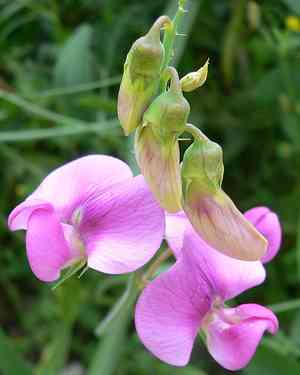
A vining, decorative legume, perennial pea yields vivid blossoms atop expansive leaves. Trim in early spring to encourage development and in late autumn to manage dimensions. Remove lifeless or frail stalks and control expansion by cutting back excessive growth. Advantages encompass enhanced vitality, superior air circulation, and potentially more abundant flowers following pruning. Refrain from excessive trimming, as this can diminish blooming. Proper timing fosters strong health and plentiful flowering periods.
Advantages of Trimming Perennial Pea
Advantages of Trimming Perennial Pea
Trimming perennial pea promotes abundant blooming, stimulates vigor, and maintains a pleasing shape. It is crucial for the plant's robust health and visual appeal.
Optimal Time for Trimming Perennial Pea
Optimal Time for Trimming Perennial Pea
Pruning perennial pea in early spring is beneficial as it occurs before the new growth cycle begins, allowing the plant to focus energy on developing new shoots and flowers. This timing helps maintain the plant's desired form and vitality, and removes any dead or damaged stems that could harm its overall health. Late fall is also a suitable pruning period for perennial pea since it has typically finished flowering by then, and trimming can be done without impacting the next season's blooming potential. This post-flowering trim helps prevent unwanted seed dispersal and prepares perennial pea for winter dormancy by removing excess growth, which can otherwise harbor pests or diseases.
Tools Required for Pruning Perennial Pea
Hand Pruners
Perennial pea typically produces relatively slender stems that are best cut with hand pruners, which allow for precise cuts without causing unnecessary damage to the plant.
Pruning Loppers
For the occasional thicker stem or for reaching into dense growth without harming other stems, loppers have longer handles that provide the leverage needed for clean cuts.
Pruning Saw
If perennial pea has developed any woody, thick stems, a small pruning saw can be essential for making clean cuts through these tougher sections without damaging the rest of the plant.
Gloves
It's advisable to protect your hands with gloves while pruning perennial pea as the stems can sometimes have rough edges that may cause minor abrasions.
Garden Shears
For shaping and controlling the spread of perennial pea, garden shears can efficiently trim and shape the foliage, maintaining the aesthetic look of the plant.
How to Prune Perennial Pea
Step1: Identify Old Stems
Locate old stems on perennial pea at the end of the flowering season or in early spring. These stems are typically more woody and have fewer leaves or blooms compared to new, green growth.
Step2: Sterilize Pruning Shears
Sanitize your pruning shears with rubbing alcohol or a household antiseptic cleaner to prevent disease spread before and after making cuts.
Step3: Cut at 45-Degree Angle
Cut the old stems at their base where they emerge from the ground or from the main stem. Make the cut at a 45-degree angle, about 1/4 inch above a bud or branching point, ensuring the cut is clean and precise.
Step4: Remove Dead Material
Remove any additional dead or damaged material you observe to promote healthy growth and air circulation. This includes leaves, stems, or any plant debris around the base of perennial pea.
Step5: Thin Out Crowded Areas
Thin out any crowded areas by removing select stems to improve light penetration and air flow, which can reduce the risk of disease and encourage new growth.
Step6: Apply Mulch
After pruning, apply a layer of mulch around the base of perennial pea, but keep it away from the stems to deter pests and diseases.
Step7: Water After Pruning
Water the perennial pea thoroughly after pruning to support recovery and new growth, especially if the weather is dry.
Step8: Monitor and Shape Growth
Monitor the plant for signs of new growth and perform additional light pruning as necessary to shape the plant or to remove any new, but unwanted or poorly placed shoots.
Post-Pruning Care for Perennial Pea
Post-Pruning Care for Perennial Pea
After pruning perennial pea, immediately water the plant to alleviate pruning stress. Ensure perennial pea is located in well-lit areas but avoid intense midday sun. Maintain moderate humidity and a stable temperature, shielding perennial pea from extreme conditions. Apply a balanced, slow-release fertilizer to replenish nutrients. Regularly inspect for wilted leaves, discoloration, or pests, as these indicate stress or infection, and respond with appropriate plant healthcare interventions. Consistent monitoring aids in the robust regrowth of perennial pea.
Common Pruning Errors with Perennial Pea
Incorrect Pruning Timing
Pruning at the wrong time during the growth cycle, which may reduce perennial pea's potential to produce flowers abundantly.
Improper Pruning Intensity
Cutting too much or too little, which could either weaken perennial pea or not induce the desired bushy growth and improve flowering.
Using Unsterilized Pruning Tools
Pruning without sterilizing tools, which risks introducing pathogens that could harm perennial pea's health.
Common Pruning Advice for Perennial Pea
Ensure Clean Cuts With Sharp Shears
Use sharp, clean shears to make precise cuts on perennial pea, which helps promote quick healing and reduce the risk of disease.
Prune to Encourage Denser Growth
Prune perennial pea back to a strong set of leaf nodes, as this encourages new growth that will result in denser foliage and more flowers.
Regularly Remove Unhealthy Stems
Remove dead, diseased, or damaged stems anytime during the growing season to maintain perennial pea's health and appearance.



