How to Prune Chinese larch?
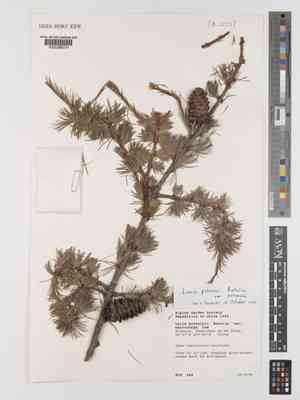
The Chinese larch, recognized for its shedding needle-like foliage and conical shape, thrives with trimming performed in early spring or late winter. Concentrate on eliminating deceased, injured, or ailing branches to foster robust development. Reduce density in congested zones to enhance air movement and light exposure. Consistent shaping encourages a sturdy framework and diminishes the likelihood of pest outbreaks. These methods guarantee the Chinese larch retains its aesthetic appeal and supports energetic growth.
What Are the Benefits of Pruning Chinese Larch?
What Are the Benefits of Pruning Chinese Larch?
Trimming chinese larch promotes vigorous growth by eliminating dead or weak limbs, improving light penetration and air circulation. It helps maintain the plant's form, prevents illness, and assists in managing its size for a well-kept appearance.
What Is the Best Time for Pruning Chinese Larch?
What Is the Best Time for Pruning Chinese Larch?
Pruning chinese larch in late winter or early spring is considered ideal as it coincides with the plant's dormant period, reducing stress and minimizing sap loss. During dormancy, chinese larch conserves energy, making it less vulnerable to pests and diseases. Pruning at these times also ensures the plant has a full growing season to recover and flourish, encouraging healthy new growth. Additionally, this timing avoids disrupting chinese larch's growth cycle and lessens the chance of removing new buds, which can impact its flowering and overall structure.
What Tools Do I Need to Prune Chinese Larch?
Hand Pruners
Hand pruners, specifically bypass pruners, are effective for trimming small branches and shoots up to 1 inch in diameter. They allow for precise cuts which are crucial to maintaining the desired shape and health of chinese larch.
Lopping Shears
Lopping shears are essential for pruning thicker branches up to 2 inches in diameter. The long handles provide greater leverage, making it easier to cut through tougher wood that chinese larch can develop.
Pruning Saw
A folding pruning saw is necessary for branches thicker than 2 inches. These saws can handle larger limbs typical of mature chinese larch and make clean cuts, reducing the risk of damaging the tree.
Pole Pruner
A pole pruner equips gardeners to reach higher branches without needing a ladder, ensuring safety while pruning tall chinese larch. This tool is particularly useful given the height that chinese larch can achieve.
How to Prune Chinese Larch
Inspection
Examine chinese larch thoroughly to identify dead and diseased branches. Look for branches that lack leaves, have discolored bark, or show signs of decay or mold.
Tools Sterilization
Sterilize pruning tools with a solution of one part bleach to nine parts water or use alcohol wipes. This prevents the spread of disease between plants.
Remove Dead Branches
Cut away dead branches back to the living wood. Make clean cuts just outside the branch collar to avoid damaging healthy tissue.
Remove Diseased Branches
Prune diseased branches. Cut well into healthy wood, at least 6-12 inches below the affected area, to ensure all diseased tissue is removed.
Disposal
Dispose of removed branches properly. Do not compost them as diseased material can spread pathogens. Instead, bag and discard in the trash or burn if allowed.
Common Pruning Mistakes with Chinese Larch
Over-pruning
Removing too much foliage at once can stress chinese larch and inhibit its growth. This mistake is especially common among gardeners attempting to reshape the plant drastically or remove a large number of branches simultaneously.
Improper cutting technique
Using dull or inappropriate tools can damage the branches, leading to jagged cuts that are more susceptible to disease and pests. Always use sharp, clean pruning shears.
Pruning too close to the trunk
Cutting too close to the trunk removes the branch collar, which is integral for healing. This can leave the tree vulnerable to infections.
Pruning at the wrong time
Chinese larch responds poorly to pruning during its dormant phase. Pruning at this time can disrupt its growth cycle and cause more harm than good.
Ignoring dead or diseased wood
Failing to remove dead or diseased branches can allow diseases to spread throughout the tree, compromising its overall health.
Common Pruning Tips for Chinese Larch
Use proper tools
Invest in quality, sharp pruning shears and saws to make clean cuts. Sterilize tools between uses to prevent the spread of disease.
Follow the three-cut method
For larger branches, use the three-cut method to avoid stripping bark down the side of the tree. Make an initial undercut several inches away from the trunk, followed by a top cut through the branch. Finally, remove the stub with a clean cut close to the trunk.
Focus on dead, damaged, and diseased wood
Prioritize removing any dead, damaged, or diseased branches to maintain the treeâs health. This encourages robust growth and helps prevent the spread of pathogens.
Maintain the shape
Prune to maintain the natural shape of chinese larch, making selective cuts to promote an open canopy that encourages good air circulation and sunlight penetration.
Spacing and thinning
Thin out crowded branches to allow light and air to reach the interior of the tree. This encourages healthy growth and reduces the risk of fungal infections.
Cut at the right angle
Make cuts at a slight angle to allow water to run off easily, which prevents water from pooling and causing rot at the cut site.



