How to Prune Japanese larch?
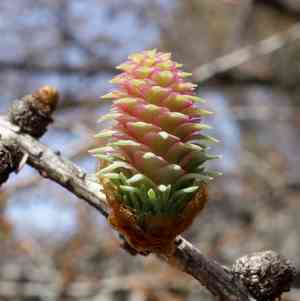
This shedding conifer, valued for its slender foliage and conical structure, thrives with trimming in late winter or early spring prior to the emergence of new shoots. For japanese larch, strategic pruning sculpts its outline, manages its dimensions, and sustains its well-being. Thinning cuts enhance air movement and light exposure, which are vital for preventing ailments. Refrain from severe pruning; instead, judiciously eliminate deceased wood, congested limbs, and unwanted development. Proper timing and method guarantee robust development and elevate its aesthetic appeal.
Advantages of Trimming Japanese Larch
Advantages of Trimming Japanese Larch
Trimming japanese larch encourages robust new growth, ensuring a strong framework. It helps maintain the desired form for aesthetic appeal and compatibility with landscape design.
Optimal Time for Trimming Japanese Larch
Optimal Time for Trimming Japanese Larch
The best periods for trimming japanese larch are late winter and early spring. During this time, japanese larch is still dormant, which is ideal for pruning as it minimizes sap loss and stress on the plant. Pruning before growth begins helps ensure quick healing of cuts, and new growth will soon follow, preserving the health and structure of japanese larch. Additionally, it's easier to see the branch structure without leaves, aiding in more precise cuts. Avoid trimming japanese larch in late spring or early summer, as pruning during active growth can lead to excessive sap flow and weaken the plant.
Required Tools for Trimming Japanese Larch
Hand Pruners
Perfect for making clean cuts on smaller branches of japanese larch, allowing for precise control and minimal plant damage.
Loppers
Due to japanese larch's larger branches, loppers provide the necessary leverage for clean cuts on branches too thick for hand pruners.
Pruning Saw
For the largest branches of japanese larch, a pruning saw is essential for clean cuts without tearing or damaging the branch structure.
Pole Pruner
Japanese larch can grow quite tall, and a pole pruner will be necessary to reach higher branches without a ladder, making the pruning process safer.
How to Trim Japanese Larch
Identify
Thoroughly inspect japanese larch to locate dead or diseased branches, identifiable by discolored, brittle, or decaying wood.
Sterilize
Before starting to trim japanese larch, disinfect pruning tools with a solution like isopropyl alcohol to prevent spreading infections.
Cut
Cut dead or diseased branches of japanese larch at their junction with healthy wood, ensuring sharp tools for a clean cut that the tree can heal quickly from.
Angle
Make cuts at a slight angle away from the bud to promote water runoff and prevent decay on japanese larch's remaining branches.
Clean
After trimming japanese larch, remove all cut debris from the area to prevent lingering or spreading diseases.
Common Trimming Errors with Japanese Larch
Over-trimming
Removing too much foliage from japanese larch can weaken the plant and reduce its vigor. Aim to trim no more than one-fourth to one-third of the total canopy at a time.
Incorrect cuts
Making cuts too far from the branch collar or leaving stubs can attract pests and diseases. Trim just outside the branch collar for optimal healing.
Ignoring deadwood
Failing to remove dead or diseased branches can compromise the health of japanese larch. These should be trimmed out to maintain plant health.
Trimming for shape only
Focusing solely on shaping japanese larch and disregarding the plant's natural growth pattern can result in a less healthy specimen. Understand its growth habits before making cuts.
Tool misuse
Using dull or dirty tools can damage the branches of japanese larch and introduce disease. Always use sharp, clean pruning shears or saws.
General Trimming Advice for Japanese Larch
Trimming objectives
Establish clear goals before trimming japanese larch, such as removing dead wood, improving structure, or maintaining health.
Natural form
Respect the natural shape of japanese larch when trimming. Aim to enhance its inherent form rather than force it into an unnatural shape.
Selective thinning
Practice selective thinning to remove crowded branches and allow light and air to penetrate the canopy, promoting healthy growth in japanese larch.
Cutting technique
Utilize proper cutting methods by making slanting cuts away from the bud to encourage water runoff and prevent disease in japanese larch.
Branch removal
Remove larger branches in stages to prevent tearing the bark of japanese larch. Support the branch's weight as you cut to avoid damaging the plant.



