How to Prune Trailing lantana?
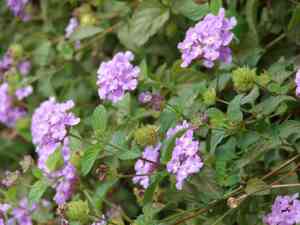
This perennial, low-growing variety flourishes in abundant sunlight and heat, recognized for its vivid blossoms and expansive growth pattern. The most effective time for trimming trailing lantana is in early spring or during winter to encourage development, preserve its form, and manage its expansion. Utilize targeted thinning and eliminate any deceased or frail stems to improve air movement and light exposure. Trimming fosters lush foliage and more abundant flowering, which is crucial for this rapidly growing plant to avert sparse growth and aggressive spreading.
What Are the Benefits of Pruning Trailing Lantana?
What Are the Benefits of Pruning Trailing Lantana?
Trimming trailing lantana promotes abundant flowering and deters pests and diseases, maintaining plant vitality and aesthetic appeal.
What Is the Best Time for Pruning Trailing Lantana?
What Is the Best Time for Pruning Trailing Lantana?
Trimming trailing lantana in early spring is optimal as it aligns with the end of dormancy, just before new growth emerges. This timing allows for shaping and removal of winter cold damage, without hindering the upcoming growth and bloom cycle. Trailing lantana typically responds well to pruning by producing vigorous growth, leading to lush foliage and numerous flowers during the growing season. Winter can also be a suitable time for pruning, especially in milder climates where the plant doesn't fully go dormant. During winter, light trimming can maintain the shape of trailing lantana and prevent it from becoming leggy or overgrown, though heavy pruning should be avoided if frost is a risk, to protect new growth.
What Tools Do I Need to Prune Trailing Lantana?
Hand Pruners
For the smaller stems and detailed work on trailing lantana, hand pruners (also known as secateurs) are essential. They enable precise cuts and can manage the thin, somewhat woody stems of this species.
Pruning Shears
Trailing lantana can grow quite dense, and for shaping and thinning the plant, a good pair of pruning shears can make clean cuts without harming the plant. They are perfect for removing larger sections and shaping the plant.
Pruning Saw
Occasionally, if trailing lantana has developed some thicker, mature branches, a pruning saw might be necessary. This tool will help remove these branches cleanly and efficiently without damaging the younger, more flexible growth.
How to Prune Trailing Lantana
Step1: Assessing and Deadheading
Examine trailing lantana to find dead flowers and withered branches. Deadheading, or removing spent blooms, encourages new growth and more flowers. Identify branches that no longer produce foliage or flowers, as these may be dead or wilting.
Step2: Tool Sterilization
Sanitize your pruning tools before starting to prevent disease spread. Use a solution of one part bleach to nine parts water to sterilize your shears, and let them air dry.
Step3: Snipping Spent Flowers
Begin with dead flowers. Using your clean shears, snip the flower stems just above the first set of healthy leaves. Be careful not to cut the new buds that may be developing near the spent flowers.
Step4: Pruning Wilted Branches
Trim wilted branches by cutting them back to their origin on the main stem or where they branch off from a healthy branch. Ensure each cut is clean and angled away from the nearest bud to encourage outward new growth.
Step5: Shaping the Plant
Shape trailing lantana by selectively trimming overgrown areas. Maintain the trailing habit of trailing lantana by cutting back branches evenly to enhance its natural form without over-pruning.
Step6: Debris Disposal
Remove all clippings and debris from the area to prevent disease and keep the garden tidy. Dispose of the plant material in a compost bin if it shows no signs of disease.
Step7: Post-pruning Watering
Water trailing lantana after pruning to help it recover from the stress of being trimmed. Ensure the soil is moist but not waterlogged, promoting healthy root growth.
Step8: Monitoring New Growth
Monitor trailing lantana for new growth. Continued care, including regular watering, feeding, and pruning, will keep trailing lantana thriving and producing abundant blooms.
Post-Pruning Care for Trailing Lantana
Post-Pruning Care for Trailing Lantana
After trimming trailing lantana, water thoroughly to reduce stress and aid healing. Position the plant in an area with partial to full sun exposure, ensuring the environment isn't excessively hot or cold, ideally between 60-70°F (15-21°C) with moderate humidity. Apply a balanced, slow-release fertilizer to nourish trailing lantana as it recovers. Regularly inspect the pruned areas for any discoloration or wilting, indicating stress or potential infection. If symptoms appear, reduce watering and ensure good air circulation to prevent fungal growth. Trim away any infected sections with sterilized equipment.
Common Pruning Mistakes with Trailing Lantana
Over-Pruning Can Stress Plants
Trimming too aggressively, removing large portions of trailing lantana at once, which can stress the plant and reduce flowering.
Improper Cuts on Woody Stems Hinder Growth
Cutting into woody, older stems without leaving any new growth can impede rejuvenation, as trailing lantana blooms on new wood.
Unsterilized Tools Spread Disease
Failing to sterilize tools before use, potentially spreading disease between plants.
Common Pruning Tips for Trailing Lantana
Shape and Dense Growth Through Regular Trimming
Regularly trim trailing lantana to maintain its shape and encourage denser foliage. Snip off a few inches of the tips, focusing on new, soft growth.
Immediate Removal of Unhealthy Stems for Plant Health
Remove dead or diseased stems immediately to promote healthy growth and prevent the spread of disease within trailing lantana.
Thinning Crowded Areas Prevents Fungal Diseases
Thin out crowded growth areas to improve air circulation, which helps prevent fungal diseases commonly affecting trailing lantana.



