How to Prune Common lantana?
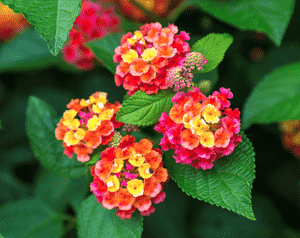
Recognized for its vivid floral groupings and robust development, Lantana camara necessitates consistent trimming to preserve its form and stimulate blossoming. For peak outcomes, perform pruning in early spring or during winter, reducing the plant by one-third to foster fresh growth and amplify flowering. Eliminate any dead branches and thin out densely packed sections to avert ailments. Trimming Lantana camara encourages new shoots, resulting in a more condensed, bloom-rich specimen. Precise timing is essential to prevent the removal of emerging flower buds.
What Are the Benefits of Pruning Common Lantana?
What Are the Benefits of Pruning Common Lantana?
Trimming common lantana promotes abundant blooms and aids in preventing pests and diseases, thereby enhancing the plant's vitality and visual appeal.
What Is the Best Time for Pruning Common Lantana?
What Is the Best Time for Pruning Common Lantana?
Early spring is optimal as common lantana enters active growth after winter dormancy. Pruning then stimulates new development, shapes the plant, and maintains its size. Removing old or dead wood at this time also improves air flow and lessens disease risk. Winter pruning is good because common lantana is dormant, reducing plant stress. This timing allows for major structural changes, letting common lantana focus energy on healing and regrowth as the growing season begins.
What Tools Do I Need to Prune Common Lantana?
Hand Pruners
Perfect for making precise cuts on common lantana's thinner stems and branches, typically suitable for diameters up to 3/4 inches.
Lopping Shears
Useful for cutting through thicker branches of common lantana's growth, generally suitable for branches between 3/4 inches and 2 inches in diameter.
Pruning Saw
Essential for removing the oldest and thickest branches of common lantana, especially when they exceed 2 inches in diameter.
Hedge Shears
Effective for shaping common lantana and for clipping numerous small stems simultaneously during formal hedge trimming.
Gloves
Protective wear is important to avoid scratches and reactions from common lantana's potential skin irritants.
How to Prune Common Lantana
Step1: Gloves On, Sterilize Tools
Wear gardening gloves for protection, and use sanitized, sharp pruning shears or scissors to prevent disease spread to common lantana.
Step2: Remove Dead Flowers
Start by finding dead flowers on common lantana. These are usually brown, spent blooms. Carefully snip off the flower heads at the base of the bloom, just above the first set of healthy leaves.
Step3: Cut Overgrown Branches at 45-Degree Angle
To manage overgrown branches, identify those longer than common lantana's desired shape and size. Make cuts at a 45-degree angle, about 1/4 inch above a leaf node or branching point to encourage new growth.
Step4: Trim Yellow Leaves at Base
When removing yellow leaves, which may signal age or stress, cut them cleanly where the leaf stem meets the main branch. Avoid tearing leaves, as this can harm common lantana.
Step5: Shape Plant, Cut Above Nodes
After removing dead flowers, overgrown branches, and yellow leaves, step back to assess common lantana's overall shape. Shape the plant by cutting back additional areas as needed to maintain a balanced form. Aim to make cuts just above nodes where new growth is desired.
Step6: Thin Dense Growth for Air and Light
Thin out dense growth to allow air and light to penetrate common lantana, promoting healthier foliage and blooms. Remove any inward-growing branches or those that cross and rub against other branches.
Step7: Clear Cuttings to Prevent Disease
Once pruning is finished, clear away all cuttings from around common lantana to reduce the risk of disease and pest infestation.
Step8: Water and Fertilize after Pruning
Water common lantana deeply to help it recover from pruning stress and to encourage new growth. Apply a balanced, slow-release fertilizer if new growth is desired soon after pruning.
Step9: Monitor and Repeat Pruning as Needed
Continue to monitor common lantana for additional dead flowers, overgrown branches, and yellow leaves, and repeat these pruning steps as necessary to maintain plant health and aesthetics.
Post-Pruning Care for Common Lantana
Post-Pruning Care for Common Lantana
Immediately after pruning, common lantana needs thorough watering to lessen stress. Maintain an environment with ample sunlight, balanced humidity, and moderate temperatures to encourage strong growth. Timely application of balanced fertilizer aids recovery, boosting nutrient availability. Regularly check for wilting, discoloration, or infection signs, acting promptly with suitable treatments. This vigilance ensures common lantana's quick return to health post-pruning.
Common Pruning Mistakes with Common Lantana
Over-Pruning at Once Stresses Plants
Removing too much growth in a single pruning session, which can stress common lantana and lead to poor plant health or reduced blooming.
Unsterilized Tools Spread Disease
Failing to sterilize pruning tools before use, risking the spread of disease between plants.
Ignoring Plant's Natural Shape in Pruning
Pruning without considering common lantana's natural form, which might result in an unnatural-looking plant or compromised plant structure.
Not Removing Dead or Diseased Wood
Neglecting to remove dead or diseased wood, which can hinder new growth and potentially harm the plant.
Imprecise Cuts Damage Plants
Making imprecise cuts, which could damage stems and leaves and make common lantana more susceptible to pests and diseases.
Common Pruning Tips for Common Lantana
Clean Cuts at 45-Degree Angle for Regrowth
Make clean cuts at a 45-degree angle just above a leaf node or set of leaves to promote healthy regrowth in common lantana.
Thin Dense Areas to Boost Air and Light
Thin out dense areas to improve air circulation and light penetration, which can increase flowering and reduce the risk of diseases in common lantana.
Trim Branch Tips to Encourage Bushiness
Regularly snip back tips of the branches to encourage bushiness and more blooms.
Remove Crossing Interior Branches for Strong Structure
Focus on removing interior branches that are crossing or rubbing against each other to maintain a strong framework for common lantana.
Cut Back Leggy Branches for Rejuvenation
Cut back leggy branches to a third of their length to rejuvenate growth and maintain an attractive shape in common lantana.
Fertilize After Pruning for Recovery and Growth
After pruning, apply a balanced fertilizer to support recovery and new growth in common lantana.



