How to Prune Bleeding heart?
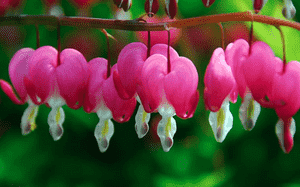
A consistently popular choice for shaded landscapes, bleeding heart is celebrated for its cordate blossoms and gracefully curved stalks. Trimming ought to happen post-bloom to foster a neat structure and robust development. The ideal period is early spring or late autumn, steering clear of winter to avert plant decline. Advantages encompass stimulating lush leaves and superior flowering in the subsequent year. Eliminate withered leaves prior to winter and shorten any elongated or faded stems to preserve an appealing plant silhouette.
What Are the Benefits of Pruning Bleeding Heart?
What Are the Benefits of Pruning Bleeding Heart?
Trimming bleeding heart promotes abundant blooms, revitalizes growth, and maintains a tidy, compact shape, essential for its decorative appeal and garden beauty.
What Is the Best Time for Pruning Bleeding Heart?
What Is the Best Time for Pruning Bleeding Heart?
Pruning in late winter to early spring allows gardeners to remove any dead or damaged leaves from bleeding heart without harming new growth, as the plant is still inactive. This timing helps foster robust new shoots in the upcoming growing season. After bleeding heart has flowered, typically by late spring to early summer, it's wise to trim or deadhead faded blossoms to keep a neat look and possibly encourage a second, though less profuse, bloom. Pruning during the active growth period or in late fall is not advised as it can weaken bleeding heart before dormancy and reduce its resilience against winter conditions.
What Tools Do I Need to Prune Bleeding Heart?
Hand Pruners
Perfect for shaping and trimming bleeding heart, as they provide precise cuts and can handle the plant's delicate stems without causing unnecessary harm.
Pruning Snips
These are ideal for deadheading and snipping small, slender stems of bleeding heart, making accurate cuts to maintain the plant's appearance and vitality.
Garden Scissors
Suitable for light trimming of bleeding heart's foliage and can be used for cutting back the plant at the close of the growing season.
How to Prune Bleeding Heart
Step1: Assess Plant for Pruning
Examine your bleeding heart and identify overgrown stems, spent flowers, and damaged stems that need trimming. This should be done after blooming, typically in late spring or early summer.
Step2: Sanitize Pruning Tools
Disinfect your pruning shears with rubbing alcohol or a bleach solution to prevent the spread of disease.
Step3: Remove Damaged Stems
Begin by removing all damaged stems. Cut these back to the plant's base, using a clean, diagonal cut just above a leaf node or set of leaves.
Step4: Prune Old Flowers
Next, prune the old flowers by cutting them off at the base of the stalk. Ensure you remove only the flower stalk and not the leaves, as the foliage is vital for photosynthesis which nourishes the plant.
Step5: Trim Overgrown Stems
Address overgrown stems to maintain the plant's shape and size. Trim these stems back by approximately one-third to one-half their length, making sure to cut at a 45-degree angle just above a healthy leaf or bud to encourage new growth.
Step6: Thin Out and Improve Airflow
Thin out the bleeding heart by selectively removing some of the inner stems. This increases air circulation, which can help prevent fungal disease and encourages the remaining stems to produce larger, healthier blooms.
Step7: Clean Up Pruning Debris
After pruning, clear away any fallen debris around the bleeding heart to reduce the chance of disease and pests.
Step8: Water the Plant Post-Pruning
Water the base of the bleeding heart thoroughly after pruning, as this will help it recover and settle in after the loss of growth. Avoid overhead watering to prevent fungal issues.
Step9: Fertilize for Regrowth
Apply a balanced, slow-release fertilizer to provide essential nutrients and promote healthy regrowth in the following growing season. Follow the manufacturer's instructions for proper dosage.
Step10: Monitor and Repeat Pruning
Monitor the bleeding heart for new growth and additional pruning needs. Repeat these steps as necessary to maintain the plant's health and appearance.
Post-Pruning Care for Bleeding Heart
Post-Pruning Care for Bleeding Heart
After trimming bleeding heart, ensure immediate hydration to aid recovery. Place the plant in a spot with dappled sunlight; excessive sun can stress the recovering foliage. Maintain moderate humidity and cooler temperatures to encourage new growth. Apply a balanced, slow-release fertilizer to supply essential nutrients. Regularly inspect bleeding heart for signs of stress, such as discolored leaves or wilting, and signs of infection like unusual spotting. Should any issues arise, treat promptly with appropriate fungicides or pest control measures and adjust care conditions accordingly.
Common Pruning Mistakes with Bleeding Heart
Avoid Over-pruning and Damaging the Woody Base
Excessive pruning which can lead to a weakened bleeding heart, reducing its ability to thrive. This particularly applies to cutting into the older woody base of the plant that rarely produces new shoots.
Don't Prune Healthy Stems in Growing Season
Trimming live, healthy stems during the growing season which can limit flower production. Bleeding heart's flower on old wood, and removing too much can significantly impact blooming.
Remove Spent Flowers and Dead Foliage Promptly
Neglecting to remove faded flowers or dead foliage, which can leave bleeding heart vulnerable to diseases and pests. This also detracts from the plant's aesthetic.
Use Clean and Sharp Tools to Prevent Disease
Using dirty or dull tools, potentially introducing disease to the bleeding heart or causing unnecessary damage by ragged cuts.
Common Pruning Tips for Bleeding Heart
Prune Spent Blooms and Dead Foliage Post-Flowering
After flowering, focus on removing only the faded blooms and dead foliage to maintain aesthetics and prevent self-seeding if not desired.
Cut Back Dead Leaves to Base During Growth
When dealing with yellowing or dead leaves during the growing season, cut these parts back to the base to encourage healthy growth and improve air circulation around bleeding heart.
Maintain Clean, Sharp Tools for Healthy Cuts
Ensure that pruning tools are clean and sharp to make clean cuts that bleeding heart can easily heal from, reducing the risk of disease.
Minimize Pruning in Dormancy, Remove Only Damaged Parts
During inactive periods, minimal pruning is ideal. Remove only the dead and diseased parts of bleeding heart to keep the plant healthy without stimulating new growth at the wrong time.
Wear Gloves to Protect Skin from Irritant Sap
It's wise for gardeners to wear gloves while pruning bleeding heart, as the sap can be an irritant to some people's skin.



