How to Prune Crepe myrtle?
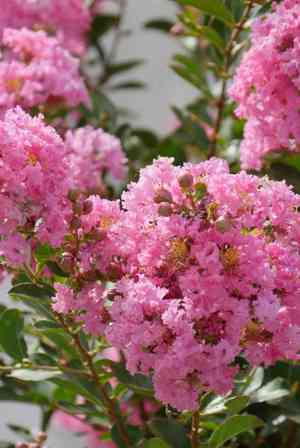
Crepe myrtle, known for its stunning blossoms and shedding bark, flourishes when given suitable trims that boost its flowering and preserve its form. Perform pruning in the latter part of winter or early spring, prior to the emergence of new shoots. Eliminate faded flowers, thin out congested branches, and trim back to a bud oriented toward the preferred growth direction. This trimming practice enhances flowering and encourages robustness. Refrain from "topping" the plant, as this can compromise its structural integrity and visual attractiveness.
What Are the Benefits of Pruning Crepe Myrtle?
What Are the Benefits of Pruning Crepe Myrtle?
Trimming crepe myrtle promotes abundant blossoms and boosts its resilience against pests and diseases, resulting in a more robust and vibrant specimen.
What Is the Best Time for Pruning Crepe Myrtle?
What Is the Best Time for Pruning Crepe Myrtle?
Trimming in early spring allows for the removal of any winter damage before new growth emerges, ensuring the plant retains its desired form and vitality. Winter pruning is advantageous as crepe myrtle is dormant then, reducing plant stress and enhancing bloom performance for the upcoming season.
What Tools Do I Need to Prune Crepe Myrtle?
Hand Pruners
Perfect for snipping small twigs and branches on crepe myrtle. The bypass type is recommended for clean cuts that encourage healthy regrowth.
Loppers
Suitable for cutting thicker branches that hand pruners cannot manage. They offer leverage and reach for branches up to 1.5-2 inches in diameter.
Pruning Saw
Essential for removing large branches from mature crepe myrtle specimens. Their serrated blades facilitate clean cuts through wood without harming the plant.
Pole Pruner
Useful for reaching higher branches without needing a ladder. Crepe myrtle can grow quite tall, and a pole pruner will enable safe trimming from the ground.
Hedge Shears
Appropriate for shaping and maintaining the form of crepe myrtle if cultivated as a hedge. This tool allows for even, horizontal or vertical cuts.
Gloves
Protection for the gardener's hands from thorns and rough bark while trimming crepe myrtle.
Sharpening Tool
To keep all trimming tools sharp, ensuring clean cuts that aid quick healing for crepe myrtle.
How to Prune Crepe Myrtle
Step1: Sanitize Pruning Equipment
Sanitize your trimming tools. Sterilize your pruning shears, loppers, and saws with a solution of 1 part bleach to 9 parts water to prevent disease spread.
Step2: Assess Plant Health and Structure
Evaluate crepe myrtle for overall health and structure before trimming. Identify which limbs contain dead wood, old flowers, and which lower limbs require trimming for clearance or improved shape.
Step3: Prune During Dormant Season
Begin trimming crepe myrtle in late winter or early spring before new growth starts. This will prevent the tree from being susceptible to disease during its dormant period and ensure wounds heal with the onset of growth.
Step4: Remove Dead Branches
Remove any dead wood first. Cut dead branches back to the point of healthy wood. Use pruning shears for smaller branches and a saw for larger limbs. Make cuts at a 45-degree angle just above a bud or branching point to promote healthy regrowth.
Step5: Deadhead Spent Flowers
Trim old flowers to stimulate crepe myrtle to produce new blooms. Snip the spent flower clusters above the first set of strong, healthy leaves using pruning shears. This process is often called 'deadheading'.
Step6: Trim Obstructive Lower Limbs
Trim lower limbs of crepe myrtle that interfere with walkways or obstruct views. Cut back to the branch collar, which is the swelling at the base of the branch, without cutting into the collar itself to promote proper healing.
Step7: Thin Branches for Light and Air
Shape crepe myrtle by selectively thinning out branches to improve light penetration and air circulation. Cut back no more than one-third of the branches to maintain a natural shape and avoid 'topping' the tree, which can cause stress and unsightly growth.
Step8: Cleanup Pruning Debris
Clean up all debris and fallen leaves after trimming to prevent the spread of disease and to keep the area tidy. This organic material can be composted if appropriately broken down.
Step9: Monitor Plant Recovery
Monitor crepe myrtle post-trimming for signs of stress or disease. Provide water and fertilizer as needed to support recovery and vigorous new growth in the growing season.
Post-Pruning Care for Crepe Myrtle
Post-Pruning Care for Crepe Myrtle
Immediately after trimming, place crepe myrtle in a well-lit area avoiding direct harsh sunlight. Maintain moderate humidity and temperature to reduce stress. Apply balanced, slow-release fertilizer to fuel recovery and growth. Water consistently but avoid overwatering. Monitor crepe myrtle for discolored leaves or wounds, which indicate stress or potential infection. If signs persist, adjust care or consult a specialist. By providing optimal conditions and vigilant care, crepe myrtle should thrive post-trimming.
Common Pruning Mistakes with Crepe Myrtle
Over-pruning Main Branches Stresses Plants
Excessively trimming the main branches, which can stress crepe myrtle and reduce blooming potential.
Tipping Leads to Bushier Growth, Less Blooms
Snipping only the tips of branches (also known as 'tipping'), which can lead to a bushier plant but fewer blooms.
Improper Cuts May Cause Disease or Pests
Making incorrect cuts that can lead to disease or pest infestation, such as stub cuts or leaving too long a stub on branches.
Neglecting to Remove Spent Flowers Reduces Blooms
Not removing spent flowers or seed heads, potentially decreasing the next season's bloom quantity and quality.
Unsterilized Tools Spread Disease
Trimming without first sterilizing the tools, risking the spread of disease to crepe myrtle.
Disregarding Plant's Natural Shape When Pruning
Ignoring the natural shape of crepe myrtle when trimming, leading to an unnatural appearance and potential harm to the plant's structure.
Common Pruning Tips for Crepe Myrtle
Prune with Clean, Angled Cuts Above Buds
Make clean cuts at a 45-degree angle just above outward-facing buds to encourage open growth and good air circulation.
Thin Crowded Branches for Better Sunlight and Air
Thin out crowded branches to prevent mildew and to allow sunlight to reach the inner sections of crepe myrtle, promoting a healthier and more vigorous plant.
First Remove Dead or Diseased Wood
Remove any dead or diseased wood first to improve plant health and aesthetic appeal.
Prune Suckers and Unwanted Branches to Focus Nutrients
Trim away suckers from the base and any unwanted branches to direct more nutrients to the main blooms.
Cut Back to Lateral Branch for Natural Shape
When reducing the height of crepe myrtle, cut back to a strong lateral branch to maintain a natural shape.
Fertilize After Pruning to Promote Growth and Blooms
After trimming, apply a balanced fertilizer to encourage growth and improve flowering performance in the upcoming season.



