How to Prune Golden chain tree?
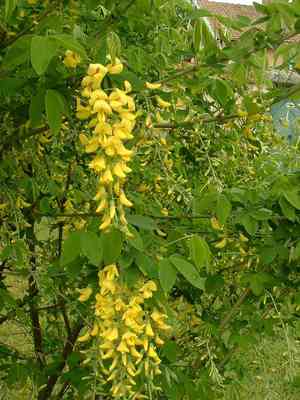
Recognized for its drooping clusters of brilliant yellow blossoms, the golden chain tree requires careful trimming to preserve its form and foster flowering. Being a deciduous species, the ideal times for pruning are late winter or early spring, right before fresh development begins. Essential methods involve reducing older limbs, shortening elongated stalks, and eliminating any lifeless or ailing timber. Pruning revitalizes the golden chain tree, promoting vigorous development and guaranteeing an impressive floral exhibition. Particular attention must be paid to safely discard cuttings because of the plant's poisonous properties.
What Are the Benefits of Pruning Golden Chain Tree?
What Are the Benefits of Pruning Golden Chain Tree?
Trimming golden chain tree encourages development and preserves its attractive form. Regular cutting promotes more vigorous growth, ensuring the tree stays compact and well-proportioned.
What Is the Best Time for Pruning Golden Chain Tree?
What Is the Best Time for Pruning Golden Chain Tree?
These periods are ideal because pruning at this time allows golden chain tree to recover from cuts before the start of its active growth phase. In late winter, the plant is dormant, which reduces stress and the risk of disease entering pruning wounds. Early spring pruning, after the last severe frost but before significant new growth begins, ensures the tree's energy is directed towards healing and producing fresh, healthy shoots. Furthermore, since golden chain tree flowers on old wood, pruning after the blooming season removes spent blossoms and encourages the formation of next year's buds.
What Tools Do I Need to Prune Golden Chain Tree?
Bypass Pruners
Perfect for making clean cuts on the smaller branches of the golden chain tree, crucial for fostering healthy growth and maintaining the tree's shape.
Loppers
Offer greater leverage and extended reach for cutting thicker branches up to 1.5 inches in diameter; suitable for addressing limbs of golden chain tree that cannot be managed with bypass pruners.
Pruning Saw
Essential for handling larger limbs exceeding 1.5 inches in diameter; a pruning saw helps to cleanly remove bigger branches without harming the golden chain tree.
Pole Pruner
Useful for reaching higher branches of the golden chain tree without needing a ladder, ensuring safe pruning from ground level.
Hedge Shears
Effective for shaping and trimming the thinner, more delicate foliage of golden chain tree, allowing for a more controlled and uniform appearance.
Pruning Gloves
Provide protection for the gardener's hands from thorns and sharp branches while pruning golden chain tree, vital for personal safety.
Clean Cloth and Disinfectant
To clean and sanitize the blades of pruning tools between cuts to prevent the spread of disease in golden chain tree.
Step Ladder
For safety when pruning elevated branches that are out of normal reach, ensuring stability and access for proper care of the golden chain tree.
How to Prune Golden Chain Tree
Step1: Identifying Unhealthy Plant Sections
Thoroughly inspect golden chain tree to pinpoint all dead wood, diseased limbs, and damaged branches. These are the parts of the plant that will be targeted for removal.
Step2: Preparing Clean and Sharp Pruning Tools
Ensure all pruning tools are clean and sharp to prevent disease transmission and to make precise cuts that golden chain tree can heal from quickly.
Step3: Removing Dead Wood
Start by eliminating any dead wood. Cut dead branches back to the point where healthy, living tissue is present. Make the cut just above a lateral branch or bud, ensuring the cut is clean and angled away from the bud to allow water to drain.
Step4: Eliminating Diseased Limbs
Address diseased limbs next. Remove any branches showing signs of illness, cutting back to healthy wood. If the disease is widespread, it may be necessary to remove entire limbs. Always cut at least several inches below the diseased tissue to ensure all affected material is gone.
Step5: Pruning Damaged Branches
Trim damaged branches that have been broken or compromised. Similar to dead wood, cut back to a point of healthy tissue. If the damaged branch is large, use the three-cut method to prevent bark tearing: a notch cut on the underside of the branch, a relief cut further out, and then a final cut at the branch collar, which is the swelling where the branch joins the trunk.
Step6: Improving Plant Structure
After removing dead, diseased, and damaged wood, step back to assess the shape of golden chain tree. Remove any branches that cross and rub against each other, which can cause wounds and entry points for disease.
Step7: Correct Pruning Cut Technique
Always make pruning cuts just outside the branch collar without leaving a stub. This location is crucial as it is where golden chain tree has cells to properly close the wound.
Step8: Disposing of Pruned Material
Discard all removed material responsibly. Diseased limbs should be destroyed or disposed of away from golden chain tree and other plants to prevent spreading pathogens.
Step9: Cleaning Tools Post-Pruning
Sanitize all pruning tools after use with a solution of one part bleach to nine parts water to prevent transmitting any diseases to other plants or in future pruning sessions for golden chain tree.
Step10: Monitoring Plant Health Post-Pruning
Monitor golden chain tree after pruning for signs of disease or distress. Pruning can sometimes stress a plant, so ensure golden chain tree is well-watered and not under additional stress from drought or pests.
Post-Pruning Care for Golden Chain Tree
Post-Pruning Care for Golden Chain Tree
Immediately after trimming golden chain tree, ensure clean cuts to aid healing. Manage light exposure by placing golden chain tree in partial shade to avoid scorch. Maintain consistent humidity and avoid temperature extremes. Apply a balanced fertilizer to promote recovery; be cautious not to over-fertilize. Regularly inspect for stress signals, such as wilted leaves or discoloration, and signs of infection like oozing cuts. If detected, apply appropriate fungicides or insecticides. These steps will support golden chain tree's healthy regrowth.
Common Pruning Mistakes with Golden Chain Tree
Avoiding excessive canopy removal in pruning
Over-pruning, which can significantly stress golden chain tree and potentially lead to poor growth or reduced flowering; removing more than one-third of the canopy in a single season is typically ill-advised.
Preventing pruning damage to healing tissue
Pruning too close to the main stems or 'collar' which can damage the healing tissue and may result in infections or decay.
Removing dead and diseased wood regularly
Neglecting to remove dead, diseased, or damaged wood which can limit the plant's vigor and become entry points for pests and diseases.
Using sharp and clean pruning tools
Using dull or unclean tools that make rough cuts, damage the tissues of golden chain tree, and introduce pathogens.
Respecting the natural form when pruning
Ignoring the natural shape of golden chain tree during pruning, which can lead to an unnatural appearance and potentially harm the plant's structure and health.
Common Pruning Tips for Golden Chain Tree
Ensure sharp, clean cuts with proper tools
Use sharp, clean pruning tools to make clean cuts that heal quickly and minimize stress on golden chain tree.
Selective pruning for plant health
Focus on selective pruning to maintain a strong framework, removing only dead, weak, or crossing branches to promote good air circulation and light penetration.
Correct angle and positioning of pruning cuts
When shortening branches, make cuts at a slight angle, just above a bud facing the exterior of the plant to encourage outwards growth.
Thinning over shearing for a natural structure
Thinning out the canopy rather than shearing encourages golden chain tree to develop a more natural and healthier structure.
Using the three-cut method on larger branches
When removing larger branches, use the three-cut method to prevent bark tearing: first undercut the branch, then cut through it from the top a bit further out, and finally make a clean cut near the collar.
Prune to enhance plant's natural cascading shape
Prune to accentuate the cascading shape of golden chain tree, which can highlight the drooping clusters of yellow flowers that inspired its common name.
Tool disinfection post-pruning to prevent disease
After pruning, clean and disinfect the tools to prevent the spread of disease to other plants in the garden.



