How to Prune Hyacinth bean?
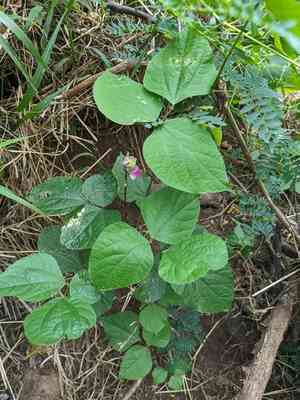
This robust climbing plant is recognized for its violet blossoms and consumable components. To ensure robust development, hyacinth bean requires early-season trimming to preserve its intended form and eliminate any deceased or ailing branches. The most effective pruning occurs from the beginning of spring through the end of autumn, enabling hyacinth bean to direct its resources toward blooms and seed pods. Consistent cutting boosts output, fosters denser foliage, and improves the plant's aesthetic value. Exercise caution when pruning to prevent excessive thinning, which could diminish the harvest.
What Are the Benefits of Pruning Hyacinth Bean?
What Are the Benefits of Pruning Hyacinth Bean?
Trimming hyacinth bean promotes robust development and maintains its desired form. It's crucial to eliminate dead or diseased sections to foster healthy growth and enhance blooming, ensuring hyacinth bean flourishes and yields abundantly.
What Is the Best Time for Pruning Hyacinth Bean?
What Is the Best Time for Pruning Hyacinth Bean?
Pruning in early spring allows for the removal of any frost-damaged vines and encourages healthier, more vigorous growth as the season begins. Pruning hyacinth bean during this period enables the gardener to shape the plant and direct its energy toward producing a lush canopy and a plentiful harvest. As hyacinth bean flowers and fruits in warmer months, summer pruning can help maintain plant structure, improve air circulation, and manage size, which benefits plant health and fruit quality. Additionally, late fall pruning is suitable for this species to prepare it for dormancy by removing dead or diseased pods and vines, thereby reducing the risk of plant pathogens carrying over to the next growing season.
What Tools Do I Need to Prune Hyacinth Bean?
Hand Pruners
Ideal for precise cutting of smaller stems and shoots of hyacinth bean, hand pruners provide clean cuts without harming the plant.
Loppers
Designed to handle thicker stems of hyacinth bean, loppers offer increased leverage for cleaner and easier cuts.
Pruning Saw
For mature and woody stalks of hyacinth bean that are too thick for hand pruners or loppers, a pruning saw delivers the necessary cutting power.
Gloves
Protective gloves are essential to prevent scratches or skin irritation when handling hyacinth bean during pruning.
Pruning Shears
Perfect for shaping and controlling the growth of hyacinth bean, pruning shears help maintain the plant's desired form.
Garden Scissors
For deadheading or light trimming of hyacinth bean, garden scissors are useful for making quick and easy snips.
How to Prune Hyacinth Bean
Step1: Optimal Pruning Timing Assessment
Determine the best time to prune hyacinth bean, which is early spring once frost has passed and before new growth starts. This helps stimulate healthy development and flowering.
Step2: Sterilization of Pruning Tools
Begin by sterilizing your pruning shears with rubbing alcohol or a 10% bleach solution to prevent disease spread when cutting.
Step3: Identification of Dead Stems
Examine hyacinth bean for dead stems, which typically appear brown, brittle, and lifeless. Dead stems must be removed to redirect energy to healthier plant parts.
Step4: Precise Dead Stem Removal
Make accurate cuts to remove dead stems at the plant's base, near the main stem or soil line, using sharp, clean pruning shears.
Step5: Detection of Diseased Plant Parts
Look for any diseased parts of hyacinth bean, which may show signs of rot, mold, or discoloration. Isolate and promptly remove these parts to prevent further disease spread.
Step6: Removal of Diseased Tissues
Cut away diseased parts by making clean cuts at least a few inches into healthy tissue to ensure all affected areas are removed. Dispose of these parts properly and avoid composting them.
Step7: Weak Shoot Identification
Identify weak shoots on hyacinth bean that appear thin, underdeveloped, or are growing in an undesirable direction. These should be pruned to encourage stronger growth and maintain the desired shape.
Step8: Selective Trimming of Weak Shoots
Trim weak shoots by cutting just above a leaf node or a set of leaves, at a 45-degree angle, to promote new growth from that point.
Step9: Shape and Maintenance Pruning
After pruning the specific parts – dead stems, diseased parts, weak shoots – assess the overall shape of hyacinth bean and perform additional maintenance pruning if necessary.
Step10: Post-Pruning Cleanup
Clear away any debris and fallen leaves after pruning to maintain a tidy growing area and minimize disease risk.
Step11: Hydration Post-Pruning
Water hyacinth bean after pruning to help alleviate stress and provide essential hydration for recovery and new growth.
Step12: Monitoring and Follow-up
Monitor hyacinth bean in the following weeks for signs of new growth and any potential issues that may require attention or follow-up pruning.
Post-Pruning Care for Hyacinth Bean
Post-Pruning Care for Hyacinth Bean
Immediately after pruning hyacinth bean, ensure optimal care by placing hyacinth bean in a well-lit area with indirect sunlight to promote recovery without stress. Maintain stable humidity and temperatures that mimic hyacinth bean's natural habitat. Post-pruning, apply a balanced fertilizer to replenish essential nutrients and promote vigorous growth. Regularly inspect hyacinth bean for signs of stress, such as wilting or discolored leaves, and signs of infection like spots or decay. If any unusual symptoms appear, promptly treat hyacinth bean with appropriate horticultural practices to prevent further damage.
Common Pruning Mistakes with Hyacinth Bean
Over-Pruning Reduces Plant Vigor and Bloom
Removing too much growth, which can stress hyacinth bean, reducing its vigor and ability to flower profusely.
Unsanitized Tools May Spread Diseases
Pruning without first sanitizing tools, risking the spread of disease to hyacinth bean.
Indiscriminate Cutting Disrupts Growth Patterns
Cutting hyacinth bean's stems and leaves indiscriminately, not considering the natural growth pattern and leading to an unsightly plant.
Neglecting Diseased Stems Compromises Health
Ignoring dead or diseased stems during pruning, which can hinder healthy growth and leave hyacinth bean susceptible to pests and diseases.
Failure to Shape Leads to Tangled Growth
Not shaping hyacinth bean as it grows, which may result in an uncontrolled and tangled mass of vines.
Common Pruning Tips for Hyacinth Bean
Clean Cuts with Sharp Shears for Quick Healing
Use clean, sharp pruning shears to make precise cuts, which aid in the quick healing of hyacinth bean's wounds.
Prune for Airflow and Light, Thinning Crowded Stems
Prune hyacinth bean to maintain airflow and light penetration; thin out crowded areas by removing some stems at the base.
Pinch Young Vines to Encourage Branching and Flowers
Pinch off the tips of young hyacinth bean vines to encourage branching, which results in a fuller plant and more flowers.
Remove Dead Leaves and Flowers to Stimulate Growth
Regularly remove dead or yellowing leaves and spent flowers to stimulate new growth and optimize the appearance of hyacinth bean.
Follow Natural Structure for Attractive Shaping
When shaping hyacinth bean, follow the natural vine structure to encourage a pleasing aesthetic, keeping in mind that horizontal growth often enhances flowering.



