How to Prune Goldenrain tree?
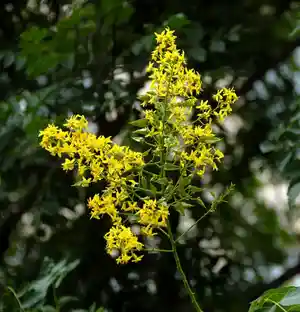
Distinguished by its vibrant yellow blossoms and unique inflated seed capsules, the goldenrain tree necessitates judicious trimming to preserve its form, stimulate flowering, and eliminate deceased branches. The optimal period for this activity is in late winter or early spring, prior to the commencement of the growth cycle. All cuts ought to be executed at a 45-degree incline to deter moisture buildup and the onset of ailments. Reducing dense branches facilitates better light exposure and air movement, fostering general well-being. Pruning elevates its aesthetic value and curtails unwanted dissemination via seeds.
What Are the Benefits of Pruning Goldenrain Tree?
What Are the Benefits of Pruning Goldenrain Tree?
Trimming goldenrain tree promotes robust development and helps preserve its desired form. Strategic cuts can enhance air flow, decrease disease risk, and boost its decorative appeal.
What Is the Best Time for Pruning Goldenrain Tree?
What Is the Best Time for Pruning Goldenrain Tree?
Early spring and late winter are ideal for pruning goldenrain tree, as these periods typically follow the harshest winter weather but precede new growth. Pruning at this time allows the plant to recover and direct energy towards developing new branches, leaves, and flowers. It also prevents unnecessary stress that could occur if pruning happened during active growth or peak blooming. Additionally, by pruning before the new growth cycle, the risk of disease transmission is minimized, as many pathogens are less active during cooler periods. This timing ensures goldenrain tree's healthy growth and that the plant maintains its desired shape without negatively impacting its ornamental features, such as its characteristic golden flowers and lantern-like fruit capsules.
What Tools Do I Need to Prune Goldenrain Tree?
Hand Pruners
Crucial for making precise cuts on smaller branches of goldenrain tree, typically under 3/4 inch in diameter. Both anvil and bypass pruners are suitable; however, bypass pruners generally create cleaner cuts, which is better for the plant's health.
Lopping Shears
Perfect for cutting branches between 3/4 inch and 1 1/2 inches in diameter. These tools offer greater leverage and can reach into the canopy of goldenrain tree without straining the gardener.
Pruning Saw
Necessary for larger branches exceeding 1 1/2 inches thick, commonly found on mature goldenrain tree trees. Opt for a saw with a curved blade for easier cutting.
Pole Pruner
Useful for reaching elevated branches inaccessible from the ground. This tool reduces the need for ladders, providing safety and convenience when pruning goldenrain tree.
Hedge Shears
Helpful for shaping and maintaining the smaller branches of goldenrain tree. However, they should be used carefully to avoid excessive cutting, which can lead to poor tree structure and health.
How to Prune Goldenrain Tree
Step1: Evaluate Plant Pruning Needs
Assess goldenrain tree for pruning requirements, primarily focusing on removing dead branches, diseased wood, and damaged limbs. Conduct this evaluation in late winter or early spring before the growing season starts, as this timing prevents excessive sap loss, which is more likely in warmer months.
Step2: Sterilize Pruning Tools
Sanitize your pruning tools with a solution of 1 part bleach to 9 parts water or use rubbing alcohol to prevent disease spread between plants. Ensure tools are sharp for clean cuts.
Step3: Prune Dead Branches
Begin with dead branches; identify them by their typical lack of leaves, brittle texture, and often darker or discolored bark. Prune dead branches at their origin point or back to a lateral branch or bud facing outward from the canopy.
Step4: Remove Diseased Wood
Look for diseased wood; indicators include discolored, cracked, or oozing bark and branches. Once found, cut at least 6-12 inches into healthy wood beyond the affected section to ensure all diseased areas are removed.
Step5: Cut Damaged Limbs Properly
Remove any damaged limbs, including those partially attached or showing signs of breakage. Make cuts just outside the branch collar (the swollen area where the branch meets the trunk) to promote proper healing. For larger limbs, use the three-cut method: a notch cut on the limb's underside, a relief cut further out to remove weight, and a final cut just outside the branch collar.
Step6: Thin Out Canopy for Health
Thin the canopy of goldenrain tree to improve air circulation and light penetration. Remove selected branches entirely, especially those that cross or rub against each other, to prevent damage and disease.
Step7: Reshape for Aesthetics and Size
Reshape goldenrain tree if needed for aesthetic reasons or to maintain a desired size. However, avoid excessive pruning, which may stimulate sucker growth and weaken goldenrain tree. Aim to prune no more than 25-30% of the crown in a single season.
Step8: Dispose of Pruning Debris
Clean up by removing all cuttings and debris from the area, which could harbor disease or pests. Dispose of diseased material properly and not in your compost pile to avoid spreading pathogens.
Step9: Monitor Plant Post-Pruning
Observe goldenrain tree for signs of stress after pruning, including lack of new growth or excessive sap loss. Provide water during dry periods and consider applying a layer of mulch around the base to conserve moisture and regulate soil temperature.
Step10: Record Pruning in Garden Journal
Finally, document your pruning activities in a gardening journal with the date and extent of pruning performed on goldenrain tree. This record-keeping will aid in planning future pruning and the plant's overall care.
Post-Pruning Care for Goldenrain Tree
Post-Pruning Care for Goldenrain Tree
Immediately after pruning goldenrain tree, water generously to alleviate stress. Position goldenrain tree to receive full sun for vigorous growth, while maintaining moderate humidity. Avoid extreme temperature fluctuations. Post-pruning, apply balanced fertilizer to supply nutrients for recovery. Regularly inspect for wilting, discoloration, or oozing wounds, which indicate stress or infection. Should such symptoms appear, promptly treat with appropriate fungicides or pest control methods. Monitoring goldenrain tree's response is crucial for adjusting care practices for optimal health.
Common Pruning Mistakes with Goldenrain Tree
Over-Pruning Weakens Plant Structure
Pruning too aggressively, which can stress goldenrain tree and potentially lead to a weaker structure and reduced flowering.
Damaging Main Trunk Invites Disease
Cutting into the main trunk or older, thicker branches, which may cause unnecessary wounds and make goldenrain tree vulnerable to diseases and pests.
Ignoring Natural Shape Affects Growth
Overlooking the natural shape of goldenrain tree, leading to poor aesthetic outcomes and potential harm to the tree's growth habit.
Unclean Tools Cause Jagged Infections
Using dull or unclean pruning tools, which can result in jagged cuts that are more susceptible to infection.
Neglecting Dead Branches Compromises Health
Ignoring dead, damaged, or diseased branches, which should be removed to maintain the health and appearance of goldenrain tree.
Common Pruning Tips for Goldenrain Tree
Thin Branches for Better Air and Light
Selectively thin out crowded branches to improve air circulation and light penetration, which encourages healthy growth and flowering in goldenrain tree.
Angular Cuts for Outward Growth
Make clean cuts at a 45-degree angle just above outward-facing buds or branching points to promote outward growth and maintain goldenrain tree's natural form.
Remove Suckers to Conserve Energy
Focus on removing suckers and water sprouts as they appear, since these can divert energy away from more desirable growth.
Use Sharp, Sterile Tools for Pruning
Sharpen and sterilize pruning tools before use to ensure precise cuts and reduce the risk of disease transmission to goldenrain tree.
Prune for Balance and Natural Shape
Prune with the intention of maintaining balance and structure while fostering the characteristic canopy shape of goldenrain tree, avoiding excessive removal of foliage.



