How to Prune Prickly castor oil tree?
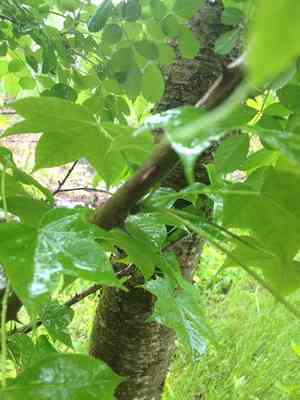
The prickly castor oil tree, recognized for its substantial, deeply divided foliage and thorny stalks, significantly benefits from trimming to sustain its vitality and structure. This horticultural practice should be carried out in the latter part of winter or early spring, prior to the emergence of new shoots. Reducing congested limbs and eliminating any lifeless or compromised timber fosters robust development and enhances air movement. Deliberate shaping can additionally cultivate a more appealing silhouette. Trimming not only improves the plant's aesthetic but also strengthens its general well-being and hardiness.
What Are the Benefits of Pruning Prickly Castor Oil Tree?
What Are the Benefits of Pruning Prickly Castor Oil Tree?
Trimming prickly castor oil tree promotes more vigorous growth by eliminating weak or damaged limbs, enhancing air circulation and sunlight exposure. Pruning also maintains its desired form and size for aesthetic appeal and garden upkeep.
What Is the Best Time for Pruning Prickly Castor Oil Tree?
What Is the Best Time for Pruning Prickly Castor Oil Tree?
From late winter to early spring, prickly castor oil tree is typically dormant, making it the perfect time for pruning or trimming. This timing prevents stress as the plant isn't actively growing and can recover effectively when the growing season starts. Also, the absence of leaves offers a clearer view of the structure, simplifying strategic cuts. Pruning before new growth directs prickly castor oil tree's energy towards strong, healthy shoots in spring, and reduces disease risk as wounds heal quickly during active growth. It's also when severe winter weather has lessened, minimizing damage to freshly pruned areas.
What Tools Do I Need to Prune Prickly Castor Oil Tree?
Hand Pruners
Perfect for cutting smaller branches, typically up to 0.5-0.75 inches wide, on young or small prickly castor oil tree, ensuring precise, clean cuts.
Loppers
Suitable for branches too thick for hand pruners, usually up to 2 inches in diameter, providing leverage for easier pruning of medium-sized prickly castor oil tree branches.
Pruning Saws
Excellent for removing larger branches over 2 inches in diameter from prickly castor oil tree. A saw with a curved blade can simplify reaching awkward angles.
Pole Pruners
Helpful for cutting branches on taller prickly castor oil tree, allowing the gardener to trim without a ladder, thus improving safety when pruning higher branches.
Hedge Shears
Great for shaping and maintaining formal hedges of prickly castor oil tree, as well as trimming smaller, leafy branches to encourage denser growth.
How to Prune Prickly Castor Oil Tree
Clean tools
Sanitize pruning tools before starting to prevent disease spread to or from prickly castor oil tree. Use a solution of 1 part bleach to 9 parts water to wipe down blades.
Inspect
Examine prickly castor oil tree closely, identifying dead or diseased branches by looking for signs of discoloration, rot, or lack of growth.
Cut dead branches
Carefully remove dead branches from prickly castor oil tree, making cuts at a 45-degree angle about 1/4 inch above a live bud or branch junction, to promote healthy regrowth.
Remove diseased branches
Prune away diseased branches from prickly castor oil tree, cutting well back into the healthy wood to ensure all infected material is removed. Dispose of these branches to prevent further contamination.
Clean up
Clear away all cuttings from around prickly castor oil tree to maintain a tidy growing area and reduce the risk of pests or diseases spreading through fallen debris.
Common Pruning Mistakes with Prickly Castor Oil Tree
Over-pruning
Removing too much foliage from prickly castor oil tree can weaken the tree, as it relies on its leaves for photosynthesis and energy production. Novice gardeners especially may not realize that cutting back more than 25-30% of the crown can stress the tree.
Improper cut locations
Cutting too far from a bud or node, or into the branch collar where the branch meets the trunk, can lead to improper healing and potentially invite diseases or pests to prickly castor oil tree.
Using dull tools
Utilizing dull pruning tools can result in jagged cuts that are more susceptible to infections. Both novice and experienced gardeners should maintain sharp tools for clean cuts.
Tearing bark
When cutting large limbs, failing to use a proper technique can result in the bark tearing away from prickly castor oil tree. This can cause significant damage to the tree's vascular system.
Common Pruning Tips for Prickly Castor Oil Tree
Clean cuts
Make sure to use sharp, sanitized pruning tools for clean cuts that heal quickly. This minimizes the risk of infection and promotes quicker recovery for prickly castor oil tree.
Cut angle
Prune branches with an angled cut just above outward-facing buds to encourage prickly castor oil tree to grow in a desired direction and to promote better air circulation and light penetration.
Size of cuts
Avoid cutting branches that are thicker than 2 inches in diameter unless necessary, as large wounds can be more challenging for prickly castor oil tree to heal.
Branch collar
When removing larger branches, cut just outside the branch collar without damaging it. This helps prickly castor oil tree to properly seal the wound and prevents decay.
Crossing branches
Remove any crossing or rubbing branches to prevent wounds and potential entry points for disease in prickly castor oil tree. This also improves the tree's overall structure.



