How to Prune Mountain laurel?
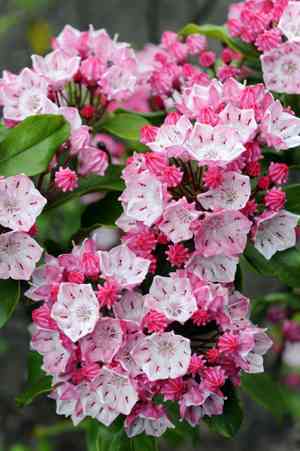
This perennial bush, featuring groupings of pink or white blossoms, flourishes in acidic ground. To preserve the mountain laurel's dense form, carefully eliminate aged branches and deceased matter. The ideal period for trimming is late spring or early summer subsequent to flowering, which stimulates fresh development. Refrain from extensive cutting to avert harm. Pruning improves air circulation and light access, fostering general plant well-being and vivid flowers.
What Are the Benefits of Pruning Mountain Laurel?
What Are the Benefits of Pruning Mountain Laurel?
Trimming mountain laurel promotes abundant blooms and aids in managing pests and illnesses, resulting in a more robust, vibrant specimen.
What Is the Best Time for Pruning Mountain Laurel?
What Is the Best Time for Pruning Mountain Laurel?
Trimming mountain laurel from late spring to early summer is ideal, aligning with its bloom cycle. Pruning after flowering allows gardeners to shape the plant and remove spent blossoms without sacrificing next year's flowers, as mountain laurel forms buds shortly after blooming. This timing also ensures cuts heal before winter, reducing frost damage to new growth. Additionally, pruning during this window minimizes disruption to the plant's growth cycle and supports its overall health by removing dead, diseased, or damaged branches when the plant is actively growing and can recover quickly.
What Tools Do I Need to Prune Mountain Laurel?
Bypass Pruners
Perfect for making clean cuts on mountain laurel's smaller branches, typically up to 1/2 inch in diameter, fostering healthy new development. They operate like scissors, with two curved blades passing each other for a precise cut.
Loppers
Effective for severing thicker branches, up to approximately 1 1/2 inches in diameter, found on mature mountain laurel plants. Their extended handles provide the necessary leverage for cutting larger stems without harming the plant.
Pruning Saw
Essential for removing any branches exceeding 1 1/2 inches in thickness. A pruning saw enables cutting through thicker mountain laurel wood without causing undue stress or jagged cuts to the plant.
Hand Shears
Useful for shaping mountain laurel, especially when dealing with denser foliage or when a more refined form is desired. They allow for selective thinning of the outer plant areas for aesthetic purposes.
Garden Gloves
Recommended for protecting hands during mountain laurel pruning to prevent scrapes and cuts, as some varieties may have sharp leaves or branches.
Disinfectant
Crucial for sanitizing tools before and after pruning mountain laurel to prevent disease transmission between plants. Regular sterilization is vital for the health of mountain laurel.
How to Prune Mountain Laurel
Step1: Timing Pruning Season
Determine the optimal period for pruning mountain laurel, which is late winter to early spring before new growth emerges, to minimize plant stress and prepare it for vigorous development.
Step2: Tool Sterilization
Sanitize your pruning implements with isopropyl alcohol or a 10% bleach solution to prevent the spread of disease or infection to mountain laurel.
Step3: Dead Wood Identification
Inspect mountain laurel for dead wood by checking for brittle branches, those lacking green beneath the bark when lightly scratched, or showing no signs of buds. These are the branches to target for removal.
Step4: Dead Branch Removal
Start by eliminating any dead wood. Make cuts at the base of the dead branches where they meet healthy wood, using angled cuts to promote water runoff and prevent rot. Ensure cuts are clean and avoid tearing the bark.
Step5: Damaged Limb Inspection
After clearing dead wood, examine mountain laurel for damaged limbs, which may include those with cracks, splits, or signs of disease such as cankers or unusual coloration.
Step6: Healthy Bud Pruning
Trim damaged limbs by cutting just above a node where a healthy bud is present. If the entire limb is compromised, cut it back to the main trunk or to a healthy lateral branch.
Step7: Growth Thinning for Air and Light
Thin out excessive growth to enhance air circulation and light penetration within mountain laurel. Remove any branches that cross others or grow inward towards the plant's center.
Step8: Angled Cut for Healing
Ensure all cuts are made at a 45-degree angle to aid healing and prevent water accumulation on the wound, which can lead to rot.
Step9: Limiting Foliage Removal
Avoid excessive pruning by limiting the removal of living tissue to no more than one-third of mountain laurelâs total foliage in a single season.
Step10: Post-Pruning Cleanup
After pruning mountain laurel, clear all debris from the area to prevent the spread of any potential diseases and improve the garden's appearance.
Step11: Growth Monitoring
Observe the pruned areas of mountain laurel over the subsequent weeks for indications of new growth, signifying successful pruning and a healthy plant response.
Post-Pruning Care for Mountain Laurel
Post-Pruning Care for Mountain Laurel
Following mountain laurel pruning, water it thoroughly immediately to lessen transplant shock. Provide partial shade to avoid direct sun stress, and maintain consistent humidity and temperature. Apply a balanced, slow-release fertilizer to support regrowth. Monitor mountain laurel for wilted or discolored leaves, which indicate stress or infection. If symptoms appear, adjust care and consult a specialist for potential diseases. Regular inspections will confirm mountain laurel's successful recovery and encourage healthy growth.
Common Pruning Mistakes with Mountain Laurel
Avoid Cutting into Old Wood
Cutting into the old wood of mountain laurel can be harmful as it may not produce new shoots from mature stems, leading to a loss of flowering potential and potentially damaging the plant.
Do Not Over-Prune in One Session
Excessively pruning mountain laurel in a single session can stress the plant and make it susceptible to diseases or poor growth. These shrubs do not require heavy pruning and are best maintained with lighter, more frequent trims.
Remove Dead or Diseased Wood Promptly
Failing to remove dead or diseased wood can attract pests and diseases to mountain laurel, potentially spreading to healthy parts of the plant and other nearby plants.
Use Sharp, Clean Pruning Tools
Using dull or dirty pruning tools causes jagged cuts and introduces pathogens to mountain laurel. Cuts should be clean to promote faster healing.
Prune with a Clear Goal
Pruning without a clear objective or plan may result in a misshapen plant or the removal of too many flower buds, leading to a sparse flowering display.
Common Pruning Tips for Mountain Laurel
Make Clean Cuts with Sharp Shears
Always use sharp, clean pruning shears to make precise, straight cuts on mountain laurel to minimize damage and potential entry points for disease.
Prune After Flowering to Save Buds
Prune mountain laurel immediately after it flowers to preserve the current season's flower buds, which form on the previous year's growth, and to shape the plant or manage its size.
Cut Back Weak, Broken, or Diseased Branches
Identify and remove any weak, broken, or diseased branches to help maintain the overall health and appearance of mountain laurel, cutting them back to the base or to a point of healthy wood.
Thin Center to Improve Air and Light
Thinning out the center of mountain laurel can enhance air circulation and light penetration, which promotes healthy growth and reduces the risk of fungal diseases.
Cut Just Above Leaves or Growth Node
Cut back to just above a set of leaves or a growth node, which encourages mountain laurel to produce new growth and more flowers from the remaining buds.
Avoid Cutting Too Near to Main Stem
Avoid cutting too close to the main stem, which could harm the parent branch and create larger wounds that heal slower and are more vulnerable to disease on mountain laurel.



