How to Prune Neverdie?
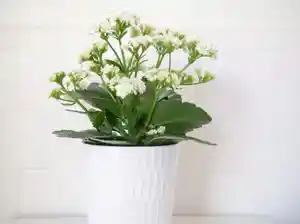
A succulent featuring plump foliage and groupings of tiny blossoms, neverdie flourishes with appropriate trimming to foster a compact form and avert elongated stems. The ideal period to trim neverdie is in late winter or early spring, prior to the emergence of new shoots. Employ sanitized, keen cutting tools to excise deceased or discolored leaves at their origin and shorten excessively long stems to a robust leaf or leaf joint. Trimming not only sculpts neverdie but also stimulates more robust, energetic development and blooming.
What Are the Benefits of Pruning Neverdie?
What Are the Benefits of Pruning Neverdie?
Trimming neverdie promotes robust development and maintains its desired form. It eliminates old or overgrown branches, fostering healthier and denser foliage by directing energy to new growth. Regular trimming keeps neverdie visually appealing and well-structured.
What Is the Best Time for Pruning Neverdie?
What Is the Best Time for Pruning Neverdie?
Pruning neverdie in late winter and early spring is considered ideal because these periods align with the plant's dormant phase, before the active growth cycle begins. During this time, the plant conserves energy, and pruning will minimize stress, allowing for strong recovery and vigor as the growing season starts. Trimming in these seasons also helps remove any frost damage from winter and shapes the plant in preparation for new growth. Additionally, since neverdie is not in its flowering or fruiting stage during these times, there is a lower risk of removing potential blooms or fruits, ensuring the plant's energy is directed towards healthy new growth.
What Tools Do I Need to Prune Neverdie?
Bypass Pruners
Perfect for making clean cuts on neverdie's stems. Since neverdie has relatively soft stems, bypass pruners offer precise control and minimize harm to the plant tissue.
Disinfectant (such as alcohol or bleach solution)
Used to sanitize pruning tools before and after trimming neverdie, preventing the spread of disease among your plants.
Gloves
Protects the gardener's hands from sap and ensures a secure grip on the tools while working with neverdie.
How to Prune Neverdie
Identify Diseased Or Withered Leaves
Examine neverdie and pinpoint all diseased and withered leaves. These are typically discolored, brown, or blackened and may show signs of fungal spots or decay.
Sterilize Tools
Before starting the pruning process, sterilize your pruning shears or scissors to prevent the spread of disease. You can wipe the blades with rubbing alcohol or a bleach solution.
Cut Diseased Or Withered Leaves
Using the sterilized tools, carefully trim off the identified diseased and withered leaves. Make the cuts close to the base of the leaf, but be careful not to damage the stem or nearby healthy leaves.
Dispose Of Trimmed Material
Dispose of the trimmed leaves immediately, preferably in a sealed bag, to prevent any potential spread of disease or attracting pests to the pruning site.
Clean Up
After pruning, clean your tools again using the same sterilization method as in Step 2. This will ensure they are ready for future use and will not harbor any plant diseases.
Common Pruning Mistakes with Neverdie
Over-Pruning
Removing too much foliage at once can stress neverdie, leading to poor growth or even plant death.
Incorrect Cuts
Making cuts too close to the main stem may harm neverdie, while leaving too much of a stub can attract pests.
Using Dull Tools
Dull pruning shears can cause jagged cuts, which make neverdie more susceptible to diseases.
Pruning Healthy Growth
Unnecessarily cutting away healthy leaves and stems can hinder neverdie's growth and flowering potential.
Removing Flower Buds
Mistakenly pruning off unopened flower buds reduces the flowering display of neverdie.
Ignoring Diseased Areas
Failing to remove diseased or dead parts of neverdie can allow the disease to spread.
Common Pruning Tips for Neverdie
Clean Tools
Use sterilized, sharp pruning shears to make clean cuts, reducing the risk of disease transmission to neverdie.
Selective Trimming
Snip off only the dead or overgrown branches to shape neverdie without stressing the plant.
Preserving Buds
Identify flower buds and avoid cutting them off to ensure neverdie can display its blooms.
Correct Cutting Technique
Make angled cuts above leaf nodes to encourage new growth and facilitate water runoff from the cut surface.
Thin Crowded Areas
Thin out crowded sections to improve light penetration and air circulation, promoting neverdie's overall health.
Timely Deadheading
Remove spent flowers regularly to redirect neverdie's energy towards new growth and blooming.



