How to Prune Malabar nut?
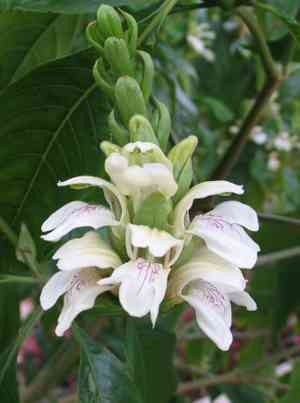
For Justicia adhatoda, a tropical evergreen recognized for its medicinal foliage and pale blossoms, the ideal period for trimming is during the winter season. Eliminate any lifeless or ailing branches to preserve its well-being and structure. Undertake a gentle pruning to foster denser development and improve air circulation, which assists in averting ailments. Following the blooming phase, detach faded flower stalks to encourage subsequent flowering. Trimming Justicia adhatoda not only invigorates robust development but also guarantees peak plant vigor and therapeutic benefits.
Advantages of Trimming Malabar Nut
Advantages of Trimming Malabar Nut
Trimming malabar nut promotes vigorous development by channeling energy to robust branches and leaves. It also preserves the plant's intended form, fostering a neat and visually pleasing look.
Optimal Period for Trimming Malabar Nut
Optimal Period for Trimming Malabar Nut
Pruning in late winter aligns with malabar nut's dormant stage, ensuring minimal stress and sap loss. It encourages strong spring growth and helps maintain its shape and size. Trimming before new growth emerges allows gardeners to easily spot dead or diseased sections. This timing also prevents cutting off nascent buds that would develop into the next season's blooms or fruits.
Essential Tools for Trimming Malabar Nut
Bypass Pruners
Perfect for making clean cuts through live, green stems and branches of malabar nut without causing undue harm to the plant's tissues. These pruners operate like scissors, with two blades passing each other to make the cut.
Hand Shears
Effective for shaping and trimming the foliage of malabar nut. They offer greater control and precision for maintaining the plant's desired form, especially useful for its dense leaves.
Pruning Saw
Recommended for cutting through thicker branches that bypass pruners cannot manage. The saw should be used when malabar nut matures and requires the removal of branches exceeding an inch in diameter.
How to Trim Malabar Nut
Identify and remove withered leaves
Inspect malabar nut for withered leaves. Gently remove them by hand or snip them off with pruning shears, being careful not to harm healthy tissue.
Prune dead branches
Look for branches showing no signs of lifeâsuch as an absence of leaves or green growth. Use sharp, clean pruning shears or a saw for thicker branches. Cut at a 45-degree angle, just above a live bud or healthy cluster of leaves.
Detect and trim diseased branches
Identify branches with disease symptoms (discoloration, decay, or unusual growth). Isolate and sanitize your cutting tool before and after pruning to prevent pathogen spread. Remove the affected branches entirely, or cut back to a healthy section, if appropriate.
Clean up
Collect and dispose of all removed plant material away from healthy malabar nut to lessen the risk of pest or disease transmission.
Post-pruning care
Provide malabar nut with sufficient water and, if needed, a balanced fertilizer to aid recovery and new growth after the trimming process.
Common Trimming Errors with Malabar Nut
Excessive pruning
Removing too much of malabar nut at once can stress the plant, hinder its growth, or result in an undesirable shape. Aim to remove no more than one-third of the entire plant at a time.
Incorrect tool usage
Using dull or unsanitary pruning tools can damage malabar nut's branches, leading to jagged cuts that are more vulnerable to disease. Always use sharp, clean shears.
Trimming healthy growth
Removing too much healthy growth can diminish malabar nut's potential for flowering. Identify and focus on cutting back only damaged or overgrown areas.
Disregarding plant structure
Failing to consider the natural shape and growth pattern of malabar nut can lead to an imbalance that might affect the plant's strength and appearance.
General Trimming Advice for Malabar Nut
Selective thinning
Remove only the necessary branches to improve light penetration and air circulation within the foliage of malabar nut, which can help prevent disease.
Cutting angle
Make angled cuts just above leaf nodes or branching points to promote healthy regrowth and minimize water accumulation at the cut sites that could lead to rot.
Maintenance pruning
Regularly trim back spent flowers and any weak, leggy stems to encourage bushier growth and more robust flowering in malabar nut.
Shaping
Maintain the natural form of malabar nut while pruning. Be cautious of creating an unnatural shape that may compromise the plant's health and visual appeal.



