How to Prune Eastern red cedar?
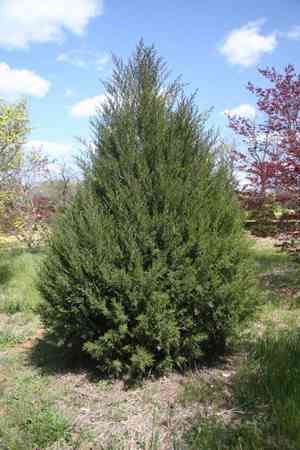
Distinguished by its fragrant timber and acicular leaves, Juniperus virginiana is a resilient evergreen that thrives with judicious trimming. The ideal period for pruning is in winter, while the plant is inactive, to prevent interference with sap movement. Methods involve reducing congested limbs to enhance air movement and light exposure. Eliminate deceased, ailing, or intersecting branches to preserve vitality. Trimming also manages dimensions and fosters compact development, elevating Juniperus virginiana's aesthetic appeal. Refrain from over-cutting to avert inhibited development.
Advantages of Trimming Eastern Red Cedar
Advantages of Trimming Eastern Red Cedar
Trimming eastern red cedar promotes robust development and preserves its desired structure. Strategic cuts can stimulate new growth, leading to a denser, healthier canopy. Regular trimming helps manage eastern red cedar's size, allowing it to fit into landscaped areas without crowding adjacent plants.
Optimal Period for Pruning Eastern Red Cedar
Optimal Period for Pruning Eastern Red Cedar
Pruning eastern red cedar during winter is considered ideal because the plant is in a dormant state. This dormancy minimizes plant stress and reduces the risk of disease transmission or infection through pruning wounds. The absence of foliage at this time provides a clearer view of the plant's structure, enabling more precise and effective trimming. Additionally, the plant's sap is not actively flowing, meaning cuts will heal more efficiently without excessive sap loss, thus conserving the plant's resources needed for spring growth. Pruning before the onset of new growth in early spring ensures the plant can direct its energy into producing healthy new shoots and maintaining its vigor.
Essential Tools for Pruning Eastern Red Cedar
Hand Pruners
For slender branches and detailed work on eastern red cedar, hand pruners, or secateurs, are perfect. They enable accurate cuts without harming surrounding foliage.
Lopping Shears
Lopping shears feature long handles, providing leverage to cut thicker branches of eastern red cedar up to 1.5 inches in diameter, crucial for easily removing larger limbs.
Pruning Saw
For branches exceeding 1.5 inches in diameter, a pruning saw is necessary. It creates clean cuts through the thick wood of eastern red cedar without causing undue strain on the plant.
Hedge Shears
When shaping or thinning the foliage of eastern red cedar, hedge shears are the appropriate tool. They produce straight, even cuts, ideal for maintaining the dense growth pattern of the hedge.
Pole Pruner
To reach higher branches without a ladder, a pole pruner is suitable. It's perfect for taller specimens of eastern red cedar, ensuring safety and efficiency during the pruning process.
How to Prune Eastern Red Cedar
Step1: Ideal Pruning Timing
Determine the best time to prune eastern red cedar, which is late winter or early spring before new growth begins. However, dead, diseased, or broken limbs can be removed at any time as soon as they are noticed to prevent further damage or disease spread.
Step2: Tool Preparation and Sanitization
Prepare clean, sharp pruning tools. Disinfect shears or saws before use on eastern red cedar to prevent the spread of disease. Tools should be appropriate for the size of branches being removed.
Step3: Dead Branch Removal
Begin by removing any dead branches. Cut these branches back to the point of living tissue, making the cut just above a lateral branch or bud using angled cuts to promote water runoff and prevent disease.
Step4: Diseased Wood Excision
Prune out any diseased wood. Make the cuts well below the affected areas to prevent contamination of healthy parts of eastern red cedar. Dispose of diseased material properly and sanitize your tools after this step.
Step5: Broken Limb Trimming Technique
Address broken limbs by cutting back to the nearest healthy, stable section. If a large limb is broken, make a three-part cut to prevent bark tearing: first, a notch on the underside of the limb, second, a relief cut further out, and third, a final cut just outside the branch collar for proper healing.
Step6: Shaping and Structural Pruning
After removing dead, diseased, and broken limbs, assess eastern red cedar for shape. If shaping is needed, make sparing cuts to maintain a natural silhouette. Avoid excessive pruning which can stimulate rapid new growth that might not harden before winter.
Step7: Post-Pruning Cleanup
Clean up all pruning debris from around eastern red cedar to discourage pests and diseases. Monitor the plant for signs of stress after pruning and provide water if necessary to support recovery.
Step8: Ongoing Vigilance for Plant Health
Inspect eastern red cedar regularly throughout the growing season for any signs of dead or diseased limbs that may have been missed during the initial pruning and remove as necessary.
Post-Pruning Care for Eastern Red Cedar
Post-Pruning Care for Eastern Red Cedar
After pruning eastern red cedar, ensure adequate moisture without waterlogging. Position eastern red cedar in well-lit conditions, avoiding direct, harsh sun. Maintain moderate temperatures, with mild humidity to aid recovery. Fertilize with a balanced product in the following season to promote growth. Monitor eastern red cedar for discolored foliage or bark lesions, which indicate stress or disease. If signs appear, consult an arborist for potential treatments such as fungicides or pest controls.
Frequent Pruning Errors with Eastern Red Cedar
Excessive Thinning Reduces Vigor
Removing too much foliage from the interior of the eastern red cedar can lead to a less vigorous plant. It is important to maintain a balance and avoid over-thinning.
Improper Cutting of Old Wood Hinders Regrowth
Cutting into older, woodier stems without careful consideration can harm the eastern red cedar, as it may not regenerate from old wood. Pruning should focus on younger, more pliable growth.
Ignoring Natural Shape Impacts Health and Appearance
Disregarding the plant's natural shape can result in an unnatural appearance and may negatively impact the plant's health. It's essential to maintain the conical shape typical of eastern red cedar.
Dull or Dirty Tools Cause Branch Damage
Using dull or unclean pruning tools can damage branches, leaving jagged cuts that are more susceptible to pests and diseases. Always use sharp, sanitized tools for clean cuts.
Neglecting Damaged Branches Encourages Decay
Ignoring dead, damaged, or diseased branches may lead to further decay and infestations. Regular inspection and removal of such branches are essential for the plant's health.
General Pruning Advice for Eastern Red Cedar
Minimal Pruning Preserves Natural Form
Prune selectively and minimally to maintain the natural conical form of eastern red cedar, as heavy pruning is usually not necessary and can be detrimental.
Clean 45-Degree Cuts Encourage Growth
When pruning is required, make clean cuts at a 45-degree angle just above a lateral branch or bud to encourage proper healing and new growth in the desired direction.
Thin Sparingly to Maintain Vitality and Airflow
Encourage air circulation and light penetration by thinning overcrowded areas. Remove some of the smaller twigs within the canopy, but avoid excessive thinning to protect the plant's vitality.
Shape By Trimming Branch Tips
Focus on removing just the tips of the branches to shape the eastern red cedar or to remove unwanted seedlings that can sometimes emerge around them.
Sanitize Tools to Prevent Disease Spread
Sanitize pruning tools before and after use with a solution of one part bleach to nine parts water to prevent the spread of diseases between plants.



