How to Prune Rocky mountain juniper?
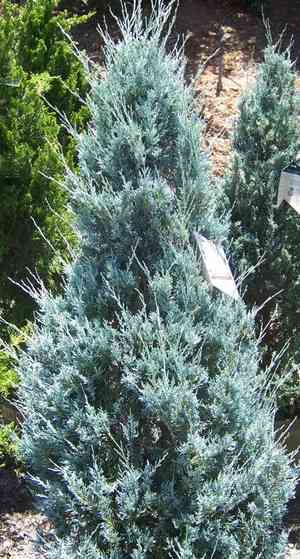
This perennial evergreen is valued for its robust, conical structure and bluish-green needles. For Juniperus scopulorum, trimming ought to concentrate on preserving its inherent silhouette, eliminating deceased or ailing limbs, and reducing crowded sections to enhance light exposure and airflow. The most suitable period to trim Juniperus scopulorum is in the winter season, when the plant is inactive. Judicious trimming guarantees vigorous development and averts prevalent juniper diseases by enabling internal sections to desiccate, boosting overall hardiness.
What Are the Benefits of Pruning Rocky Mountain Juniper?
What Are the Benefits of Pruning Rocky Mountain Juniper?
Trimming rocky mountain juniper promotes robust development, enables gardeners to maintain desired form and dimensions, enhances air movement, and guarantees uniform nutrient distribution, leading to a healthier specimen.
What Is the Best Time for Pruning Rocky Mountain Juniper?
What Is the Best Time for Pruning Rocky Mountain Juniper?
Pruning in the winter, specifically late winter, is ideal for rocky mountain juniper as it aligns with the plant's dormant phase. During dormancy, sap flow is minimal and the plant isn't focused on growth, which reduces stress and the likelihood of disease spread at cut sites. Furthermore, the absence of leaves during this period offers better visibility for identifying and executing precise cuts. Pruning before spring growth begins allows rocky mountain juniper to recover and channel energy into new, healthy development when the growing season commences, contributing to the plant's overall health and structure.
What Tools Do I Need to Prune Rocky Mountain Juniper?
Hand Pruners
For rocky mountain juniper, hand pruners are crucial for making accurate cuts on smaller branches. They facilitate clean cuts that help prevent disease and encourage healthy growth. Bypass pruners are preferred due to their scissor-like action, which is less likely to crush stems.
Loppers
Rocky mountain juniper's thicker branches, up to two inches in diameter, necessitate loppers for cutting. Loppers feature long handles, providing the leverage needed to trim larger stems without harming the plant.
Pruning Saw
For mature rocky mountain juniper specimens with thicker branches exceeding the capacity of loppers, a pruning saw is beneficial. This saw can handle diameters greater than two inches and is particularly important during extensive pruning tasks or restorative trimming.
Hedge Shears
When shaping rocky mountain juniper as a hedge or to encourage dense growth, hedge shears are the preferred tool. They allow for trimming and shaping over a larger area, giving the plant a more uniform appearance.
Gloves and Safety Glasses
Personal protective equipment such as gloves and safety glasses are advised when pruning rocky mountain juniper to prevent injuries from sharp foliage and branches.
Disinfectant
Rocky mountain juniper benefits from using a disinfectant on pruning tools between cuts, especially when moving between different plants to prevent the spread of disease.
How to Prune Rocky Mountain Juniper
Step1: Timely Season Selection
Determine the appropriate time of year to prune rocky mountain juniper, which is typically late winter to early spring before new growth begins.
Step2: Dead Wood Identification
Inspect rocky mountain juniper for dead wood by checking for brittle branches, absence of green needles, or a gray, dry appearance. To confirm, scratch a small piece of bark to see if any green tissue is present.
Step3: Healthy Growth Cutting Technique
To remove dead wood, cut the branch back to a point where healthy growth is evident. Use clean, sharp pruning tools, making cuts at a slight angle approximately 1/4 inch above a bud or branch junction.
Step4: Disease Inspection and Tool Sterilization
Examine rocky mountain juniper for diseased branches, which may show signs of discoloration, cankers, or unusual growth. Use gloves and sterilize your pruning tools before and after to prevent disease transmission.
Step5: Diseased Branch Removal
Cut diseased branches well below the affected area, or remove them entirely if necessary, disposing of them properly away from healthy plants.
Step6: Thinning for Air Flow and Sunlight
Thin out sparse foliage to enhance air circulation and sunlight penetration. Target branches that are crossing or rubbing against each other, and selectively prune back to a side branch or main trunk.
Step7: Shape Maintenance and Over-pruning Avoidance
Maintain the natural shape of rocky mountain juniper by following its growth habit and avoiding excessive pruning. Remove only about one-third of the foliage in a single season.
Step8: Post-Pruning Plant Care
After pruning, care for rocky mountain juniper by providing adequate water and applying a balanced fertilizer to support recovery and new growth.
Step9: Pruning Tool Maintenance
Regularly clean and sharpen your pruning tools to ensure precise cuts and to maintain plant health.
Step10: Post-Pruning Plant Monitoring
Monitor rocky mountain juniper after pruning for signs of stress and provide proper care, which includes mulching the base and ensuring sufficient water, especially during dry periods.
Post-Pruning Care for Rocky Mountain Juniper
Post-Pruning Care for Rocky Mountain Juniper
Following the pruning of rocky mountain juniper, immediately ensure the plant is in a well-ventilated area with partial to full sun exposure, avoiding excessive humidity to minimize disease risk. Adjust watering to account for reduced foliage but prevent overwatering. Delay fertilization until new growth appears, using a balanced, slow-release formula. Regularly inspect cuts for signs of disease or pests; apply a fungicide or insecticide if needed. Maintain stable temperatures, avoiding frost exposure to aid recovery.
Common Pruning Mistakes with Rocky Mountain Juniper
Avoid Pruning into Old Wood
Cutting into the older wood of rocky mountain juniper where new growth is unlikely to emerge can result in bare patches that do not fill in, diminishing its natural beauty.
Do Not Over-Prune Foliage
Excessively pruning rocky mountain juniper by removing more than one-third of the foliage in a single season can stress the plant and make it more susceptible to diseases or pests.
Use Clean and Sharp Tools
Using dull or dirty pruning tools on rocky mountain juniper can lead to jagged cuts and increase the risk of disease transmission to the plant.
Common Pruning Tips for Rocky Mountain Juniper
Make Precise Cuts with Proper Tools
When pruning rocky mountain juniper, use sharp and clean tools to make precise cuts, which help to promote quick healing and reduce the risk of disease.
Thin Out Crowded Branches
Focus on thinning out crowded branches of rocky mountain juniper to improve air circulation and light penetration, which are crucial for the health and vigor of the plant.
Respect Plant's Natural Shape
Respect the natural shape of rocky mountain juniper by selectively pruning wayward branches rather than shearing, which preserves the plant's aesthetic and natural structure.



