How to Prune Japanese garden juniper?
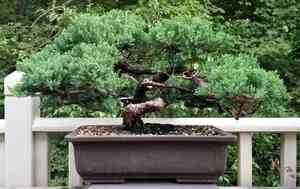
This evergreen is prized for its prostrate, spreading characteristic. For japanese garden juniper, judicious trimming improves its form and compactness. Lightly snip fresh shoots, but refrain from cutting into mature wood, as it might not regrow. The ideal time for pruning is during its dormant winter phase. Trimming manages its spread, preserves its visual appeal, and fosters plant well-being by boosting air circulation and lowering the likelihood of ailments.
What Are the Benefits of Pruning Japanese Garden Juniper?
What Are the Benefits of Pruning Japanese Garden Juniper?
Trimming japanese garden juniper promotes strong development and maintains its desired form. This action helps eliminate crowded or dead branches, allowing light and air to reach the inner foliage. Regular trimming ensures japanese garden juniper remains healthy, visually appealing, and thrives in garden settings.
What Is the Best Time for Pruning Japanese Garden Juniper?
What Is the Best Time for Pruning Japanese Garden Juniper?
This period is considered ideal for trimming japanese garden juniper as it aligns with their dormant phase. During winter, sap flow is minimal, reducing the risk of sap loss and potential entry points for disease that can result from pruning. Additionally, the plant's structure is more visible without foliage, enabling more precise shaping and removal of unwanted or unhealthy branches. Winter pruning prepares japanese garden juniper for vigorous spring growth by directing the plant's energy towards producing new, healthy growth instead of maintaining old or excess branches.
What Tools Do I Need to Prune Japanese Garden Juniper?
Hand Pruners
Perfect for precise cuts on small branches and twigs of japanese garden juniper, essential for maintaining its shape in a garden environment.
Pruning Saws
Required for removing larger branches that hand pruners cannot manage, ensuring clean cuts without harming japanese garden juniper.
Hedge Shears
Useful for trimming and shaping the foliage of japanese garden juniper when aiming for a formal hedge appearance or for topiary work.
Bypass Loppers
Effective for cutting through thicker, woody stems and branches, providing longer handles for the necessary leverage with japanese garden juniper.
Gloves
A protective measure to safeguard hands from cuts and scratches while handling japanese garden juniper, which may have sharp needles.
Cleaning Solution
For sanitizing pruning tools before and after use, preventing the transmission of diseases to and from japanese garden juniper.
How to Prune Japanese Garden Juniper
Step1: Timing for Dormancy
Determine the Optimal Time: Trim japanese garden juniper during its dormant period, typically from late winter to early spring before new growth appears. Avoid pruning in late autumn as cuts may not heal before winter, potentially leading to cold weather damage.
Step2: Tool Sanitization and Selection
Preparation: Clean and sterilize your pruning tools to prevent disease spread. Use sharp tools for clean cuts. Have on hand bypass pruners for small branches, loppers for medium-sized branches, and a pruning saw for larger branches.
Step3: Dead Wood Removal
Begin with Dead Wood: Start pruning by removing any dead, damaged, or diseased wood. Make cuts just above where the dead wood meets healthy wood, using an angled cut to encourage water runoff and prevent disease.
Step4: Diseased Branches Excision
Remove Diseased Branches: Carefully inspect japanese garden juniper for signs of disease, such as discolored foliage, cankers, or unusual growth patterns. Remove affected branches by cutting well below the diseased sections to ensure all diseased tissue is gone, and dispose of the material away from healthy plants.
Step5: Damaged Limb Trimming
Address Damaged Wood: Look for branches that have been damaged by weather, pests, or mechanical injury. Cut these branches back to a lateral branch or bud that faces the outside of the plant. This directs new growth outward, contributing to a healthier, more open plant structure.
Step6: Canopy Thinning for Plant Health
Thinning for Health: For overall health and maintenance, thin out the interior of japanese garden juniper to improve light penetration and air circulation. Selectively remove some of the denser foliage and smaller branches within the canopy, especially those that are crossing or rubbing against each other.
Step7: Structural Shaping
Shaping: If shaping is desired for japanese garden juniper, visualize the intended form before making cuts. Gently shape the plant by trimming back new growth to maintain a naturalistic appearance, avoiding over-pruning which can result in sparse foliage and poor form.
Step8: Debris and Cutting Disposal
Final Cleanup: After pruning, remove all cuttings from the area to prevent the possible spread of diseases. Clear out any remaining debris from the base of japanese garden juniper to discourage pest infestation.
Step9: Post-Pruning Hydration
Post-Pruning Care: Water japanese garden juniper deeply after pruning to encourage healing and new growth. Do not fertilize immediately after pruning, as it can stress the plant; wait until active growth begins in spring to fertilize.
Post-Pruning Care for Japanese Garden Juniper
Post-Pruning Care for Japanese Garden Juniper
Immediately after pruning, japanese garden juniper requires careful hydrationâwatering should be sufficient to moisten the soil without causing waterlogging. Adequate light is crucial, so position japanese garden juniper in a spot with dappled sunlight to prevent stress. Maintain a stable temperature and humidity level to support recovery. Fertilize with a balanced, slow-release formula one month post-pruning to promote healthy growth. Regularly inspect japanese garden juniper for signs of stress, such as discoloration or wilting, and combat any infections with appropriate fungicides or pesticides.
Common Pruning Mistakes with Japanese Garden Juniper
Excessive Pruning of Old Wood
Removing too much foliage from the japanese garden juniper's older wood, which can lead to sparse regrowth as this plant species does not readily produce new shoots from old wood.
Over-Pruning and High Frequency
Trimming too often or too aggressively, as excessive pruning can stress the japanese garden juniper, potentially stunting its growth or causing reduced vigor.
Using Dull or Dirty Tools
Employing dull or uncleaned pruning tools which can damage the japanese garden juniper's branches and make them vulnerable to disease.
Forcing Unnatural Shapes
Disregarding the natural form of the japanese garden juniper and attempting to force it into an unnatural shape, which can harm the plant and yield unsatisfactory aesthetic results.
Not Removing Dead or Diseased Foliage
Failing to remove dead or diseased foliage, which can hinder healthy growth and potentially spread pests or diseases to other parts of the japanese garden juniper.
Common Pruning Tips for Japanese Garden Juniper
Directional Growth Through Targeted Cuts
Make clean cuts just above a branch or bud that faces the direction you want new growth to follow, which encourages the japanese garden juniper to develop a pleasing shape.
Thinning Over Topping for Health
Focus on thinning rather than topping â remove selected branches entirely to allow light and air to penetrate the plant, which promotes healthy growth and prevents disease for the japanese garden juniper.
Tip Pruning for Denser Growth
Trim back the tips of young shoots to the desired length, as this encourages the japanese garden juniper to become denser and more compact.
Sharp and Sterile Tool Use
Use sharp and sterile pruning tools to make precise cuts and reduce the risk of disease infection in the japanese garden juniper.
Prune with Plantâs Natural Form
Prune carefully around the japanese garden juniper's natural line and contours to maintain its characteristic shape and ensure an aesthetically pleasing appearance.



