How to Prune Creeping juniper?
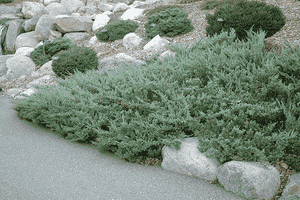
A low-growing perennial shrub, Juniperus horizontalis features thick greenery and hardiness in chilly environments. Trim to sculpt and manage its expansion, employing sanitized, keen implements. The most suitable time is during the winter season when vegetation is inactive. Eliminate lifeless or injured limbs, thin out to boost air movement, and neaten borders for a preferred outline. Trimming improves well-being, stimulates fresh development, and preserves an appealing structure. Refrain from severe cutting to avert exposing the wood, which may not regrow.
Advantages of Trimming Creeping Juniper
Advantages of Trimming Creeping Juniper
Trimming creeping juniper promotes robust new growth and preserves its desired shape. By selectively removing parts, gardeners can manage its size and encourage a denser canopy, contributing to overall plant health and beauty.
Optimal Period for Trimming Creeping Juniper
Optimal Period for Trimming Creeping Juniper
Trimming during winter is ideal as creeping juniper is dormant, leading to less plant stress. This timing encourages vigorous spring growth due to its natural cycle. Additionally, removing dead or diseased branches then helps prevent pathogen spread, which are less active in colder weather. Pre-spring trimming also allows shaping without affecting upcoming growth, ensuring the plant maintains its desired form and density.
Required Tools for Trimming Creeping Juniper
Hand Pruners
For precise cuts on creeping juniper, high-quality hand pruners (secateurs) are essential. These tools allow gardeners to accurately remove dead wood and shape the plant, crucial for maintaining creeping juniper's aesthetic appeal and health.
Garden Shears
Given creeping juniper's dense foliage and horizontal growth, garden shears are suitable for shaping and managing its lateral spread. Their long blades enable even trimming over large areas of creeping juniper to maintain its desired form.
Loppers
Loppers offer the necessary reach and leverage to cut thicker creeping juniper branches that hand pruners cannot handle. Their long handles allow pruning within the dense growth without unduly damaging the plant's structure.
Pruning Saw
For the thickest creeping juniper branches, a pruning saw is indispensable. Its sawing action ensures clean cuts on larger limbs, preventing bark tearing that could lead to disease or pest infestations.
Gloves
Wearing gloves is vital when trimming creeping juniper to shield hands from its prickly foliage. Durable gardening gloves provide a secure grip on tools while protecting the skin.
How to Trim Creeping Juniper
Step1: Sanitize Trimming Equipment
Sanitize Trimming Tools - Before beginning, ensure your trimming tools (like clippers or shears) are clean and sharp to prevent disease transmission. Disinfect them with alcohol or a 10% bleach solution.
Step2: Best Trimming Season
Timing - Trim creeping juniper in late winter or early spring before new growth starts, though dead wood can be removed anytime as needed.
Step3: Removing Dead or Damaged Wood
Identify and Remove Dead Wood - Carefully inspect creeping juniper for dead, diseased, or damaged wood, which often appears dry, brittle, and discolored compared to healthy stems. Cut these parts back to where healthy tissue is visible, making the cut just above a lateral branch or bud.
Step4: Managing Overgrowth
Trim Overgrown Stems - To manage overgrown stems in creeping juniper, follow the plant's natural shape. Selectively cut back stems that have grown beyond the desired profile, cutting just above a lateral branch or bud. Avoid cutting into old wood without foliage, as it may not regrow.
Step5: Boosting Plant Vigor through Thinning
Thinning - Thin out some older, less vigorous stems to improve air circulation and light penetration. This encourages healthy new growth and maintains creeping juniper's dense mat form without promoting excessive vertical growth.
Step6: Aesthetic Plant Shaping
Shaping - If shaping is needed for aesthetics or to fit a space, trim the edges of creeping juniper using bypass pruners, making selective cuts to maintain a natural look. Do not shear creeping juniper into tight geometric shapes, as this can encourage disease and doesn't suit the plant's natural growth pattern.
Step7: Post-Trimming Cleanup
Clean Up - Remove all cuttings from around the base of creeping juniper to deter pests and disease and keep the garden tidy.
Step8: Hydrate and Mulch After Trimming
Water and Mulch - After trimming creeping juniper, provide ample water and refresh the mulch layer to help the plant recover from the trimming stress.
Post-Trimming Care for Creeping Juniper
Post-Trimming Care for Creeping Juniper
After trimming creeping juniper, promptly water to reduce stress; its shallow roots need gentle soaking. Place creeping juniper in well-lit areas, avoiding direct midday sun. Maintain moderate humidity and cool temperatures, steering clear of extremes that hinder recovery. Apply a balanced, slow-release fertilizer to support growth. Regularly check for discolored foliage or unusual patterns indicating stress or infection; if found, adjust care and consult an expert. Through careful monitoring and environmental adjustments, creeping juniper will thrive post-trimming.
Common Trimming Errors with Creeping Juniper
Avoid Trimming Into Old Wood
Trimming too deeply into old wood can harm creeping juniper, impeding its natural spreading habit. Creeping juniper should be trimmed to preserve its graceful form without cutting into older, brown wood that may not regenerate easily.
Do Not Over-Trim Foliage
Removing too much foliage at once can stress creeping juniper, leading to poor growth and vitality. It's crucial to limit trimming to no more than one-third of the total growth to prevent over-trimming.
Use Sharpened and Sterilized Tools
Using dull or unsterilized trimming tools can result in jagged cuts and create entry points for disease and pests. Clean, sharp tools are essential for making clean cuts that heal quickly, minimizing potential harm to creeping juniper.
General Trimming Advice for Creeping Juniper
Light Trimming for Shape and Density
Focus on light trimming to shape creeping juniper and manage its spread. This promotes denser growth and helps maintain the desired appearance without compromising the plant's health.
Thin Out Overcrowded Branches
When dealing with overcrowded or tangled branches, selectively thin out the growth by removing some stems at the base. This improves air circulation and light penetration, benefiting creeping juniper's overall health.
Cut Back Diseased Branches to Healthy Tissue
To manage any diseased or damaged branches, cut them back to healthy tissue, ensuring a clean cut just above a lateral branch or bud. This allows creeping juniper to heal effectively and encourages new, healthy growth.



