How to Prune Sword-leaved rush?
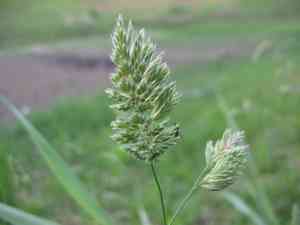
This enduring aquatic plant, recognized for its iris-like leaves and grouped floral clusters, needs very little trimming. Trim sword-leaved rush in the initial part of spring or during winter by eliminating deceased or compromised leaves to foster robust development and preserve a neat look. Sever faded flower stalks post-blossoming to redirect vitality towards root and leaf expansion. Regular trimming frequently boosts the plant's strength and can stimulate fresh growth. Always employ sanitized, sharp implements to avert the spread of pathogens.
What Are the Benefits of Pruning Sword-leaved Rush?
What Are the Benefits of Pruning Sword-leaved Rush?
Trimming sword-leaved rush encourages robust new development and preserves its compact form. This revitalizes sword-leaved rush and ensures a neater look, enhancing its garden appeal and vitality.
What Is the Best Time for Pruning Sword-leaved Rush?
What Is the Best Time for Pruning Sword-leaved Rush?
Trimming sword-leaved rush in early spring is optimal as it coincides with the onset of the plant's active growth period. This timing allows sword-leaved rush to quickly recover from pruning, ensuring energy is directed towards producing fresh, healthy growth as temperatures rise. Additionally, gardeners can easily identify and remove any winter damage before new growth begins. Pruning in winter, when sword-leaved rush is dormant and its growth has ceased, is also effective. This avoids unnecessary stress on sword-leaved rush and provides clear visibility of the plant's structure due to the absence of leaves, enabling more precise cuts and the removal of any dead or diseased material. Avoid pruning during flowering or fruiting phases, as this can negatively impact sword-leaved rush's health and vigor.
What Tools Do I Need to Prune Sword-leaved Rush?
Sharp scissors or snips
These are perfect for precisely trimming the grass-like leaves of sword-leaved rush, preventing unnecessary harm to the plants.
Bypass pruners
Ideal for cutting through thicker or more fibrous sections of sword-leaved rush, providing a clean cut that helps prevent disease.
Gardening gloves
Protects hands when handling sword-leaved rush, which may have sharp edges on mature foliage.
How to Prune Sword-leaved Rush
Sanitize
Before beginning to prune sword-leaved rush, clean and sterilize pruning tools to prevent disease transmission. Use a solution of 1 part bleach to 9 parts water or rubbing alcohol to disinfect the blades.
Identify
Carefully inspect sword-leaved rush for diseased or withered leaves. Look for any leaves that are discolored, spotted, or appear dry and brittle, in contrast to the healthy green and upright foliage typical of sword-leaved rush.
Trim
Using sharp and sanitized pruning shears, gently trim off the diseased and withered leaves at their base where they emerge from the main stem or soil. Ensure cuts are clean and avoid tearing the plant's tissue.
Dispose
Remove the cuttings from around sword-leaved rush. Properly dispose of diseased leaves, preferably by burning or bagging them, to prevent disease spread in the garden.
Cleanup
After pruning sword-leaved rush, clean your tools again to eliminate any potential pathogens. Also, tidy up the plant's surrounding area to maintain good airflow and hygiene around the plant.
Common Pruning Mistakes with Sword-leaved Rush
Overpruning
Removing too much foliage from sword-leaved rush can stress the plant and potentially lead to poor growth or reduced vigor.
Cutting too close
Making cuts too near the crown or base of sword-leaved rush can damage the plant's growing points, leading to disease or death of the plant.
Uneven pruning
Pruning sword-leaved rush unevenly can lead to an imbalanced aesthetic and may harm the plant's natural growing pattern.
Using dull blades
Pruning sword-leaved rush with dull tools can result in jagged cuts that are more susceptible to disease and pests.
Ignoring dead foliage
Failing to remove dead or dying leaves from sword-leaved rush can invite disease and pests, which can spread to healthy parts of the plant.
Common Pruning Tips for Sword-leaved Rush
Sharp tools
Always use sharp, clean pruning shears or scissors to make clean cuts on sword-leaved rush, which help prevent disease and damage to the plant.
Moderate pruning
To keep sword-leaved rush healthy, perform moderate pruning to remove only the dead or damaged foliage without eliminating too much of the plant at once.
Prune for shape
When pruning sword-leaved rush, aim to maintain its natural sword-like foliage shape for aesthetic appeal and to promote healthy growth patterns.
Compost prunings
After pruning sword-leaved rush, consider composting the healthy pruned material, which could benefit other areas of the garden as natural fertilizer.
Disinfect tools
To prevent the spread of disease, disinfect pruning tools before and after trimming sword-leaved rush by wiping them with a solution of one part bleach to nine parts water.



