How to Prune Baltic rush?
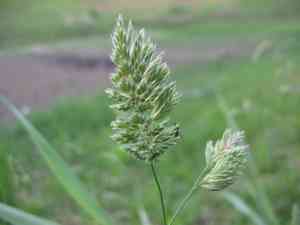
Baltic rush, a sturdy perennial featuring clumped stalks, flourishes in damp environments and is recognized for its grouped, rod-like stems. The most effective time for trimming is in early spring or winter, which is crucial for preserving the plant's well-being and curbing excessive expansion. Cut away any lifeless or injured stems at their foundation to stimulate fresh development. This trimming improves air movement, discourages infestations, and fosters an orderly growth pattern. Always employ sanitized, sharp implements to lessen trauma and avert the spread of illness to baltic rush.
What Are the Benefits of Pruning Baltic Rush?
What Are the Benefits of Pruning Baltic Rush?
Trimming baltic rush promotes robust development and maintains its desired shape. It stimulates new growth, ensuring a strong structure and appearance. Strategic cuts help manage its spread and size, enhancing health and vigor.
What Is the Best Time for Pruning Baltic Rush?
What Is the Best Time for Pruning Baltic Rush?
Pruning baltic rush in early spring is beneficial as it's a period of active growth, allowing the plant to quickly recover and produce new shoots after trimming. This season aligns with the end of dormancy, enabling shaping before energy is directed to new growth. Winter pruning, during dormancy, minimizes stress and disease transmission. At this time, it's also easier to identify and remove dead or damaged foliage without impacting plant vigor, as growth is paused and energy isn't focused on flowering or fruiting.
What Tools Do I Need to Prune Baltic Rush?
Sharp General-Purpose Pruning Shears
Given baltic rush's moderate stem thickness and grass-like nature, sharp, all-purpose pruning shears are crucial. These shears ensure a clean cut without fraying stems, encouraging healthy regrowth.
Garden Scissors
These are useful for more precise tasks, such as thinning out small, dense clumps of baltic rush. The accuracy provided by garden scissors helps access crowded growth without harming surrounding stems.
Long-Handled Loppers
For denser or hard-to-reach areas of baltic rush, long-handled loppers can be advantageous. They offer extra leverage and reach, making the pruning process more comfortable, especially for larger stands of baltic rush.
Hand Gloves
Wearing hand gloves is advisable to protect skin from potential cuts or irritation when handling baltic rush, ensuring a safe pruning experience.
How to Prune Baltic Rush
Inspect
Thoroughly examine baltic rush to identify diseased and withered leaves. Look for any signs of discoloration, spots, or visible damage on the foliage.
Sanitize
Disinfect your pruning tools with alcohol or a bleach solution to prevent the spread of disease during the trimming process.
Trim Diseased
Using sharp pruning shears, carefully remove diseased leaves. Make cuts close to the leaf's base, being careful not to harm the main stem or nearby healthy leaves.
Trim Withered
Remove withered leaves by gently pulling them from the plant if they detach easily, or use pruning shears if they remain firmly attached.
Dispose
Properly discard the trimmed diseased and withered leaves. Do not compost them as they might spread disease; instead, bag them and dispose of them with household waste.
Common Pruning Mistakes with Baltic Rush
Over-pruning
Removing too much foliage from baltic rush can stress the plant. Aim to prune no more than one-third of the plant at a time to prevent shock.
Wrong technique
Using incorrect cutting methods can harm baltic rush. Use sharp, clean pruning shears and cut at an angle away from the base to avoid crushing stems.
Neglecting dead material
Failure to remove dead or decaying material from baltic rush can attract pests and diseases. Regularly inspect and clear away unhealthy foliage.
Ignoring plant structure
Not considering baltic rush's natural form may lead to unattractive growth patterns. Prune to maintain the plant's inherent shape while promoting vitality.
Common Pruning Tips for Baltic Rush
Sharp tools
Use sharp, sanitized pruning shears for clean cuts, which help baltic rush recover quickly and prevent disease spread.
Selective thinning
Thin out crowded areas of baltic rush to improve air circulation and light penetration, both crucial for healthy growth.
Cutting angle
Make cuts on baltic rush at a slight angle to promote water runoff and reduce the chance of rot forming at the cut points.
Post-pruning care
After pruning baltic rush, ensure proper care by watering adequately and applying a balanced fertilizer to support recovery and robust growth.



