How to Prune Butternut?
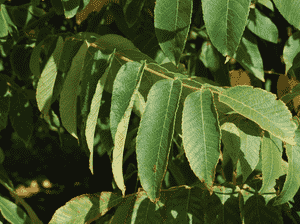
A deciduous arboreal species recognized for its unique nuts and prized timber, butternut necessitates trimming primarily to uphold its vitality and framework. Essential methods encompass excising deceased or ailing branches, reducing dense limbs to improve illumination and ventilation, and sculpting for visual appeal. Performing pruning during its dormant phase, in late winter or early spring, minimizes the spread of pathogens and encourages robust development in spring. Precise incisions aid in preventing bark damage. Advantages of pruning include enhanced nut yield and a diminished likelihood of fungal ailments.
What Are the Benefits of Pruning Butternut?
What Are the Benefits of Pruning Butternut?
Trimming butternut promotes robust development by eliminating dead or diseased wood, enhancing air circulation. It also aids in preserving the desired form, preventing excessive growth and potential structural issues.
What Is the Best Time for Pruning Butternut?
What Is the Best Time for Pruning Butternut?
These periods are considered ideal because in late winter, the plant is dormant, which lowers the risk of pruning stress and pathogen entry. In early spring, before the new growth cycle, pruning helps stimulate healthy new growth and maintain the tree's desired shape. Additionally, pruning before the sap begins to flow heavily in spring minimizes sap loss from cuts. Since butternut does not typically bloom in early spring, pruning at this time will not negatively impact its flowering or fruiting potential.
What Tools Do I Need to Prune Butternut?
Hand Pruners
For the smaller branches and twigs of butternut, utilize bypass hand pruners as they create cleaner cuts and lessen the chance of disease. The bypass blades operate like scissors, cutting without crushing plant tissue.
Loppers
For medium-sized branches, up to 2 inches in diameter, loppers are the preferred implement. Select compound-action loppers for extra leverage if butternutâs branches are on the thicker side.
Pruning Saw
For branches exceeding 2 inches, or when dealing with congested or crossing branches, a pruning saw is essential. Its sharp teeth can manage the hardwood of butternut and allow for precision in confined areas.
Pole Pruner
Given butternut can grow quite tall, pole pruners are useful for reaching higher branches without needing a ladder, ensuring safety and efficiency during the pruning process.
How to Prune Butternut
Step1: Assess Plant Health & Structure
Evaluate the overall health and structure of butternut prior to pruning. Look for indications of dead wood, disease infestation, and excessive lateral branches that might be creating an overcrowded canopy.
Step2: Gather & Disinfect Pruning Tools
Prepare the necessary implements, including sharp and clean pruning shears, loppers, and a fine-toothed saw for larger cuts. Ensure all tools are sanitized to prevent the spread of disease.
Step3: Identify & Mark Dead Wood
Identify dead wood by checking for branches that lack green, flexible growth or buds. Dead wood will often be brittle, dry, and may have bark peeling off.
Step4: Prune Dead Wood Cleanly
Remove dead wood first by making clean cuts just outside of the branch collar. Do not cut into the collar itself, as it is crucial for the wound healing process. Remove branches at a 45 to 60-degree angle to promote water runoff and deter disease.
Step5: Remove Diseased Branches
Examine butternut for any signs of illness, such as discoloration, cankers, or unusual growths. Prune diseased areas by cutting well below the affected portions, ideally back to healthy wood. Sterilize your tools after each cut to avoid spreading pathogens.
Step6: Select & Prune Problematic Lateral Branches
Assess butternut's lateral branches to determine if any are crossing, rubbing against each other, or growing inward towards the tree's center. These are prime candidates for pruning to enhance air circulation and sunlight penetration.
Step7: Proper Cutting Technique Near the Collar
When trimming excessive lateral branches, identify the branch bark ridge and the collar. Make cuts on the side of the branch that is away from the trunk, taking care not to harm the collar. Cuts should be made where the branch diameter is about one-third to one-half the diameter of the attached stem.
Step8: Thin Out the Canopy Strategically
Thin out the canopy of butternut by removing some of the lateral branches entirely, especially those growing vertically or that are less productive. Maintain the tree's natural shape and avoid over-thinning, as butternut benefits from a fuller canopy.
Step9: Clean Up & Dispose of Pruning Debris
After pruning, clear away all removed material from around butternut. Dispose of diseased branches properly to prevent any potential spread of disease.
Step10: Monitor Plant Post-Pruning
Observe butternut after pruning for signs of stress, disease, or unusual growth patterns, adjusting your pruning strategy in subsequent years based on the tree's response.
Post-Pruning Care for Butternut
Post-Pruning Care for Butternut
Immediately after pruning butternut, clean wounds should not be treated with wound paint; allow them to heal naturally. Position butternut in partial sun, ensuring no direct hot sunlight that can stress the pruned areas. Maintain ambient humidity and shield from strong winds. Water butternut deeply, avoiding waterlogged soil. Apply a balanced, slow-release fertilizer to aid in recovery, but avoid over-fertilization. Monitor for wilting, discoloration, or oozing sap, which can indicate stress or infection. If symptoms appear, consult a plant pathologist to address potential diseases promptly.
Common Pruning Mistakes with Butternut
Overly Aggressive Pruning Impacts Health
Trimming butternut too aggressively, which can lead to reduced vigor and production, as well as making the tree vulnerable to disease and pests.
Dull/Dirty Tools Damage Plants
Using dull or dirty pruning tools that can damage the branches and introduce disease to butternut.
Improper Cut Angles Can Cause Rot
Not making proper angled cuts, which can lead to water accumulation and increase the risk of rot or fungal infection.
Neglecting Weak Branches Threatens Integrity
Ignoring weak, damaged, or diseased branches during pruning, which can affect the overall health and structural integrity of butternut.
Improper Cuts Lead to Decay
Leaving stubs or making flush cuts against the trunk, which can prevent proper healing and lead to decay.
Common Pruning Tips for Butternut
Sanitize Tools to Prevent Disease
Sanitize pruning tools before and after use to prevent the spread of disease to butternut.
Clean, Angled Cuts for Healthy Regrowth
Aim to make clean, angled cuts just above a bud or branching point to promote healthy regrowth and prevent water accumulation.
Remove Dead Wood to Preserve Health
Focus on removing any dead, diseased, or damaged wood first to maintain the health of butternut.
Thin Out for Airflow and Light Penetration
Thin out crowded branches to ensure good air circulation and light penetration throughout butternut, which can reduce disease pressure and promote better nut production.
Conservative Pruning to Avoid Stress
Follow a conservative approach, usually not removing more than 20-25% of the canopy in a single season to avoid stressing butternut.
Proper Branch Shortening Ensures Healing
When shortening branches, cut back to a lateral branch that is at least one-third the diameter of the limb being removed to ensure the proper healing of butternut.
Maintain Shape with Structured Pruning
Remember to evaluate the overall shape and structure of butternut before pruning, and aim to maintain a central leader with well-spaced lateral branches.



