How to Prune Peregrina?
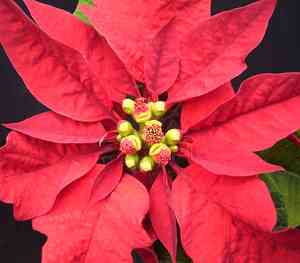
Peregrina, with its vivid pink blossoms and persistent foliage, flourishes when trimmed to preserve its form and stimulate denser development. Essential pruning methods involve reducing congested branches and shortening elongated stalks. The ideal period for pruning is from late spring to early summer, following its flowering cycle, to foster fresh growth. Pruning boosts flowering and overall plant health, yet refrain from severe cuts to uphold its inherent shape.
Advantages of Trimming Peregrina
Advantages of Trimming Peregrina
Trimming peregrina fosters abundant flowering and aids in disease prevention, sustaining plant vitality while creating an attractive form.
Optimal Period for Pruning Peregrina
Optimal Period for Pruning Peregrina
These periods are considered ideal as they coincide with peregrina's post-flowering phase, when the plant has completed its main bloom but is still actively growing, ensuring rapid recovery. Pruning at this time allows the plant to direct energy towards new growth and the development of future season's flowers. Late spring and early summer pruning also help maintain the plant's desired shape and size, prevent excessive growth, and eliminate any winter frost damage. Furthermore, it's crucial to avoid pruning peregrina in late autumn or winter, as new growth can be vulnerable to cold damage. This timing aligns with peregrina's growth cycle, promoting robust health and optimal flowering in the subsequent season.
Necessary Tools for Pruning Peregrina
Bypass Pruners
Perfect for cutting through peregrina's relatively slender stems, bypass pruners create clean cuts without crushing plant tissue, encouraging healthy regrowth.
Lopping Shears
For larger branches that bypass pruners cannot manage, lopping shears offer the extra leverage needed to make clean cuts on peregrina, ensuring precise control over the plant's shape.
Pruning Saw
When peregrina has matured and developed thick branches, a pruning saw becomes essential to cut through wood too tough for loppers or hand pruners, allowing the removal of larger limbs with minimal plant damage.
Gardening Gloves
Protecting hands from peregrina's sap and thorns is important during pruning; gloves also provide a better grip on tools for safety and accuracy.
Pruning Sealer
Though not a tool, a pruning sealer is vital after cutting large peregrina branches, to guard against diseases and pests entering open wounds.
How to Prune Peregrina
Step1: Health and Structure Assessment
Evaluate peregrina's overall health and structure before starting to prune. This involves checking the plant for dead branches, spent flowers, and thin stems. Also, observe the plant's natural form to guide your pruning.
Step2: Pruning Tool Preparation
Gather the appropriate tools including sharp, clean pruning shears, loppers, and gloves. Sanitize tools with alcohol or a bleach solution to prevent disease transmission.
Step3: Dead Branch Removal
Begin by removing all dead branches. Cut these branches where they meet healthy wood. Make the cut just above a lateral branch or bud facing the desired direction of new growth.
Step4: Deadheading Spent Flowers
Proceed to trim off spent flowers, also known as deadheading. Make cuts approximately 1/4 inch above a leaf node to stimulate new growth and potentially more blooms.
Step5: Thinning Weak Stems
Identify and cut back thin stems that are too weak to support flowers or contribute to an overcrowded plant structure. Remove these stems entirely or cut them back to a strong lateral branch.
Step6: Shape Maintenance and Growth Promotion
Shape peregrina to maintain its natural habit while encouraging healthy growth. Avoid excessive pruning, which can stress the plant. Instead, focus on creating an open center to improve air circulation and light penetration.
Step7: Disposal of Pruned Material
Properly dispose of all pruned material to prevent any potential disease spread. Additionally, clean your tools again after finishing to keep them in good condition.
Step8: Post-Pruning Plant Care
After pruning, water peregrina thoroughly and provide it with a balanced fertilizer to support its recovery and new growth.
Post-Pruning Care for Peregrina
Post-Pruning Care for Peregrina
Immediately after pruning peregrina, apply a thin layer of mulch to retain moisture. Ensure peregrina receives dappled sunlight, maintaining temperatures of 60-85°F and high humidity. Water sparingly until new growth appears. After two weeks, apply a balanced, slow-release fertilizer to promote recovery. Regularly inspect the cuts for signs of infection, such as discoloration or oozing. Should these symptoms arise, treat promptly with a suitable fungicide. Monitoring peregrina's response is crucial for its post-pruning health.
Common Pruning Mistakes with Peregrina
Over-pruning can stress and weaken plants
Pruning peregrina too severely at once can stress the plant, potentially leading to reduced vigor or a lack of flowering. This mistake can also make the plant more susceptible to pests and diseases.
Avoid cutting into old wood to prevent damage
Cutting into old wood during pruning can damage peregrina, as it may not regenerate from such cuts. Gardeners should focus on shaping the plant and removing only the necessary growth.
Use clean, sharp tools to prevent disease
Neglecting to use clean, sharp tools when pruning peregrina can cause jagged cuts that leave the plant vulnerable to infections and diseases. Blunt tools can also result in unnecessary damage to the plant tissue.
Common Pruning Tips for Peregrina
Make clean cuts with sharp tools for healing
Use sharp, clean pruning shears to make clean cuts when trimming peregrina, which helps to promote quick and proper healing of the cut areas, reducing the risk of disease.
Remove dead branches first, then shape
When pruning peregrina, focus on removing dead or diseased branches first to maintain plant health and encourage growth, and then proceed to shape the plant according to the desired form.
Practice light, regular pruning for plant health
Incorporate light regular pruning rather than infrequent heavy pruning for peregrina, which encourages new growth and a more natural shape while preventing stress on the plant.



