How to Prune Bellyache bush?
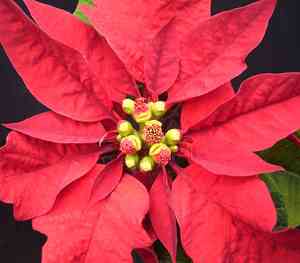
A tropical woody plant, frequently identified by its vivid blossoms and divided foliage, bellyache bush necessitates consistent trimming to preserve its form and foster robust development. The most suitable times for pruning extend from spring to autumn, facilitating vigorous regeneration. Essential methods involve reducing crowded leaves, eliminating impaired or infected limbs, and cutting back to stimulate a more compact habit. Pruning improves air movement and light exposure, which are vital for the bellyache bush's well-being. It is imperative to safely discard all cuttings, as bellyache bush is poisonous if consumed.
What Are the Benefits of Pruning Bellyache Bush?
What Are the Benefits of Pruning Bellyache Bush?
Trimming bellyache bush promotes more blossoms, stimulates vigorous development, and preserves its shape, preventing excessive growth and enhancing garden appeal.
What Is the Best Time for Pruning Bellyache Bush?
What Is the Best Time for Pruning Bellyache Bush?
Trimming bellyache bush in late Spring, once frost danger has passed, allows the plant to recover and generate new growth during its active season. Early Fall pruning is also beneficial, preparing bellyache bush for dormancy by removing any diseased or damaged parts, which are often more prevalent after summer. Pruning during these periods aligns with bellyache bush's growth cycle, typically avoiding flowering and fruiting, thus preserving the plant's ornamental and reproductive features. It also minimizes stress and maximizes the plant's health and vitality, crucial for its year-round growth and development.
What Tools Do I Need to Prune Bellyache Bush?
Hand Pruners
Perfect for making clean cuts on stems and smaller branches of bellyache bush. They offer the precision and control needed for shaping and removing dead or damaged leaves.
Lopping Shears
Suitable for cutting thicker branches of bellyache bush that hand pruners cannot manage. Their long handles provide leverage to easily trim larger growth.
Pruning Saw
Essential for removing mature branches and stems of bellyache bush that are too thick for lopping shears. A saw ensures clean cuts on woody parts without harming surrounding growth.
Gloves
Protective gear to shield hands from bellyache bush's toxic sap and thorns, if present, during pruning.
Cleaning Solution
Important for sanitizing tools after pruning bellyache bush to prevent disease spread. A simple bleach or alcohol solution works effectively.
How to Prune Bellyache Bush
Disinfect Tools
Before pruning bellyache bush, clean and sanitize all pruning tools to prevent disease transmission. Use a bleach or alcohol solution to thoroughly wipe the blades.
Remove Diseased Leaves
Carefully inspect bellyache bush for any diseased leaves, which may appear discolored or distorted. Using your disinfected pruning shears, snip the diseased leaves at the base where the leaf stem meets the branch, being careful not to damage healthy tissue.
Trim Withered Leaves
Identify withered or yellowed leaves on bellyache bush. Cut these leaves back to their origin point or to the nearest healthy leaf to encourage new growth and improve air circulation within the plant.
Cut Withered Flowers
Locate withered flowers on bellyache bush, which may attract pests if left unpruned. Using your shears, clip off the spent flowers at their base, making cuts just above the nearest leaf node to promote healthy new blooms.
Clean Up
After pruning bellyache bush, remove all cuttings from the surrounding area to reduce disease risk and keep the space tidy. Dispose of diseased plant material properly, ideally by burning or bagging, to prevent reinfection or pest issues.
Common Pruning Mistakes with Bellyache Bush
Over Pruning
Cutting back bellyache bush too severely can stress the plant, impede its growth, and reduce its ability to thrive. Novice gardeners often make the mistake of aggressive pruning, which can lead to fewer blooms and a weakened plant structure.
Using Dull Tools
Pruning bellyache bush with dull blades can result in jagged cuts that are more vulnerable to disease and pests. Clean and sharp tools are crucial for making precise cuts that heal quickly.
Improper Cut Placement
Bellyache bush requires cuts to be made at the correct location, close to a leaf node or stem intersection. Incorrect cuts too far from these points can leave unsightly stubs that may not heal properly or sprout unwanted growth.
Pruning Healthy Growth
Removing healthy branches or foliage without a clear horticultural purpose may limit the flowering potential and overall health of bellyache bush. Experienced gardeners know to focus on damaged or diseased growth.
Ignoring Plant Structure
Failing to consider the natural growth habit and structure of bellyache bush can result in an unbalanced shape. It's crucial to prune with an understanding of the plant's form for aesthetic and health reasons.
Common Pruning Tips for Bellyache Bush
Selective Thinning
Carefully thin out crowded branches to increase air circulation and light penetration, which are essential for promoting healthy growth in bellyache bush. This targeted approach to pruning helps maintain the plant's natural shape.
Sanitize Tools
Before making any cuts, sanitize pruning tools to prevent the spread of disease. This practice is vital for both novice and seasoned gardeners to protect the health of bellyache bush.
Cutting Technique
Prune bellyache bush with angled cuts just above the leaf nodes or branching points to encourage new growth. This method promotes healing and directs the plant's energy into producing more foliage and flowers.
Regular Maintenance
Perform regular check-ups and light pruning on bellyache bush to remove any dead or dying foliage, which can help in preventing many common pest and disease issues. This also keeps bellyache bush looking tidy and well-maintained.
Respecting Growth Cycles
While timing has been excluded, understanding the growth patterns of bellyache bush is still crucial. Prune in a way that supports these cycles, focusing on removing only what is necessary to improve plant health and vigor.



