How to Prune Arabian jasmine?
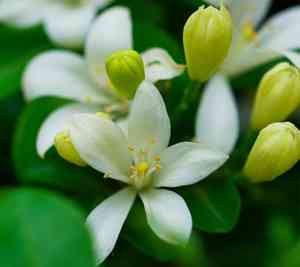
This perennial bush is celebrated for its powerfully scented, white blossoms. For arabian jasmine, perform pruning right after its flowering period, usually in late spring or early summer, to stimulate development and bloom generation. Removing faded flowers encourages ongoing blossoming. Cut back to sculpt and control its dimensions, or to eliminate ailing or compromised branches. Reducing crowded central areas improves light access and air movement, which benefits the plant's well-being. Consistent trimming is crucial for fostering revitalization and improving the plant's visual attractiveness.
What Are the Benefits of Pruning Arabian Jasmine?
What Are the Benefits of Pruning Arabian Jasmine?
Trimming arabian jasmine promotes abundant flowering and deters pests and diseases by eliminating old or unhealthy foliage, boosting plant vitality.
What Is the Best Time for Pruning Arabian Jasmine?
What Is the Best Time for Pruning Arabian Jasmine?
These periods are considered ideal for trimming arabian jasmine for several reasons. In late spring, arabian jasmine has typically finished its initial growth surge, making it simpler to identify and remove any unhealthy or overgrown branches without affecting the plant's overall vigor. Early summer is also suitable as it follows arabian jasmine's main blooming phase, allowing gardeners to shape the plant and encourage further blossoms without sacrificing current flowers. Pruning during these seasons fosters robust growth and helps maintain arabian jasmine's desired form, ensuring adequate sunlight and air circulation throughout the plant. It also reduces disease risk by removing any potentially infected parts before wetter months, which can promote pathogens. Proper timing aligns with the plant's natural growth cycle, supporting strong development and plentiful blooms in the subsequent season.
What Tools Do I Need to Prune Arabian Jasmine?
Hand Pruners (Secateurs)
Perfect for cutting delicate stems and branches of arabian jasmine up to 3/4 inches in diameter. Ensures clean cuts for healthy regrowth.
Pruning Shears
Excellent for shaping and maintaining the desired form of arabian jasmine, allowing precise cuts without damaging the plant.
Gloves
Protects hands from thorns and sap while pruning arabian jasmine, ensuring safety during the process.
Garden Scissors
Useful for snipping off dead or yellowed leaves from arabian jasmine, especially in tight spaces where larger tools won't fit.
Pruning Saw
Suitable for removing thicker, woody stems of mature arabian jasmine plants that secateurs cannot handle.
How to Prune Arabian Jasmine
Step1: Assessment and Timing for Pruning
Evaluate arabian jasmine before pruning to identify parts needing trimming, such as diseased stems, old flowers, and leggy stems. Ensure the plant is at the correct stage for pruning, ideally after flowering.
Step2: Tool Sterilization
Sanitize your pruning tools with alcohol or a bleach solution to prevent the spread of plant diseases.
Step3: Diseased Stem Removal
Begin by removing any diseased stems. Cut these stems back to a healthy section of the plant, ensuring the entire affected area is removed. Cuts should be made at a 45-degree angle just above a leaf node, where a leaf or branch is attached to the stem.
Step4: Deadheading Spent Flowers
Trim old flowers to encourage more blooming. Make a clean cut just above the first set of full, healthy leaves below the spent flower. This will prompt arabian jasmine to produce new growth and more flowers.
Step5: Leggy Stem Trimming
Identify leggy stems, which are stems that have grown long and thin with sparse leaves. To encourage bushier growth, cut these stems back by up to one-third of their length, making diagonal cuts just above a leaf node.
Step6: Thinning for Air and Light
Thin out crowded areas to improve air circulation and light penetration. Remove some of the inner stems by cutting them back to their point of origin or to the main stem.
Step7: Selective Shaping
Gently shape arabian jasmine by selectively pruning to maintain the desired structure or form. Avoid over-pruning to prevent stress on the plant.
Step8: Post-Prune Cleanup
After pruning, clear away all cuttings and debris from around arabian jasmine to deter pests and diseases.
Step9: Hydration after Pruning
Water arabian jasmine sufficiently after pruning, as it will need hydration to recover and support new growth.
Step10: Post-Pruning Monitoring and Care
Monitor arabian jasmine after pruning for any signs of stress or disease and provide proper care, including sun, water, and possibly a dose of balanced fertilizer to support recovery and new growth.
Post-Pruning Care for Arabian Jasmine
Post-Pruning Care for Arabian Jasmine
Immediately after pruning, arabian jasmine should be placed in a location with filtered sunlight to prevent stress; full sun exposure can resume gradually. Maintain humidity around arabian jasmine with regular misting, and keep temperatures consistent, avoiding cold drafts. Apply a balanced, diluted fertilizer to support recovery and encourage growth. Monitor arabian jasmine for wilting or discolored leaves as signs of stress or infection. If such symptoms appear, inspect for pests and diseases, and treat accordingly with appropriate horticultural methods.
Common Pruning Mistakes with Arabian Jasmine
Avoid Over-Pruning to Preserve Plant Health
Excessive pruning, which can stress arabian jasmine and lead to reduced flowering or plant vigor.
Prevent Cutting into Old Wood for Better Shoots
Cutting into old wood which may not produce new shoots easily, as arabian jasmine flowers on the current season's growth.
Sterilize Tools to Control Disease Spread
Not sterilizing pruning tools before use, increasing the risk of spreading diseases to arabian jasmine.
Prune with Clear Goals for Desired Plant Shape
Pruning without a clear objective, leading to an undesirable plant shape or size.
Remove Diseased or Dead Material for Healthy Growth
Ignoring diseased or dead material which can hinder arabian jasmine's growth and health.
Thin Interior Branches for Light and Air Flow
Neglecting to thin out the interior branches, resulting in poor air circulation and light penetration.
Common Pruning Tips for Arabian Jasmine
Make Clean Cuts with Sharp, Sterile Shears
Use sharp, clean pruning shears to make precise cuts, minimizing damage and enabling quicker healing for arabian jasmine.
Remove Dead or Diseased Foliage for Plant Health
Focus on removing any dead or diseased foliage and branches to maintain arabian jasmine's health and aesthetic appeal.
Prune After Flowering for Shape and Growth
Prune arabian jasmine immediately after flowering to shape the plant and encourage new growth, without affecting the next season's blooms.
Improve Airflow and Light with Targeted Thinning
Thin out crowded areas to improve air circulation and light penetration, essential for healthy growth and flowering.
Cut at 45-Degree Angle Above Leaf Node for Growth
Make cuts at a 45-degree angle just above a leaf node where new growth can emerge, enhancing arabian jasmine's overall shape and size.
Deadhead Spent Flowers to Promote Blooming
Regularly deadhead spent flowers to encourage arabian jasmine to produce more blooms.



