How to Prune Pink jasmine?
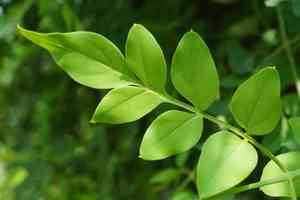
A favored evergreen climber, pink jasmine is recognized by its groupings of aromatic pink blossoms. To ensure vigorous health and abundant blooms, trim after the flowering period to sculpt and manage its expansion. Consistent removal of unruly or lifeless stems boosts its vitality. Pruning throughout the year is acceptable, but significant cuts are most effective following the bloom cycle. Trimming encourages new leaves and can revitalize an excessively large plant, guaranteeing a dense, appealing look.
What Are the Benefits of Pruning Pink Jasmine?
What Are the Benefits of Pruning Pink Jasmine?
Trimming pink jasmine promotes abundant blooms, manages its vigorous growth to maintain desired form, and ensures robust overall health by improving air circulation and light penetration.
What Is the Best Time for Pruning Pink Jasmine?
What Is the Best Time for Pruning Pink Jasmine?
Pruning pink jasmine in late winter or early spring is optimal, as it precedes the new growth phase. This timing allows for shaping the plant and removing any dead or crowded branches, fostering healthier development and enhancing flowering. Pruning immediately after the blooming season concludes can also be advantageous, giving pink jasmine time to produce new growth that will bear flowers next season. It's crucial to avoid heavy pruning late in the growing season, as this can diminish the number of blooms. Regular light pruning can be performed throughout the growing season to maintain the desired shape and size.
What Tools Do I Need to Prune Pink Jasmine?
Hand Pruners
Perfect for cutting the slender, flexible stems of pink jasmine, hand pruners enable precise trimming and easy handling.
Bypass Pruners
These pruners operate like scissors, delivering clean cuts without crushing stems, which encourages healthier regrowth in pink jasmine.
Pruning Saw
For thicker stems that hand pruners cannot manage, a pruning saw provides clean cuts without harming surrounding areas of pink jasmine.
Long-Handled Loppers
For branches that are hard to reach and to provide extra leverage when trimming thicker branches of pink jasmine, which aids in growth control and shaping.
Gardening Gloves
To safeguard the gardener's hands from thorns and sap while pruning pink jasmine.
Pruning Shears
For more delicate shaping or detailed work on pink jasmine where a lighter touch is necessary.
Garden Scissors
Useful for snipping off dead or yellowing leaves from pink jasmine without harming the plant.
How to Prune Pink Jasmine
Step1: Health and Structure Assessment
Evaluate the overall health and structure of pink jasmine before pruning, noting old blooms, dead wood, damaged stems, and weak shoots that require removal.
Step2: Prepare Pruning Tools
Ensure your pruning shears or secateurs are clean and sharp to make precise cuts, which aids in proper healing.
Step3: Remove Old Blooms
Start pruning by removing any spent blooms from pink jasmine. Cut the faded flowers back to just above the first set of healthy leaves to stimulate new growth and flowering.
Step4: Dead Wood Removal
Identify dead wood by looking for brittle, leafless, or discolored branches. Make cuts at a 45-degree angle approximately 1/4 inch above a live bud or branch to remove dead wood, being careful not to harm healthy parts.
Step5: Damaged Stems Pruning
Carefully inspect pink jasmine for any damaged stems caused by pests, diseases, or physical injury. Prune these stems back to healthy tissue to prevent the spread of damage. Similar to previous steps, make your cuts at a 45-degree angle just above a live bud or node.
Step6: Weak Shoots Thinning
Locate weak shoots that do not contribute to the plant's overall framework and may be diverting energy from stronger growth. Remove these weak shoots entirely or cut them back to where they join a stronger stem.
Step7: Shaping and Trimming
After removing the specified parts, examine pink jasmine for its overall shape. Perform light shaping of the plant by selectively trimming overgrown branches to maintain the desired form. Remember, making smaller, more frequent trims is better than heavy, infrequent pruning for the health of pink jasmine.
Step8: Cleaning Pruning Equipment
Clean your pruning tools after finishing with pink jasmine to prevent the spread of any potential diseases to other plants.
Step9: Disposal of Pruned Material
Discard the pruned material, especially diseased or damaged parts, to prevent any chance of disease spread within your garden.
Step10: Post-Pruning Monitoring
After pruning, observe pink jasmine over the following weeks to ensure it is responding well, showing signs of new growth as a result of the pruning.
Post-Pruning Care for Pink Jasmine
Post-Pruning Care for Pink Jasmine
Immediately after pruning pink jasmine, ensure the plant is in a well-lit area but not in direct sunlight, to minimize stress. Maintain consistent humidity and a temperature range of 60-75°F to aid recovery. Water the soil when the top inch feels dry, avoiding overwatering. Apply a balanced, water-soluble fertilizer to nourish pink jasmine without encouraging excessive new growth too quickly. Monitor pink jasmine for wilting, discolored leaves, or signs of infection. If symptoms appear, adjust care and consider consulting a plant specialist.
Common Pruning Mistakes with Pink Jasmine
Over-Pruning Stresses Plant and Reduces Flowering
Pruning too aggressively, which can stress pink jasmine and hinder its ability to flower properly.
Failure to Remove Dead or Diseased Growth
Neglecting to remove dead or diseased growth, which can impair the health and appearance of pink jasmine.
Using Dull or Dirty Tools Causes Jagged Cuts
Using dull or dirty pruning tools, leading to ragged cuts and an increased risk of disease.
Lack of Clear Goal in Pruning Affects Plant Shape
Pruning without a clear objective, resulting in an undesirable shape or size that may not complement the natural growth habit of pink jasmine.
Ignoring Weak Stems Drains Plant Energy
Ignoring weak or spindly stems, which can deplete energy from pink jasmine and detract from its vigor.
Common Pruning Tips for Pink Jasmine
Use Sharp, Clean Shears for Healthy Cuts
Use sharp, clean pruning shears to make precise cuts that heal quickly and reduce the risk of disease.
Prune Overgrown Stems for Better Air and Light
Identify and trim back overgrown or tangled stems to maintain air circulation and allow light to reach the center of pink jasmine, which promotes healthy growth.
Promptly Remove Dead or Diseased Stems
Remove dead, diseased, or damaged stems as soon as they are noticed to keep pink jasmine looking neat and reduce the spread of potential issues.
Prune According to Natural Shape for Best Flowering
Follow the natural shape of pink jasmine when pruning to enhance its ornamental appeal while encouraging robust flowering.
Prune Just Above Leaf Nodes for Full Growth
When thinning out dense growth, be sure to prune just above a leaf node where new shoots can emerge, ensuring a fuller and more attractive pink jasmine.



