How to Prune Common jasmine?
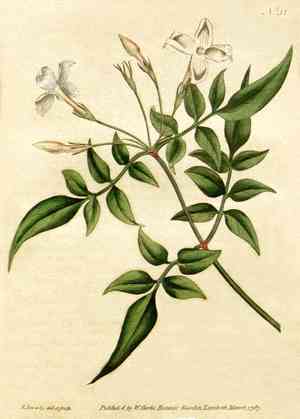
A perfumed, vining plant, common jasmine thrives with white, star-like blossoms. Optimal pruning occurs in early spring or late winter; choose deceased, injured, or overly dense branches for elimination to stimulate robust development. Trim back elongated stems that have completed their flowering cycle to preserve form and dimensions. Consistent trimming improves air movement and well-being, lowers the chance of illness, and encourages more abundant flowering. It is crucial to employ sanitized, keen implements for accurate incisions, safeguarding common jasmine's fragile framework.
Advantages of Trimming Common Jasmine
Advantages of Trimming Common Jasmine
Trimming common jasmine promotes robust development and maintains its form. Strategic cuts stimulate fresh shoots, leading to denser foliage and enhanced air circulation, which can lower disease risk. Regular trimming also aids in size management, fostering a more visually appealing structure.
Optimal Time for Pruning Common Jasmine
Optimal Time for Pruning Common Jasmine
Late winter and early spring are ideal for pruning common jasmine for several reasons. During late winter, the plant is dormant, minimizing stress on common jasmine and reducing the chance of disease transmission through pruning cuts. This timing also prevents the removal of the current year's flower buds, which are set to bloom in spring. Early spring pruning, just before the start of the growing season, allows the gardener to shape the plant and remove any dead or damaged wood from winter weather. It provides common jasmine with a clean start for vigorous spring and summer growth, directing the plant's energy to new foliage and flowers. Pruning in these seasons allows for better wound healing and supports the overall health and aesthetic form of common jasmine.
Required Tools for Pruning Common Jasmine
Hand Pruners
Perfect for making precise cuts on common jasmine's slender stems, ensuring clean snips that encourage healthy regrowth.
Pruning Saw
Useful for cutting through thicker, woody stems that hand pruners cannot manage for common jasmine.
Gloves
Protect hands from thorns and sap while pruning common jasmine, enhancing safety and comfort.
Loppers
Extend reach for higher or deeper branches of common jasmine without overextending the arms, providing extra leverage for thicker stems.
Pruning Shears
Best for shaping common jasmine and controlling its spread, allowing for quick snips on smaller shoots and vines.
How to Prune Common Jasmine
Clean
Clean and sanitize your pruning shears before starting to prevent transferring diseases to common jasmine. Use a solution of 1 part bleach to 9 parts water or rubbing alcohol to wipe down the blades thoroughly.
Remove Diseased Leaves
Carefully identify and remove any leaves that show signs of disease on common jasmine. Make angled cuts to remove the entire leaf, including the petiole, to ensure no diseased tissue remains.
Trim Withered Leaves
Locate and trim off withered leaves from common jasmine. Use clean, sharp shears and cut at the base of the leaf where it meets the stem. This will promote healthier growth and better air circulation around the plant.
Thin
Gently thin out overcrowded areas to improve light penetration and air flow around common jasmine. Remove some of the older stems near the base of the plant, ensuring to make clean cuts without damaging nearby stems.
Shape
Finally, shape common jasmine by trimming any long or unruly branches to maintain the desired form of the plant. Use selective pruning, cutting just above a leaf node to encourage bushier growth.
Common Pruning Errors with Common Jasmine
Over Pruning
Removing too much growth from common jasmine in one session can shock the plant and cause poor growth or reduced blooming. Typically, no more than a third of the plant should be pruned at a time.
Improper Cut Locations
Cutting common jasmine too far above a bud can leave a dead stub, while cutting too close can damage the bud. Aim to make cuts just above the leaf nodes at a 45-degree angle.
Using Dull Or Dirty Tools
Dull tools can crush stems of common jasmine, leading to infection or disease. Dirty tools can transfer pests or diseases from other plants. Always use sharp, clean pruning shears.
Neglecting To Prune
Failing to prune common jasmine can result in a plant that is leggy, overgrown, and potentially lacking in optimal flower production.
Pruning Without A Plan
Starting to prune common jasmine without having a clear plan can lead to over-pruning, uneven growth, and a poorly shaped plant. Visualize the desired outcome before starting.
Ignoring Diseased Or Dead Material
Not removing diseased, dead, or damaged material from common jasmine can lead to further decay and disease spread throughout the plant.
General Pruning Advice for Common Jasmine
Selective Pruning
Evaluate and selectively prune overgrown or undesirable branches on common jasmine to shape the plant and encourage new growth where desired.
Encouraging Airflow
Thin out dense areas to improve airflow within common jasmine, which reduces the risk of fungal diseases.
Promoting New Blooms
Prune expired flowers and old wood on common jasmine to stimulate new growth and flower production.
Tool Preparation
Before pruning common jasmine, ensure all tools are sharpened and sterilized to prevent damage or disease spread.
Follow Natural Form
When pruning common jasmine, follow its natural growth habit for a pleasing shape and to promote healthy growth patterns.
Rejuvenation Pruning
Occasionally, common jasmine may benefit from more aggressive pruning to rejuvenate an old or overgrown plant. This involves cutting back the plant significantly to encourage new growth from the base.
Monitor Plant Health
After pruning, monitor common jasmine for signs of new growth or any distress, adjusting care as necessary to support recovery and vitality.



