How to Prune Spanish jasmine?
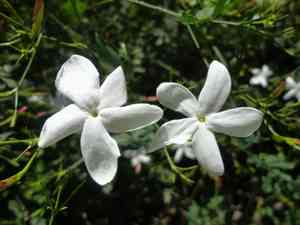
A beloved decorative plant recognized for its aromatic white blossoms, spanish jasmine flourishes with consistent trimming. Essential methods involve reducing dense branches, sculpting the plant, and removing faded flowers. Perform pruning in late spring or early summer, once blooming concludes, to stimulate development and the subsequent season's flowers. Important points include sanitizing pruning implements to avert illness spread and refraining from excessive trimming, which might diminish flower production. Pruning improves air movement and preserves an appealing structure, contributing to spanish jasmine's general well-being and visual charm.
What Are the Benefits of Pruning Spanish Jasmine?
What Are the Benefits of Pruning Spanish Jasmine?
Trimming spanish jasmine is essential for promoting abundant flowering by reallocating energy towards bloom development. It also aids in pest and disease management by eliminating affected or vulnerable areas, thereby sustaining a robust, healthy plant.
What Is the Best Time for Pruning Spanish Jasmine?
What Is the Best Time for Pruning Spanish Jasmine?
Trimming spanish jasmine from late spring to early summer coincides with its post-flowering phase. This timing allows for the removal of faded blooms and stimulates new growth, which is crucial for spanish jasmine as it flowers on new wood. Pruning too late in the season can remove flower buds forming for the next year. During this optimal period, the weather is favorable, lessening stress on spanish jasmine and reducing the risk of disease infections that are more common in damp or colder periods. By adhering to this pruning schedule, gardeners enhance the health and vitality of spanish jasmine, ensuring plentiful blooms in the subsequent season.
What Tools Do I Need to Prune Spanish Jasmine?
Hand Pruners
Perfect for cutting smaller, thinner stems and branches. Choose bypass pruners for clean cuts without harming spanish jasmine's delicate growth.
Lopping Shears
Recommended for severing thicker branches that hand pruners cannot manage, ensuring that spanish jasmine's sturdier stems are trimmed effectively.
Pruning Saw
Required for larger branches too thick for lopping shears, enabling precise cuts without causing stress to spanish jasmine.
Gloves
Offers hand protection from thorns and rough branches while trimming spanish jasmine.
Pruner Sharpener
Keeps the blades of pruners and shears sharp for clean cuts, minimizing the risk of disease and damage to spanish jasmine.
How to Prune Spanish Jasmine
Clean Tools
Before trimming spanish jasmine, sanitize all pruning tools with a bleach and water solution or rubbing alcohol to prevent disease transmission.
Remove Dead Material
Cut away any dead branches, withered leaves, and diseased sections using clean, sharp shears. Make cuts at a 45-degree angle to encourage healing and prevent water accumulation.
Shape Plant
Trim excessive growth branches to shape spanish jasmine and maintain a desired size. Focus on removing branches that are rubbing against each other to improve air circulation.
Trim Flowers
Remove faded flowers by snipping the stem just above the first full leaf below the spent flower to encourage more blooms.
Disposal
Dispose of all removed material away from spanish jasmine to prevent any potential disease spread. Do not compost diseased plant parts.
Common Pruning Mistakes with Spanish Jasmine
Over-Pruning
Removing too much foliage at once can stress spanish jasmine, reducing its vigor and bloom potential. It's crucial to prune no more than one-third of the plant at a time to maintain its health.
Improper Cut Placement
Cuts made too far from a bud can lead to dead stubs, while cuts too close can damage the bud. Always cut just above an outward-facing bud to encourage proper shape and airflow.
Using Dull Tools
Pruning with dull or unclean tools can cause jagged cuts that are more susceptible to disease and pests. Always use sharp, clean pruning tools for clean cuts and reduced plant stress.
Ignoring Dead Or Diseased Wood
Failing to remove dead, diseased, or damaged branches can hinder spanish jasmine's growth and health. Such wood should always be pruned away to maintain a healthy plant.
Pruning For Size Alone
Pruning spanish jasmine solely to control its size can result in a dense outer layer of foliage, which reduces light and air circulation to the plant's interior, potentially affecting flowering.
Common Pruning Tips for Spanish Jasmine
Selective Thinning
Spanish jasmine benefits from thinning out crowded branches. This improves light penetration and air circulation, encouraging healthy growth and flowering.
Maintain Natural Shape
Prune spanish jasmine by following its natural growth habit rather than forcing it into an unnatural shape. This reduces stress and promotes more graceful, natural growth.
Rejuvenation Pruning
Periodic rejuvenation pruning can help invigorate older spanish jasmine plants. Remove older stems to ground level, allowing younger, more vigorous shoots to flourish.
Encourage New Growth
Prune just above a leaf node where new growth is desired. This will stimulate spanish jasmine to produce new shoots, leading to denser foliage and more blooms.
Regular Deadheading
Regularly remove spent flowers from spanish jasmine to encourage further blooming, as deadheading prevents the plant from putting energy into seed production.



