How to Prune Yellow bristle-hair ixeris?
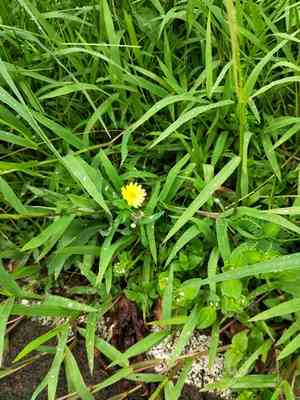
A perennial herb featuring vibrant yellow blossoms, yellow bristle-hair ixeris flourishes with consistent trimming to sustain its well-being and robustness. Trimming in early spring, precisely when fresh shoots emerge, fosters denser growth and boosts bloom production. Throughout the summer, remove faded flowers to encourage uninterrupted blooming. Eliminate aged or compromised leaves to deter illness. Pruning not only sculpts yellow bristle-hair ixeris but also invigorates new development, guaranteeing a dense and appealing look.
What Are the Benefits of Pruning Yellow Bristle-hair Ixeris?
What Are the Benefits of Pruning Yellow Bristle-hair Ixeris?
Trimming yellow bristle-hair ixeris promotes robust development and maintains its desired form. By eliminating old or overgrown stems, new growth is encouraged, resulting in a more vigorous and visually appealing plant.
What Is the Best Time for Pruning Yellow Bristle-hair Ixeris?
What Is the Best Time for Pruning Yellow Bristle-hair Ixeris?
Trimming yellow bristle-hair ixeris in Spring is advantageous as it marks the start of the plant's active growth period. Removing dead or overgrown branches fosters healthier, stronger growth, allowing the plant to channel energy into producing robust new shoots. Since yellow bristle-hair ixeris typically blooms the following summer, Spring pruning also aids in shaping the plant and enhancing future flowers. Summer pruning, conducted after the flowering phase, is crucial for yellow bristle-hair ixeris to retain an attractive shape, remove spent blossoms, and potentially stimulate a second bloom cycle. It also helps prevent diseases by improving air circulation and light penetration within the plant's foliage. Pruning during these seasons aligns with the plant's natural cycle and boosts vitality without hindering its growth or flowering potential.
What Tools Do I Need to Prune Yellow Bristle-hair Ixeris?
Hand Pruners
Perfect for making precise cuts on yellow bristle-hair ixeris's stems, minimizing plant damage. Opt for bypass pruners, which offer clean cuts and are superior for live plants compared to anvil pruners.
Micro-Tip Snips
These are useful for deadheading spent flowers on yellow bristle-hair ixeris and for trimming delicate foliage. Their accurate blades allow for detailed work without causing undue stress to the plant.
Pruning Shears
Suitable for shaping the overall form of yellow bristle-hair ixeris, as their sharp and heavier blades can manage woody stems and dense growth.
Gloves
Though not a direct pruning tool, wearing gloves is vital to shield your hands from scratches and potential irritants found in yellow bristle-hair ixeris's natural habitat.
How to Prune Yellow Bristle-hair Ixeris
Disinfect tools
Before trimming yellow bristle-hair ixeris, ensure all pruning tools are sanitized to prevent disease transmission. Use a solution of 1 part bleach to 9 parts water or rubbing alcohol to sterilize the tools.
Remove diseased leaves
Carefully remove any diseased leaves from yellow bristle-hair ixeris by cutting them at the base of the leaf stalk, taking care not to harm nearby healthy tissue. Dispose of these leaves to prevent infection spread.
Remove withered leaves
Identify and snip off withered or yellowing leaves from yellow bristle-hair ixeris to encourage healthier growth. Use clean, sharp scissors or hand pruners, cutting close to the base without damaging the main stem.
Trim diseased stems
Prune diseased stems of yellow bristle-hair ixeris by cutting them back to a healthy section, ensuring the cut is just above a leaf node or bud to stimulate new growth. Make sure cuts are at a 45-degree angle to prevent water accumulation.
Cleanup
After pruning yellow bristle-hair ixeris, clear away all trimmed material from around the plant to avoid attracting pests or fostering disease. Collect and discard all pruned parts in a manner that prevents their contact with healthy plants.
Common Pruning Mistakes with Yellow Bristle-hair Ixeris
Overpruning
Removing too much foliage at once can stress yellow bristle-hair ixeris, leading to reduced vigor and potentially harming the plant's ability to photosynthesize effectively.
Improper cut placement
Cutting either too close to the main stem or too far from it can cause damage to yellow bristle-hair ixeris. Cuts should be made at a healthy node or stem junction to promote optimal healing.
Using dull tools
Dull pruning shears can create jagged cuts that may be prone to diseases and pests. Ensuring tools are sharp and clean will help make precise, clean cuts that yellow bristle-hair ixeris can recover from quickly.
Neglecting diseased material
Failing to remove diseased or dead plant material not only affects the aesthetics of yellow bristle-hair ixeris but can also lead to further spread of disease if not addressed.
Ignoring plant shape
Pruning without an understanding of yellow bristle-hair ixeris's natural growth pattern can lead to an unnatural appearance and hinder its development.
Common Pruning Tips for Yellow Bristle-hair Ixeris
Clean cuts
Make clean cuts just above a leaf node or lateral branch to encourage yellow bristle-hair ixeris to grow more densely and maintain a tidy shape.
Prune selectively
Focus on removing only dead, damaged, or diseased foliage to maintain the health of yellow bristle-hair ixeris, as well as any long or leggy stems to encourage bushier growth.
Prune for airflow
Thin out crowded areas to improve light penetration and air circulation, reducing the risk of fungal diseases in yellow bristle-hair ixeris.
Maintain natural form
Prune yellow bristle-hair ixeris keeping its natural shape in mind to promote a more pleasing and healthier plant structure.
Discard pruned material
Properly dispose of all pruned material, especially if it is diseased or infested, to prevent any potential problems from spreading to yellow bristle-hair ixeris or nearby plants.



