How to Prune Toughleaf iris?
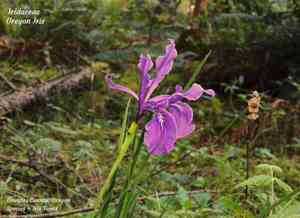
This enduring plant thrives with slender, blade-like foliage and striking violet blossoms. Effective trimming of toughleaf iris entails snipping off spent flowers to stimulate further blooming and eliminating deceased leaves. Perform pruning throughout the year, concentrating on tidying up withered blooms and impaired foliage. This practice preserves toughleaf iris's visual appeal and fosters robust development. Pruning additionally manages its dimensions, preventing toughleaf iris from overwhelming its surroundings. The process is uncomplicated, improving both the plant's well-being and the garden's visual charm.
What Are the Benefits of Pruning Toughleaf Iris?
What Are the Benefits of Pruning Toughleaf Iris?
Trimming toughleaf iris promotes more abundant flowering, stimulates vigorous development, and helps maintain its form for visual appeal in the landscape.
What Is the Best Time for Pruning Toughleaf Iris?
What Is the Best Time for Pruning Toughleaf Iris?
Trimming toughleaf iris from late winter to early spring, prior to new growth, is optimal as it minimizes plant stress and avoids negative effects on the upcoming bloom cycle. This timing allows gardeners to remove any dead or damaged tissue from the previous growing season, thereby encouraging healthier regrowth and sustaining the plant's vigor. In areas without severe winters, some minor trimming might be suitable at other times, but significant pruning should be reserved for the recommended period to protect the toughleaf iris's health and flowering performance.
What Tools Do I Need to Prune Toughleaf Iris?
Bypass Pruners
Perfect for making precise, clean cuts on toughleaf iris leaves and stems. These pruners operate like scissors, with two curved blades that slide past each other, minimizing harm to the plant's remaining tissues.
Sharp Scissors
Suitable for trimming smaller or delicate parts of toughleaf iris, such as dead or diseased leaves. Scissors can offer accuracy for preserving the plantâs aesthetic.
Gardening Gloves
Crucial for protecting hands from thorns and sharp foliage when trimming toughleaf iris.
Garden Disinfectant
Used to sanitize the blades of pruning tools before and after use to prevent the spread of disease among toughleaf iris plants.
How to Prune Toughleaf Iris
Clean tools
Disinfect pruning tools with a solution of 1 part bleach to 9 parts water to prevent the spread of disease during the trimming of toughleaf iris.
Remove diseased leaves
Carefully cut away any diseased leaves from toughleaf iris close to the base, avoiding damage to adjacent healthy tissue. Dispose of them properly to limit disease spread.
Remove dead material
Cut away withered leaves, dead branches, and spent flowers at their point of origin to promote healthy growth and improve air circulation around toughleaf iris.
Shape plant
Trim diseased branches by making a clean cut at a 45-degree angle just above an outward-facing bud or branch junction to encourage outward growth and maintain the shape of toughleaf iris.
Cleanup
Gather and dispose of all pruned material from around toughleaf iris to reduce the likelihood of pest and disease problems.
Common Pruning Mistakes with Toughleaf Iris
Over-pruning
Removing too much foliage can stress toughleaf iris, hindering its ability to thrive. Gardeners should avoid cutting away more than one-third of the plant's growth.
Improper tool use
Using dull or dirty pruning tools can damage toughleaf iris's stems and potentially introduce disease. It's essential to use clean, sharp implements when pruning.
Tearing
Abruptly pulling or tearing the leaves and stems instead of making clean cuts can cause injury to toughleaf iris, leaving it vulnerable to pests and diseases.
Pruning for shape
Attempting to prune toughleaf iris into an unnatural shape can compromise its natural growth pattern and overall health.
Ignoring deadheads
Failing to remove spent blooms can lead to a decrease in toughleaf iris's blooming potential, as energy is wasted on seed production rather than flower formation.
Common Pruning Tips for Toughleaf Iris
Selective removal
Carefully remove only the dead or damaged foliage of toughleaf iris to maintain plant health without compromising its growth.
Promote air circulation
Thin out dense clumps by selectively cutting back some of the older or crowded growths to enhance air circulation around toughleaf iris, reducing the risk of disease.
Snip at the base
When removing individual leaves or stems, cut close to the base of toughleaf iris to promote a tidy appearance and discourage rot.
Encourage new growth
Prune toughleaf iris lightly after flowering to stimulate the growth of fresh, robust foliage, which will support next season's blooms.
Clean up after flowering
Since toughleaf iris can be prone to rot, clear away the dead leaves and spent flowers after blooming to improve overall plant health and appearance.



