How to Prune Blue iris?
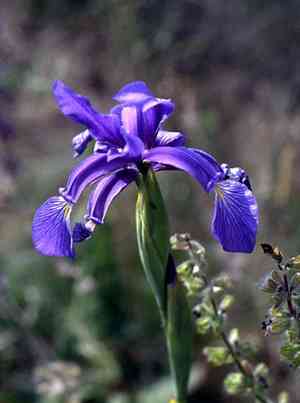
A resilient perennial, blue iris displays impressive blue blossoms. To encourage strong development and flowering, deadhead faded blooms consistently to stimulate additional flowering. Following the initial hard frost, reduce the foliage to ground level, readying the plant for its dormant period. Trimming during spring, summer, or autumn facilitates the elimination of compromised or ailing parts, enhancing general well-being and visual appeal. Pruning additionally fosters more energetic growth in the following periods, guaranteeing the blue iris's ongoing splendor and vigor in the landscape.
What Are the Benefits of Pruning Blue Iris?
What Are the Benefits of Pruning Blue Iris?
Trimming blue iris promotes abundant flowering by directing more energy towards bloom development. Regular cutting helps blue iris maintain a compact shape, fostering vigorous development and preventing excessive growth that can attract pests and diseases.
What Is the Best Time for Pruning Blue Iris?
What Is the Best Time for Pruning Blue Iris?
The optimal periods to trim or prune blue iris are during Spring, Late Summer, and Fall, aligning with key phases of the plant's life cycle. Pruning in Spring is beneficial as the plant emerges from dormancy, simplifying shaping and the removal of winter damage before new growth starts. Late Summer pruning is ideal for eliminating faded flowers and can help deter disease by improving air circulation within the foliage. Fall pruning focuses on general tidying and removing old or diseased leaves after the blooming period, helping to prepare blue iris for winter and reduce potential disease carryover. It's crucial to avoid pruning during the flowering phase to prevent disrupting bloom production. These seasons ensure that blue iris maintains health, vitality, and prolific flowering in the subsequent growing season.
What Tools Do I Need to Prune Blue Iris?
Bypass Pruners
Perfect for making clean cuts on green stems or removing dead foliage without harming blue iris's delicate stalks.
Sharp Garden Scissors
Best for precise trimming and deadheading of spent blossoms to encourage more flowering and maintain blue iris's aesthetic appeal.
Gardening Gloves
Essential for protecting hands from thorns and sharp leaves while pruning blue iris.
Long-Handled Loppers
Recommended for reaching into dense clumps of blue iris to remove dead or damaged parts without straining the gardener's back.
How to Prune Blue Iris
Clean Tools
Sanitize your pruning tools with alcohol or a bleach solution to prevent the spread of diseases to blue iris.
Remove Diseased Leaves
Carefully cut off any diseased leaves from blue iris at their base where they emerge from the rhizome, avoiding damage to healthy tissue.
Trim Withered Leaves
Trim back withered or yellowing leaves of blue iris to the base to encourage healthy new growth and improve air circulation.
Deadhead Flowers
Deadhead faded flowers by snipping the flower stalk of blue iris close to the base just above the first leaf to stimulate rebloom and prevent self-seeding if undesired.
Dispose Of Debris
Properly dispose of all removed plant debris of blue iris to prevent fungal and pest infestation, using composting or trash disposal.
Common Pruning Mistakes with Blue Iris
Overpruning
Removing too much foliage can stress blue iris, leading to fewer blooms or a weakened plant.
Cutting Into Old Wood
Pruning into the old, non-productive wood of blue iris can harm the plant since it may not readily produce new growth from these areas.
Leaving Stubs
Leaving behind stubs after cutting can lead to decay and disease entry points.
Disregarding Plant Architecture
Failing to consider the natural shape and growth habit of blue iris can result in an unnatural appearance and poor flowering.
Dull Tools
Using dull pruning tools can result in jagged cuts that heal poorly and may invite pests and diseases.
Ignoring Dead Leaves
Not promptly removing dead or dying leaves can cause blue iris to become more susceptible to disease and pests.
Common Pruning Tips for Blue Iris
Sanitize Tools
Always use sanitized pruning tools to prevent the spread of disease among garden plants.
Clean Cuts
Make clean cuts at an angle, close to the base of the spent flowers or just above a new outward-facing bud to promote healthy regrowth of blue iris.
Post-Bloom
Prune blue iris immediately after flowering finishes to shape the plant and remove spent flowers, which encourages a tidy appearance and may promote reblooming.
Foliage Maintenance
Regularly remove dead or yellowing leaves from blue iris to maintain plant health and vigor.
Divide Rhizomes
Every few years, thin out blue iris by dividing the rhizomes to prevent overcrowding and promote more vibrant blooms.
Preserve Green Leaves
Retain healthy green leaves on blue iris as they provide energy for next year's growth; only remove browned or diseased foliage.
Depth Of Cut
Do not prune blue iris back to ground level; leave a reasonable amount of stem to sustain plant health.



