How to Prune Siberian iris?
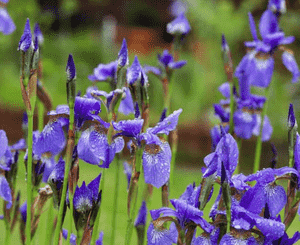
A resilient perennial featuring vibrant, beardless blossoms, siberian iris flourishes in adequately drained earth. Trim away deceased foliage in the initial part of spring and reduce its size following flowering to stimulate further development. Discard withered blossoms to foster renewed blooming. Trimming from the beginning of spring until late autumn is optimal, steering clear of winter to safeguard nascent shoots. Advantages encompass preserving its form, vitality, and revitalizing subsequent floral displays. Adherence to species-specific care guarantees robustness and abundant flowering periods.
What Are the Benefits of Pruning Siberian Iris?
What Are the Benefits of Pruning Siberian Iris?
Trimming siberian iris promotes more abundant blossoms, maintains a compact form, and stimulates vigorous development, ensuring its vitality and visual appeal.
What Is the Best Time for Pruning Siberian Iris?
What Is the Best Time for Pruning Siberian Iris?
Trimming siberian iris in early spring allows for the removal of any winter damage before new growth begins. This timing gives the plant a chance to heal and use its energy for the development of strong, new shoots. Late fall pruning, after flowering has ceased, helps in removing spent blooms and old foliage, which can reduce the likelihood of disease and prepare siberian iris for winter dormancy. It is important not to prune siberian iris during its active growth and blooming period in late spring and summer, so as not to interrupt its natural growth cycle or diminish its flowering potential.
What Tools Do I Need to Prune Siberian Iris?
Sharp Bypass Pruners
Ideal for making clean cuts on siberian iris, bypass pruners cause less damage to the plant's fibrous and tough foliage.
Garden Scissors
Handy for deadheading siberian iris flowers or cutting through thinner stems, garden scissors provide precision and control.
Pruning Shears
Siberian iris can benefit from the use of pruning shears, particularly to shape the plant and remove spent flowers.
Gardening Gloves
Protective gloves are necessary as siberian iris's leaves can be quite tough, and gardeners may need to protect their hands while handling and pruning.
Leaf Rakes
Appropriate for removing debris and fallen leaves from around siberian iris after pruning to maintain plant health and garden cleanliness.
How to Prune Siberian Iris
Step1: Timing Post-Bloom Pruning
Wait until the blooming period of siberian iris is over, which is typically late spring or early summer. Pruning should be done after the blooms have faded to ensure energy is directed back into the bulbs for next year's growth.
Step2: Deadheading Faded Flowers
Cut off dead flowers using sharp, clean shears. Snip the flower stalks at their base, where they emerge from the foliage, to remove faded blooms. This process, called deadheading, encourages siberian iris to direct its energy to root and foliage development rather than seed production.
Step3: Assessing Foliage Health
Identify any yellow, brown, or damaged leaves. Yellow leaves often occur naturally as siberian iris reabsorbs nutrients from older foliage, but also can be a sign of stress or disease.
Step4: Removing Yellow Leaves
Carefully remove yellow leaves by cutting them off at the base where they emerge from the ground. Use sharp scissors or pruning shears to make clean cuts without tugging, to prevent damage to the rhizomes.
Step5: Eradicating Diseased Parts
Inspect the plant for any diseased or pest-infested parts. Isolate affected areas and remove them promptly to prevent the spread to healthy parts of the plant or to other plants.
Step6: Conservative Pruning
Trim only the necessary parts of siberian iris. Excessive pruning or cutting into the green, healthy parts of the plant can cause stress and diminish the vigor of siberian iris.
Step7: Disposing of Pruning Waste
Dispose of the pruned material properly. Remove faded blooms, yellow leaves, and any other dead material from the garden to reduce the risk of disease and pests.
Step8: Post-Pruning Hydration
Water siberian iris after pruning to help the plant recover and rehydrate, especially if the weather is dry. Ensure proper drainage as siberian iris does not perform well in overly waterlogged soil.
Step9: Foliage Nourishment
Apply a low-nitrogen fertilizer if the foliage is not a healthy green, to promote foliage growth. However, avoid over-fertilizing as this can damage siberian iris.
Step10: Ongoing Care and Maintenance
Provide consistent care through the growing season for siberian iris, including supplemental watering during dry spells and mulching to retain soil moisture and regulate soil temperature.
Post-Pruning Care for Siberian Iris
Post-Pruning Care for Siberian Iris
After pruning siberian iris, immediately water the plant to reduce stress. Mantain moderate soil moisture and provide dappled sunlight; avoid full sun exposure to prevent leaf scorch. Ensure temperatures are cool to temperate as siberian iris prefers such climates. Apply a balanced slow-release fertilizer to aid recovery and promote healthy growth. Monitor the plant for yellowing leaves or rot, indicative of stress or infection. If symptoms appear, revise watering habits and check for proper drainage to address the issue promptly.
Common Pruning Mistakes with Siberian Iris
Over-Pruning Reduces Vigor and Flowers
Cutting back siberian iris too severely can lead to a reduction in the plant's vigor and flowering potential. These plants do not respond well to harsh or excessive pruning.
Incorrect Timing Affects Budding and Blooms
Pruning siberian iris at the wrong stage of growth may result in accidentally removing the flower buds or new shoots, which can decrease blooming for the season.
Unclean Tools Lead to Jagged Cuts and Disease
Using unclean or dull pruning tools on siberian iris can lead to jagged cuts and increase the risk of disease transmission between plants.
Overlooking Seed Pod Removal Drains Energy
Neglecting to remove only the spent flowers and seed pods can result in siberian iris expending energy on seed production rather than focusing on root and foliage development for the next season.
Not Clearing Dead Foliage Invites Pests and Disease
Failing to clear away the dead foliage from siberian iris before new growth begins can create a haven for pests and diseases and may result in a less aesthetically pleasing plant.
Common Pruning Tips for Siberian Iris
Use Sharp, Clean Shears for Healthy Cuts
Utilize sharp, clean pruning shears to make clean cuts on siberian iris, which helps prevent disease and promotes quicker healing of the pruned areas.
Remove Dead Foliage to Boost Health and Circulation
Focus on removing dead or damaged foliage of siberian iris to maintain health and encourage air circulation around the plant, which can reduce the likelihood of disease.
Deadhead After Flowering to Redirect Energy
After flowering, snip off the spent blooms of siberian iris close to the base of the bloom stalk to prevent the plant from putting energy into seed production, redirecting it to root and foliage growth instead.
Divide Plants Biennially for Vigorous Growth
For aesthetic purposes and to promote vigorous growth, consider dividing siberian iris every few years, removing any older, less productive sections to revitalize the plant.
Prune to Maintain Natural Shape and Health
Ensure that you maintain the natural fan-like shape of siberian iris by pruning selectively and avoiding cutting into the healthy, green portions of the rhizome unless necessary to remove damage.



