How to Prune Yellow flag?
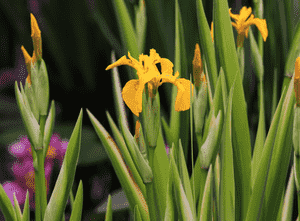
A resilient water-loving perennial, yellow flag flourishes in moist environments, displaying vibrant yellow flowers. Remove withered or compromised foliage as necessary to preserve its well-being and visual appeal. Trimming back the leaves post-bloom stimulates robust development. The ideal period for pruning extends from early spring through late autumn, coinciding with the plant's active growth phases, and curbing its proliferation. Consistent cutting manages its expansion, fostering a neat look and deterring excessive self-propagation in regions where it is not indigenous.
What Are the Benefits of Pruning Yellow Flag?
What Are the Benefits of Pruning Yellow Flag?
Trimming yellow flag promotes more abundant blooms, stimulates robust development, and maintains the plant's shape. Strategic cuts result in a healthier, more attractive specimen, ensuring yellow flag flourishes in its habitat.
What Is the Best Time for Pruning Yellow Flag?
What Is the Best Time for Pruning Yellow Flag?
Pruning yellow flag in early spring is advantageous as it prepares the plant for new growth by enabling it to channel energy into producing fresh leaves and flowers during its active growth phase. Late autumn is another suitable period, as the plant has typically finished blooming and is entering dormancy. Pruning at this time helps maintain the desired form, removes spent flowers, and reduces disease risk by eliminating dead or damaged material before winter. These timings ensure the plant's vigor and support its natural growth and reproductive cycles.
What Tools Do I Need to Prune Yellow Flag?
Hand Pruners
Yellow flag possesses leaves and flower stalks that can be quite tough. Hand pruners, or secateurs, are perfect for making clean, precise cuts on the plant's relatively thick flower stems and foliage. Select a pair with a comfortable grip and sharp blades to ensure a neat trim without harming the plant.
Long-Handled Loppers
When yellow flag's clusters become too dense and require thinning, long-handled loppers can be utilized to reach into thick growth and cut back any thicker, woodier stems that might be present. Their leverage and reach make cutting easier without overstraining the gardener.
Gardening Gloves
Yellow flag can have very sharp leaf edges that could potentially cause cuts or skin irritation. A durable pair of gardening gloves is essential to safeguard the gardener's hands during pruning.
Pruning Saw
If yellow flag has developed a large clump with very thick stems that hand pruners or loppers cannot manage, a pruning saw might be necessary. This tool allows for cutting through dense plant material that resembles shrub wood, ensuring a clean cut without damaging the tool or the plant.
Garden Shears
For maintaining the tidiness of the area around yellow flag, garden shears can be employed to trim grass and neaten the edges surrounding the plant. They are useful for shaping and controlling the aesthetic of the plant's immediate surroundings.
How to Prune Yellow Flag
Step1: Identify Plant Parts Needing Pruning
Inspect yellow flag closely to pinpoint dead flowers, damaged stems, and old foliage that require trimming. Dead flowers and old foliage are typically shriveled, discolored, or dry, while damaged stems may show signs of injury or decay.
Step2: Sterilize Pruning Equipment
Sanitize your pruning shears with rubbing alcohol or a 10% bleach solution to prevent the spread of disease among plants.
Step3: Deadhead Spent Flowers
Remove faded flowers from yellow flag by making a clean cut just beneath the flower head. Be sure to cut above the first set of healthy leaves to encourage new blooms and avoid cutting into healthy tissue unnecessarily.
Step4: Remove Damaged Plant Stems
Cut back damaged stems at a point just above a healthy set of leaves or a growth node, ensuring that any diseased or unhealthy sections are completely removed. Prune back to healthy tissue to encourage recovery and growth.
Step5: Trim Old Foliage for Airflow
Prune old foliage close to the base of yellow flag to tidy up the plant and promote proper air circulation. Old foliage is typically found at the base and is often the first to show signs of aging. Remove this material to reduce disease pressure and pest habitat.
Step6: Shape Plant for Light and Air
Shape yellow flag by lightly pruning the remaining healthy foliage and stems if necessary. Ensure the final shape is pleasing and allows for light penetration and air movement throughout the plant.
Step7: Discard Pruned Material Properly
Dispose of all pruned material appropriately, either by composting healthy plant matter or discarding diseased material safely to prevent reinfection.
Step8: Water Plant Post-Pruning
Water yellow flag adequately after pruning to help the plant recover and seal the cuts, but be careful not to overwater as yellow flag prefers moist but not saturated soil conditions.
Step9: Monitor Plant for Regrowth and Health
Monitor yellow flag after pruning for signs of new growth and pests or diseases. Additional pruning may be necessary if more dead or damaged parts are identified later in the growing season.
Post-Pruning Care for Yellow Flag
Post-Pruning Care for Yellow Flag
After pruning yellow flag, promptly water to hydrate roots and settle soil. Position yellow flag to receive full sun to partial shade, maintaining moderate humidity and avoiding temperature extremes. Apply balanced fertilizer to promote regrowth, while avoiding over-fertilization. Regularly inspect yellow flag for wilting or discoloration, which indicates stress or possible infection. Should such symptoms arise, isolate affected areas and apply appropriate fungicide or pest control measures, as necessary.
Common Pruning Mistakes with Yellow Flag
Over-Pruning Hinders Photosynthesis
Cutting back too severely can harm yellow flag, as it can remove too much foliage which the plant needs for photosynthesis.
Ignoring Dead or Diseased Foliage Promotes Pests and Disease
Failing to remove dead or diseased leaves and stems can impede yellow flag's growth and may lead to further pest issues or fungal diseases.
Blunt or Dirty Tools Cause Plant Tissue Damage
Cutting the plant with dull or unclean tools can cause unnecessary damage to the tissues, making yellow flag more vulnerable to diseases.
Common Pruning Tips for Yellow Flag
Sharp, Clean Cuts for Healthier Pruning
Use sharp, clean pruning shears or scissors to make precise cuts, which promote quicker healing and minimize the risk of disease.
Selective Pruning of Dead or Diseased Parts Encourages Growth
Remove only the spent flowers, dead foliage, and any damaged or diseased stems to keep yellow flag looking tidy and to encourage new growth.
Angled Cuts Above Leafs Prevent Rot
Cut the stems of yellow flag at a slight angle, just above a leaf or growing point, to facilitate water runoff and prevent rot.
Post-Flowering Pruning for Potential Rebloom
After flowering, carefully prune flowering stems to encourage a second bloom in the same season, if environmental conditions permit.
Thinning for Better Air Circulation and Disease Prevention
Thin out crowded areas of yellow flag to improve air circulation, which can reduce the likelihood of fungal diseases.
Gentle Pruning Preserves Vital Rhizomes
Be gentle during the pruning process to avoid inadvertently pulling out the rhizomes, which are crucial for the plant’s regeneration and growth.



