How to Prune Sweet iris?
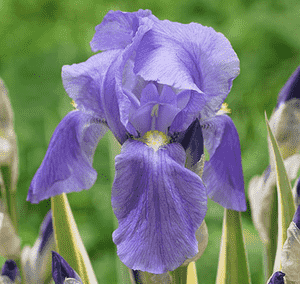
This robust rhizomatous perennial is recognized for its aromatic purple blossoms and distinctive foliage. For sweet iris, trimming should concentrate on eliminating faded blooms and impaired or ailing leaves to stimulate subsequent flowering and preserve well-being. The most effective pruning takes place after blooming, generally in late spring or early summer, to enable energy to be diverted to the rhizomes. Seasonal tidying can persist into autumn, but refrain from winter trimming to safeguard the plant. Pruning improves visual attractiveness while fostering robust development and flower generation.
What Are the Benefits of Pruning Sweet Iris?
What Are the Benefits of Pruning Sweet Iris?
Trimming sweet iris promotes strong development, leading to abundant blossoms. Regular cutting maintains its shape and encourages a robust, attractive plant that enhances any garden.
What Is the Best Time for Pruning Sweet Iris?
What Is the Best Time for Pruning Sweet Iris?
Pruning or trimming sweet iris in late spring is optimal as it follows the species' flowering period, allowing removal of spent blooms and encouraging neat growth as the plant enters its active phase. Early summer is also suitable for light pruning to shape and maintain size, but extensive cutting should be avoided to prevent stress during peak growth. Late fall is considered ideal for cutting back old or damaged foliage after dormancy, preparing sweet iris for winter rest while reducing disease and pest risks from decaying material. These timings ensure pruning doesn't disrupt the natural flowering cycle, typically in late spring, and allows for recovery and energy storage for the next season.
What Tools Do I Need to Prune Sweet Iris?
Sharp Scissors or Snips
For removing faded sweet iris flowers, employ sharp scissors or snips for accurate cuts without harming surrounding leaves.
Bypass Pruners
To eliminate damaged or diseased leaves or to trim foliage post-flowering, bypass pruners provide clean cuts that help prevent plant structure damage.
Garden Shears
Once sweet iris has finished blooming, and it's time to neaten the foliage in late summer, garden shears can be used to efficiently trim larger sections of leaves.
How to Prune Sweet Iris
Remove Diseased Leaves
Identify and carefully take off any diseased leaves from sweet iris. Do this by cutting the leaf at its base, near the rhizome, using clean, sharp scissors or pruning shears to stop infection spread.
Trim Withered Leaves
Locate withered or yellowing leaves on sweet iris. Trim these leaves at their base, similar to diseased leaves, ensuring you don't cut into healthy tissue or the rhizome itself.
Deadhead Flowers
Once sweet iris flowers have faded, deadhead them. Pinch or cut the flower stalk down to the nearest set of leaves to encourage new growth and prevent the plant from using energy on seed production.
Cleanup
Gather all removed diseased leaves, withered leaves, and spent flowers to tidy the area around sweet iris. Dispose of the plant material properly to prevent disease or pests from spreading in the garden.
Sanitize Tools
After pruning sweet iris, clean and disinfect your pruning tools with a bleach or rubbing alcohol solution to prevent transmitting diseases to other plants during your next pruning session.
Common Pruning Mistakes with Sweet Iris
Over Pruning
Removing too many leaves and stems during pruning can stress sweet iris, leading to poor growth or reduced flowering.
Incorrect Cuts
Making jagged or torn cuts can harm sweet iris's stems, potentially leading to disease and pest issues.
Pruning Healthy Growth
Trimming back healthy, vibrant foliage and stems rather than just targeting dead or damaged material can hinder sweet iris's vitality and aesthetics.
Disregarding Plant Shape
Pruning without considering sweet iris's natural growth habit can result in an unnatural appearance and possibly harm its growth pattern.
Pruning For Size Reduction
Trying to significantly reduce sweet iris's size by pruning can be counterproductive, as it can lead to disproportionate growth or loss of bloom sites.
Common Pruning Tips for Sweet Iris
Sharp Tools
Use clean, sharp pruning shears to make precise cuts, which help sweet iris recover more quickly and reduce the risk of disease entry.
Cut At The Base
For dead or damaged foliage, make cuts close to the base of sweet iris to promote better air circulation and light penetration, essential for healthy growth.
Selective Thinning
Thin out crowded areas to ensure that sweet iris has adequate room for air movement and sunlight exposure, which are critical for minimizing disease.
After Bloom Care
Once flowering has finished, cut back the flower stalks of sweet iris to neat clumps to tidy the plant and focus its energy on root and foliage development.
Seasonal Cleanup
Remove any dead or diseased foliage from sweet iris as you notice it, maintaining a clean growing environment and preventing potential spread of disease.



