How to Prune Rabbitear iris?
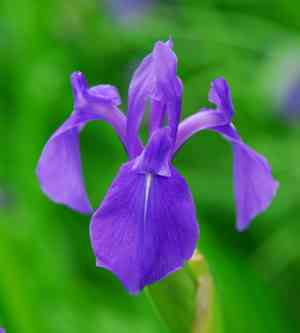
Distinguished by vivid blue blossoms and blade-like leaves, Iris ensata needs little trimming to preserve its form and stimulate flowering. Remove faded flowers during the entire cultivation period to foster subsequent blooming. Cut back the foliage in autumn to neaten the plant and eliminate any impaired or ailing leaves. Exercise caution when pruning to prevent harm to the rhizome. This method guarantees an abundance of flowers and a thriving plant by averting excessive density and enhancing proper air movement.
What Are the Benefits of Pruning Rabbitear Iris?
What Are the Benefits of Pruning Rabbitear Iris?
Trimming rabbitear iris promotes more abundant flowering, robust development, and maintains a tidy shape, crucial for both visual appeal and plant health. Strategic cuts also help prevent illness by enhancing air movement within the foliage.
What Is the Best Time for Pruning Rabbitear Iris?
What Is the Best Time for Pruning Rabbitear Iris?
Trimming rabbitear iris in late spring or early summer right after it finishes blooming allows gardeners to shape the plant and remove spent flowers, which can foster a healthier growth cycle and potential reblooming. It's vital to avoid pruning in autumn as this can stimulate new growth that won't harden off before the first frost. Furthermore, pruning in early spring can remove developing flower buds and decrease blooming potential for the season.
What Tools Do I Need to Prune Rabbitear Iris?
Bypass Pruners
Perfect for making precise cuts through green stems and leaves of rabbitear iris, ensuring minimal harm to the plant tissues.
Garden Shears
Useful for trimming and shaping the foliage of rabbitear iris, allowing for a more controlled and even cut over larger areas.
Gardening Gloves
Essential for protecting hands from sharp edges and thorns while pruning rabbitear iris.
Pruning Saw
Required only for older, thicker stems of rabbitear iris that cannot be handled by pruners or shears, though its use is less common.
Garden Scissors
Appropriate for detailed pruning work on rabbitear iris, allowing for precision in deadheading and removing spent flowers.
Cleaning Solution
Necessary for sterilizing pruning tools before and after use to prevent the spread of disease among rabbitear iris plants.
Waste Container
Needed to collect and dispose of trimmings from rabbitear iris, helping to maintain a clean work area and reducing potential pests or disease.
How to Prune Rabbitear Iris
Diseased Leaves
Identify and remove any diseased leaves from rabbitear iris using sterilized pruning shears. Cut the leaf at the base, but be careful to avoid damaging the healthy surrounding foliage.
Withered Leaves
Examine rabbitear iris for withered leaves which no longer contribute to the plant's growth or aesthetic. Gently pull these leaves away if they come off easily, or use shears to remove them at their base.
Withered Flowers
Deadhead the withered flowers of rabbitear iris to encourage new blooms and prevent seed formation. Snip the flower stalk beneath the spent bloom, above the first set of healthy leaves.
Common Pruning Mistakes with Rabbitear Iris
Overzealous Pruning
Removing too much foliage can stress rabbitear iris, hindering its ability to photosynthesize and consequently reducing its vigor and blooming potential.
Pruning Into Old Wood
Cutting into the old, dense wood of rabbitear iris may prevent the plant from producing new shoots, as it mainly regenerates from newer growth.
Ignoring Deadheading
Neglecting to remove spent blooms can lead to a decrease in flowering, as rabbitear iris can expend energy on seed production instead of new blooms.
Pruning Too Soon After Flowering
Pruning immediately after blooming might remove developing buds, affecting the next season's display.
Improper Tool Use
Utilizing dull or improper tools can result in jagged cuts, which are more susceptible to pests and diseases, and can impair the healing process of rabbitear iris.
Disregarding Plant Form
Failing to consider the natural growth habit of rabbitear iris during pruning can lead to an unnatural appearance and potentially reduce its overall health.
Common Pruning Tips for Rabbitear Iris
Selective Pruning
Carefully prune only the necessary parts of rabbitear iris to maintain a balanced shape and encourage healthy growth without over-pruning.
Clean Cuts
Ensure cuts are made cleanly using sharp, sterilized pruning shears to minimize damage and prevent the spread of disease to rabbitear iris.
Post-Bloom Deadheading
Deadhead the spent flowers of rabbitear iris to redirect energy from seed production to root and foliage development, thus promoting the next season's blooms.
Prune For Airflow
Thin out crowded areas to improve air circulation, which helps reduce the risk of fungal diseases in rabbitear iris.
Cut At The Base
Remove dead or damaged foliage by cutting close to the base of rabbitear iris to stimulate new growth without causing unnecessary stress to the plant.



