How to Prune Japanese Iris?
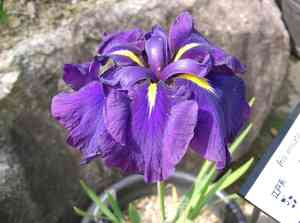
A cherished aquatic perennial, japanese Iris is celebrated for its striking blossoms and elegant greenery. Trimming should occur following the blooming period to preserve the plant's vitality and aesthetic. Snip off faded flowers and discolored leaves, and during autumn, clear away aged foliage to lessen the chance of illness. Post-flowering trimming stimulates fresh development. Pruning during spring, summer, or autumn corresponds with japanese Iris's active periods, boosting strength and bloom excellence. Appropriate pruning guarantees a strong presentation in the following cycle.
What Are the Benefits of Pruning Japanese Iris?
What Are the Benefits of Pruning Japanese Iris?
Trimming japanese Iris promotes abundant flowering, maintaining a robust specimen with a balanced form. Strategic cuts enhance plant vigor, fostering an attractive outline that highlights its decorative appeal.
What Is the Best Time for Pruning Japanese Iris?
What Is the Best Time for Pruning Japanese Iris?
Pruning of japanese Iris in late summer to fall, following its flowering period, is considered ideal. This timing allows gardeners to remove faded flowers and any damaged or diseased leaves, which encourages healthy development and improved blooms in the subsequent season. Trimming during these seasons also avoids disrupting the growth cycle of japanese Iris, as spring pruning could remove developing flower buds and negatively impact the plant's health and flowering potential. Additionally, pruning in late summer to fall gives japanese Iris time to recover before the winter dormancy period. It's important to avoid extensive pruning in the spring as this is when japanese Iris is channeling energy into growth and preparing for flowering.
What Tools Do I Need to Prune Japanese Iris?
Bypass Hand Pruners
Ideal for making clean and precise cuts on japanese Iris's slender, fibrous stems without causing harm.
Gardening Gloves
Essential for protecting hands from soil and potential irritants when handling japanese Iris, as well as providing a better grip.
Sharp Scissors
Perfect for trimming dead or damaged leaves and can be used for cutting flower stalks after japanese Iris blooms have faded.
How to Prune Japanese Iris
Diseased Cleanup
Inspect japanese Iris for indications of disease or damage on leaves, and use sterilized pruning shears to carefully remove these leaves. Make clean cuts to prevent tearing.
Withered Leaf Removal
Locate withered or dead foliage on japanese Iris, and trim these leaves at the base without disturbing healthy growth to encourage proper air circulation and light penetration.
Flower Deadheading
After japanese Iris has finished blooming, deadhead spent flowers by cutting the flower stalks down to the base of the plant to encourage reblooming and prevent self-seeding.
Cleanup And Dispose
Gather and discard all trimming debris to prevent any disease or pests from spreading in the garden.
Post Pruning Care
Water the base of japanese Iris thoroughly after pruning to help the plant recover and stimulate new growth.
Common Pruning Mistakes with Japanese Iris
Over-Pruning
Removing too much foliage can stress japanese Iris, leading to weak growth or even plant death. It is crucial to prune only what is necessary to shape the plant and remove dead or diseased tissue.
Improper Cutting Technique
Cutting too close to the crown or with dull pruning tools can damage japanese Iris, as it may cause tears or ragged cuts that are susceptible to disease.
Pruning Live Blooms
Cutting off live blooms reduces the current season's flower display. Ensure only spent blooms and dead foliage are trimmed to promote next seasonâs bloom.
Neglecting To Remove Dead Foliage
Failure to remove spent leaves and stems can lead to a build-up of debris that harbors diseases and pests, which may affect the health and appearance of japanese Iris.
Common Pruning Tips for Japanese Iris
Selective Pruning
When pruning japanese Iris, selectively remove dead or diseased foliage and flower stalks. This encourages better air circulation and reduces the chance of disease.
Use Of Sharp Tools
Always use clean, sharp pruning shears or scissors. This ensures clean cuts that heal quickly, preventing the entry of pathogens.
Shape Maintenance
After flowering, trim the foliage of japanese Iris to maintain its shape and encourage new growth. Cut the leaves back to a height of about 6 inches.
Post-Flowering Cleanup
Once the blooming period is over, remove spent blooms and yellowing leaves to divert the japanese Iris's energy into establishing strong roots and preparing for the next blooming season.



