How to Prune Douglas Iris?
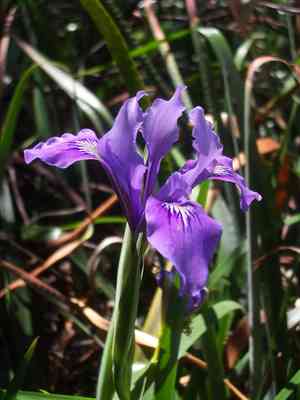
Douglas Iris, a perennial boasting vibrant blossoms, flourishes with infrequent trimming to eliminate faded flowers and preserve its form. You can prune at any point during the year, concentrating on lifeless or impaired leaves to foster robust development. Consistent removal of spent flowers encourages additional blooming. After the flowering period, reduce the foliage to revitalize the plant. Pruning also serves as a method for managing its dimensions and inhibiting the dissemination of illnesses. Advantages encompass heightened vitality and a prolonged existence for the plant.
Advantages of Trimming Douglas Iris
Advantages of Trimming Douglas Iris
Trimming douglas Iris promotes healthier, more abundant flowers, encourages robust development, and maintains a compact, pleasing shape. It's crucial for boosting both plant vitality and garden appeal.
Optimal Period for Pruning Douglas Iris
Optimal Period for Pruning Douglas Iris
The conclusion of the douglas Iris blooming cycle, typically late summer to early fall, is the ideal time for pruning. At this point, the plant has finished flowering, prompting gardeners to prune for shaping, removing spent blossoms, and preparing for the subsequent growing season. Pruning at this stage supports douglas Iris health by preventing diseases that could thrive on decaying flowers and fostering the growth of new, strong shoots for the following year. Furthermore, a post-blooming trim can direct the plant's energy towards root and foliage development rather than seed production, which is beneficial as winter dormancy approaches. Avoid pruning during active spring and mid-summer growth, as this can disrupt the blooming cycle and potential flower production. Minor pruning may occur in other seasons to remove dead or damaged foliage, but significant trimming should adhere to the late summer to early fall window.
Necessary Tools for Pruning Douglas Iris
Hand Pruners
For precise cuts to eliminate faded blooms and thin out dense growth.
Pruning Scissors
Perfect for deadheading and trimming soft foliage without causing harm.
Gloves
To safeguard hands from sharp leaves and potential skin irritants.
Garden Sanitizer
To cleanse tools between cuts to prevent disease transmission.
How to Prune Douglas Iris
Remove Diseased Leaves
Identify and carefully remove any douglas Iris leaves exhibiting disease signs, such as unusual spots or discoloration, using clean, sharp scissors.
Trim Withered Leaves
Look for douglas Iris leaves that have wilted and no longer contribute to the plant's appearance or health. Trim these at the base without disturbing healthy foliage.
Eliminate Dead Branches
Carefully cut back any dead branches on douglas Iris close to the plant's base. This helps prevent potential disease spread and encourages new growth.
Prune Diseased Branches
Examine douglas Iris for branches with disease symptoms and prune them back to healthy tissue, ensuring to disinfect your pruning tools afterward to prevent contamination.
Remove Withered Flowers
Deadhead spent or withered douglas Iris flowers to encourage new blooms and prevent the plant from investing energy into seed production. Make cuts above a leaf junction.
Common Pruning Errors with Douglas Iris
Overpruning
Pruning excessively at once can shock douglas Iris, leading to poor growth or plant stress. Removing more than one-third of the foliage at a time is a common error.
Pruning At Base
Cutting douglas Iris too close to the base can damage the rhizomes, which are vital for new growth. It's a mistake to prune without leaving a few inches of foliage for photosynthesis and energy.
Blunt Tools
Using dull or unclean pruning tools can harm douglas Iris by crushing stems instead of making clean cuts, making the plant susceptible to diseases.
Invasive Pruning
Interfering too much with natural growth patterns, such as shaping or excessive thinning of douglas Iris, can reduce its hardiness and natural beauty.
Removing All Foliage
Removing all its leaves after blooming is a mistake, as the foliage is needed for douglas Iris to gather energy for the next season's growth and blooming.
General Pruning Advice for Douglas Iris
Deadheading
To promote additional blooms and maintain plant vigor, remove spent douglas Iris flowers by cutting back the flowering stalk to the plant's base.
Post-Bloom Maintenance
After douglas Iris has finished blooming, trim down flower stems to the base, but leave the foliage to allow the plant to store energy for the next year.
Divide Clumps
Every 3-4 years, divide douglas Iris clumps to revitalize growth. This encourages more flowering and prevents overcrowding.
Sanitize Tools
Always use sharp, clean pruning shears or scissor-type cutters to ensure precise cuts and reduce the risk of infection in douglas Iris.
Thin Out
To improve air circulation, thin out crowded areas by carefully pruning older or diseased foliage, but do not remove more than one-third of the total growth.



