How to Prune Blackberry lily?
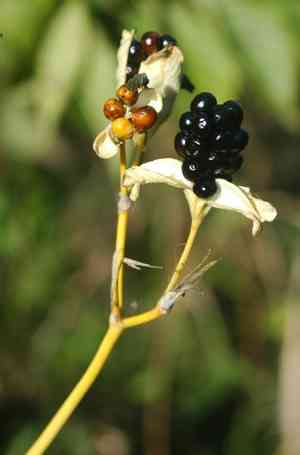
Distinguished by its vivid orange blossoms and fruit capsules resembling blackberries, blackberry lily flourishes with appropriate trimming. Essential methods involve removing faded flowers to stimulate additional blooms and reducing foliage post-flowering to revitalize development. The ideal time for pruning extends from the beginning of spring to the end of summer. Meticulous elimination of older, deteriorating leaves can avert ailments and preserve visual attractiveness. Consistent pruning fosters well-being, extended life, and abundant flowering in the subsequent period.
What Are the Benefits of Pruning Blackberry Lily?
What Are the Benefits of Pruning Blackberry Lily?
Trimming blackberry lily promotes vigorous development and preserves its desired shape. Strategic cutting back encourages revitalization and maintains the decorative appeal of blackberry lily.
What Is the Best Time for Pruning Blackberry Lily?
What Is the Best Time for Pruning Blackberry Lily?
Pruning or trimming blackberry lily in early spring is advantageous as it occurs just before new growth commences, allowing the plant to channel its energy into developing fresh shoots and blossoms. This timing also facilitates the removal of any dead or damaged foliage from winter, thereby preventing disease and pests. Late summer presents another suitable pruning window, especially after blackberry lily has completed its flowering cycle. Cutting back at this point can foster a neat growth habit and might stimulate a second bloom. Pruning in late summer also aids in managing the size and form of blackberry lily, and in removing seed heads if self-seeding is not desired.
What Tools Do I Need to Prune Blackberry Lily?
Hand Pruners
Hand pruners, also known as secateurs, are perfect for making precise cuts on blackberry lily's leaves and stems that are less than 3/4 inch in diameter. They enable accuracy, which is crucial for maintaining the plant's shape and vitality.
Pruning Shears
Pruning shears are similar to hand pruners but are suitable for cutting slightly thicker stems. They are useful for deadheading blackberry lily, which involves removing spent flower stalks to encourage more blooms and prevent self-seeding if desired.
Gardening Gloves
Gardening gloves safeguard hands from thorns and other sharp elements. Since blackberry lily has seed pods that dry and open to release seeds, wearing gloves can prevent injuries when removing these pods or during general upkeep.
Disinfectant Wipes or Alcohol
Sanitizing pruning tools before and after use with disinfectant wipes or rubbing alcohol prevents the transmission of diseases between blackberry lily plants and is vital for keeping pruning wounds healthy.
Garden Scissors
Garden scissors can be utilized for more precise, delicate trimming of blackberry lily's foliage, particularly for shaping or thinning congested areas, ensuring good air circulation throughout the plant.
Lopping Shears
For mature blackberry lily specimens that have developed thicker woody stems, lopping shears may be necessary as they are designed for branches over 3/4 inch thick. However, care must be taken not to over-prune, as this could harm the plant.
Waste Container
A receptacle to hold pruned materials helps keep the area tidy and allows for easy disposal of cuttings, which is important for disease management and the aesthetic appeal of the gardening space.
How to Prune Blackberry Lily
Step1: Identify for Removal
Locate dead or faded flowers on blackberry lily in preparation for trimming. These spent flower stems, which may have seed pods attached, are typically brown and dry.
Step2: Sterilize Pruning Tools
Sanitize your pruning shears before beginning and between cuts if trimming multiple plants. Use rubbing alcohol or a bleach and water solution to prevent disease spread.
Step3: Precision Cutting Technique
Using sharp, clean pruning shears, cut the flower stem of blackberry lily at its base where it emerges from the foliage. Make the cut at a 45-degree angle to prevent water from accumulating on the stem's end, which could lead to rot.
Step4: Clean Up Trimmed Debris
Remove trimmed material from the garden to deter pests and diseases. Collect all dead flowers and dispose of them in a compost bin or trash.
Step5: Monitor for Regrowth
Observe blackberry lily after pruning for indications of new growth. Deadheading often encourages a subsequent flush of flowers.
Step6: Seasonal Foliage Reduction
After flowering has concluded for the season, typically late summer to fall, cut back the entire foliage of blackberry lily to approximately 4-6 inches from the ground, if it starts to yellow or die back.
Step7: Post-Pruning Watering
Water blackberry lily immediately after pruning to aid its recovery from the stress of trimming and stimulate new growth.
Step8: Nutrient Replacement
Apply a balanced fertilizer after cutting back the plant to supply essential nutrients that promote healthy regrowth.
Post-Pruning Care for Blackberry Lily
Post-Pruning Care for Blackberry Lily
Immediately after pruning blackberry lily, ensure thorough watering to assist recovery. Position the plant in a location with adequate indirect light, and maintain consistent temperature and humidity levels. Apply a balanced fertilizer to replenish nutrients. Regularly check for signs of stress, such as leaf discoloration or wilting, and for infections indicated by unusual spots or decay. At any troubling signs, adjust care or consult a specialist to prevent further damage.
Common Pruning Mistakes with Blackberry Lily
Overly Aggressive Pruning Reduces Blooms
Pruning too severely, which can stress blackberry lily or result in a significant decrease in flowering.
Early Seed Pod Removal Hinders Self-Sowing
Clipping off seed pods before they mature, which prevents blackberry lily from self-sowing and naturalizing in the garden.
Dull or Dirty Tools May Harm Plant and Spread Disease
Using blunt or unclean tools that can damage blackberry lily's stems and potentially introduce disease.
Pruning Neglect Leads to Unkempt Growth
Failing to prune at all, which can lead to a disheveled appearance and less vigorous growth.
Common Pruning Tips for Blackberry Lily
Clean, Sharp Cuts for Healthy Pruning
Utilize clean, sharp pruning shears to make precise cuts without harming blackberry lily's foliage and stems.
Deadheading to Base Encourages Tidiness and Rebloom
Cut back spent flower stalks to their base to promote a neat appearance and potentially encourage a second bloom.
Leave Mature Seed Pods for Self-Sowing
If self-sowing is desired, allow some mature seed pods to remain on the plant to open and disperse seeds.
Spring Thinning of Older Growth Spurs Blooms
Thin out crowded clumps in early spring by removing older, less vigorous growth to rejuvenate blackberry lily and encourage more blooms.
Immediate Removal of Diseased Foliage Preserves Health
Remove any dead or diseased foliage as soon as it is observed to maintain the health and aesthetic appeal of blackberry lily.



