How to Prune Cypress vine?
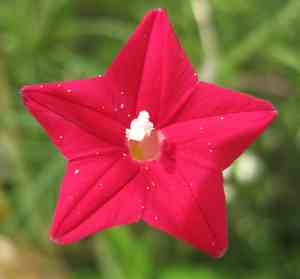
Distinguished by its delicate, feathery foliage and stellate blossoms, the cypress vine is a rapidly ascending plant. Trim this variety to preserve its preferred form and dimensions, and eliminate any withered or compromised tendrils. The most effective period for pruning extends from the beginning of spring through the end of autumn, aligning with its vigorous growth periods. Strategic trimming benefits the cypress vine by improving air movement, lowering the likelihood of illness, and fostering more robust flowering. Make cuts just above the leaf junctions with sanitized, keen implements to stimulate fresh development.
Advantages of Trimming Cypress Vine
Advantages of Trimming Cypress Vine
Trimming cypress vine promotes robust development and assists in maintaining its desired form. Eliminating overgrown or weak stems fosters a healthier, more appealing vine, and may boost flowering.
Optimal Period for Pruning Cypress Vine
Optimal Period for Pruning Cypress Vine
Pruning cypress vine in early spring is beneficial as it stimulates new growth after the dormant winter season, ensuring the plant has the energy to produce its distinctive feathery foliage and vibrant flowers. Late fall is also an ideal time for pruning, as it helps keep the plant tidy and removes any spent vines or seed pods, preventing self-sowing, which can lead to invasive spreading. These seasons coincide with the beginning and end of cypress vine's active growing period, allowing for recovery and regrowth without impacting the plant's health or flowering cycle. Avoid pruning during flowering to not reduce the floral display or seed production for those collecting seeds.
Necessary Tools for Pruning Cypress Vine
Bypass Pruners
Perfect for making precise cuts on the slender stems of cypress vine, bypass pruners minimize damage to plant tissues and aid in healthy regrowth.
Garden Scissors
Useful for snipping off delicate twining tendrils of cypress vine and removing dead or diseased foliage without disturbing nearby plants.
Pruning Saw
Generally not needed for cypress vine, but can be utilized for cutting through thicker, woodier stems if the plant has been allowed to grow without consistent trimming.
Gloves
Crucial for protecting hands from the sap of cypress vine, which might cause skin irritation, and from any sharp edges during the pruning process.
Long-Sleeved Clothing
Recommended attire when pruning cypress vine to prevent skin contact with the sap and to guard against scratches from the plant's fine structures.
How to Prune Cypress Vine
Step1: Identify Dead and Weak Plant Sections
Carefully examine cypress vine to locate dead stems, weak stems, and overgrown foliage. This will indicate which parts of the plant require trimming. A visual inspection is necessary to ensure accurate targeting of the affected areas for pruning.
Step2: Sterilize Pruning Tools
Sanitize your pruning shears or scissors with rubbing alcohol or a household bleach solution to prevent the spread of disease. Clean tools are essential when cutting plant tissues to avoid infecting cypress vine with pathogens.
Step3: Cut Dead Stems at Base
Start by cutting dead stems at the base where they meet healthy tissue. Make a clean, angled cut to promote water runoff and reduce the chance of disease.
Step4: Prune Weak and Unhealthy Stems
Trim weak stems that are thin, spindly, or appear unhealthy. Cut these back to a main stem or just above a leaf node where new growth can sprout. For cypress vine, it's particularly important to prune these to encourage more robust growth and improve air circulation.
Step5: Shape and Trim Overgrown Foliage
Address the overgrown foliage by determining the desired shape and size of cypress vine. Trim excess growth to maintain the vine's form, cutting above leaf nodes at a 45-degree angle. Be careful not to remove more than one-third of the plant's overall foliage during a single pruning session.
Step6: Reassess and Adjust Plant Shape
After cutting overgrown foliage, step back and re-evaluate the shape of cypress vine. Make any additional adjustments by pruning to balance and refine the plant's appearance, keeping in mind cypress vine's natural growth habit.
Step7: Dispose of Pruning Debris
Discard all removed material by placing dead stems, weak stems, and foliage trimmings in a compost bin or garbage bag, ensuring that no diseased material is left in the garden that might affect cypress vine or other plants.
Step8: Water Plant After Pruning
Water cypress vine thoroughly after pruning, as this can help reduce stress on the plant and encourage recovery and new growth.
Step9: Clean Tools Post-Pruning
Clean and sterilize your tools again after finishing. Keeping your tools clean will maintain their efficiency and extend their lifespan, and it's a critical step to prevent disease spread between plants.
Post-Pruning Care for Cypress Vine
Post-Pruning Care for Cypress Vine
Immediately after pruning cypress vine, water thoroughly to reduce stress. Maintain a warm, moderately humid environment, ensuring bright, indirect sunlight to promote healing. Adjust temperature to 20-25°C for optimal recovery. Apply a balanced, liquid fertilizer to replenish nutrients, facilitating robust regrowth. Monitor cypress vine regularly for wilting or discolored leaves indicating stress or infection. At any signs of poor health, adjust care and consult a horticulturist. Consistent care post-pruning encourages vigorous and healthy growth.
Common Pruning Mistakes with Cypress Vine
Excessive Pruning in One Session
Removing Too Much: Cutting off more than one-third of cypress vine's growth in a single pruning session can stress the plant and diminish its vitality.
Ignoring the Plant Base During Pruning
Pruning Only Healthy Tops: Focusing on the lush tops and neglecting the denser base can lead to poor air circulation and increased susceptibility to diseases.
Failure to Remove Dead or Diseased Growth
Ignoring Dead or Diseased Growth: Failing to remove dead or diseased foliage can impede cypress vine's growth and create entry points for pests.
Using Unclean or Dull Pruning Tools
Using Dull or Dirty Tools: Dull blades can damage cypress vine's delicate vines, and dirty tools can introduce pathogens.
Common Pruning Tips for Cypress Vine
Proper Tool Maintenance: Sharp and Sterilized
Use Sharp, Clean Tools: Ensure pruning shears are sharp and sanitized to make clean cuts that cypress vine can recover from quickly.
Pruning for Plant Shape and Better Airflow
Prune for Shape and Airflow: Thin out dense areas to maintain cypress vine's desired shape and enhance air circulation, which helps prevent fungal diseases.
Conservative Approach to Pruning
Maintain a Light Hand: When pruning cypress vine, it's better to be conservative and avoid heavy-handed cuts that could hinder the plant's recovery.
Regular Removal of Dead Plant Material
Remove Dead Material: Regularly snip away dead or yellowing leaves and wilted flowers to encourage new growth and prevent resource waste.
Pruning Techniques to Promote Bushiness
Encourage Bushiness: Pinch back the tips of the stems to encourage cypress vine to grow denser and more bushy, which promotes more blooms.



