How to Prune Spanish flag?
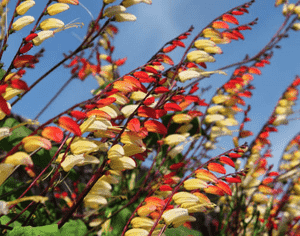
This lively climbing plant, recognized by its brilliant, trumpet-like flowers, flourishes with consistent care. Essential trimming techniques for spanish flag include reducing stems to robust sections to foster a denser form and eliminating any lifeless or ailing branches to preserve the plant's health. The most effective time for pruning is in late winter or early spring, which encourages fresh development that contributes to the season's flowering. For spanish flag specifically, pruning enhances the floral show and can manage vigorous expansion, guaranteeing an impressive and controllable presentation in garden environments.
What Are the Benefits of Pruning Spanish Flag?
What Are the Benefits of Pruning Spanish Flag?
Trimming spanish flag promotes robust development and maintains its desired shape. By carefully removing plant sections, it directs energy towards building a strong structure and abundant flowers, while keeping its decorative look well-groomed.
What Is the Best Time for Pruning Spanish Flag?
What Is the Best Time for Pruning Spanish Flag?
Late winter and early spring are considered the ideal times for pruning spanish flag as these periods precede the plant's active growth phase. Trimming in late winter, before new growth starts, allows spanish flag to channel its energy into developing new shoots and blooms once the growing season begins. Furthermore, the absence of leaves at this time provides gardeners with better visibility for precise cuts and fosters a healthier, more vigorous plant structure. Pruning in early spring, just as new growth emerges, enables gardeners to shape the plant and manage its size, which is vital for maintaining plant health and enhancing the display of its unique flowers. These seasons ensure that pruning does not interfere with spanish flag's flowering period, preserving the plant's ornamental value and vitality throughout the growing season.
What Tools Do I Need to Prune Spanish Flag?
Bypass Pruners
For accurate and healthy cuts on spanish flagâs stems, bypass pruners provide sharp, scissor-like blades perfect for cutting through its relatively soft, herbaceous material without causing unnecessary harm to the plant.
Gloves
To shield the gardener's hands from sap and ensure a firm grip on the tools, gloves are an essential item when trimming spanish flag.
Hand Saw
For older or woodier stems of spanish flag, which may be tougher, a hand saw is suitable for making clean cuts without straining the gardener's hands.
Pruning Shears
Pruning shears, similar to bypass pruners but designed for delicate tasks, are ideal for shaping spanish flag and removing smaller, unwanted shoots.
How to Prune Spanish Flag
Disinfect Tools
Ensure all pruning tools are clean and disinfected before starting to prevent the spread of disease to spanish flag.
Identify
Carefully examine spanish flag to identify the diseased and withered leaves that require trimming. Look for any signs of discoloration, spots, or decay.
Isolate
Gently isolate the diseased or withered leaf from the healthy parts to avoid damage to spanish flag's healthy foliage and stems.
Cut
Using sharp pruning shears, make a clean cut to remove the diseased or withered leaf at the base near the stem, taking care not to harm adjacent leaves or stems of spanish flag.
Dispose
After pruning, promptly dispose of the diseased and withered leaves away from spanish flag to prevent any potential spread of disease or pests.
Common Pruning Mistakes with Spanish Flag
Over-Pruning
Cutting back too much of spanish flag can weaken the plant, reduce flowering, and potentially kill younger or less established specimens.
Improper Cut Location
Making cuts either too far from or too close to a bud can result in poor regrowth or damage to the emerging shoots of spanish flag.
Using Dull Tools
Pruning with dull or unclean implements can create jagged cuts that are more susceptible to disease and can harm the plant's overall health.
Neglecting Plant Structure
Failing to consider the natural form of spanish flag can lead to an undesirable shape and may impair its growth pattern.
Common Pruning Tips for Spanish Flag
Selective Pruning
Remove only dead, diseased, or overcrowded stems to maintain the health and appearance of spanish flag without excessive cutting.
Clean Cuts
Make clean, angled cuts just above leaf nodes to promote healthy new growth without risking damage to the main stem.
Aftercare
After pruning, ensure that spanish flag receives adequate water and nutrients to recover and thrive, helping prevent stress that may hinder blooming.
Tool Maintenance
Keep pruning tools sharp and sanitized to make precise, clean cuts and reduce the chance of transmitting diseases between plants.



