How to Prune Sweet potato vine?
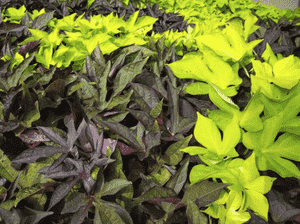
This herbaceous perennial thrives in warmer environments and is recognized for its palatable tubers and vivid leaf presentations. Sweet potato vine benefits from trimming to foster a denser form and avert excessive elongation. Sever the tips of the vines and any discolored foliage. Optimal pruning occurs from early spring through late autumn, facilitating recuperation and abundant development. Trimming can also incite tuber formation, offering the additional advantage of maintaining an orderly garden and a robust vine.
What Are the Benefits of Pruning Sweet Potato Vine?
What Are the Benefits of Pruning Sweet Potato Vine?
Trimming sweet potato vine promotes robust development and maintains its form, leading to a healthier, more productive vine capable of yielding superior tubers. It also helps reduce pest and disease problems.
What Is the Best Time for Pruning Sweet Potato Vine?
What Is the Best Time for Pruning Sweet Potato Vine?
Pruning sweet potato vine in early spring allows it to focus energy on developing new, healthy growth instead of sustaining older, potentially damaged or diseased foliage. It also minimizes the risk of removing new shoots that will emerge as temperatures rise. Late fall pruning, once all growth has ceased, is beneficial as it prepares sweet potato vine for dormancy and permits the removal of dead or spent vines without stressing the plant. These pruning times align with sweet potato vine's active growth and dormant periods, respectively, ensuring a strong return in the subsequent growing season while preserving the plant's health and visual appeal.
What Tools Do I Need to Prune Sweet Potato Vine?
Hand Pruners
Perfect for precise cuts to remove dead or overgrown vines from sweet potato vine. They should be sharp and clean to ensure a healthy cut without harming the plant.
Shears
Useful for shaping and managing the spread of sweet potato vine, especially if it's grown as a ground cover or for ornamental purposes.
Gloves
Protects the gardener's hands from potential skin irritation when handling sweet potato vine and keeps hands clean during the trimming process.
Garden Knife
Aids in removing old, woody stems of sweet potato vine or cutting through tough sections of the vine during pruning or harvesting.
Disinfectant
Crucial for cleaning tools before and after use to prevent the spread of disease among sweet potato vine plants.
How to Prune Sweet Potato Vine
Step1: Identifying Prunable Plant Parts
Identify the parts of sweet potato vine that need pruning, including withered leaves, yellow leaves, and damaged vines. Wearing gloves, inspect the plant for any signs of these issues.
Step2: Preparing Pruning Tools
Clean and sharpen your pruning tools before you begin. Sanitize them with rubbing alcohol to prevent the spread of diseases.
Step3: Pruning Withered Leaves
Start with withered leaves. Using your pruning shears, snip the leaf stem where it connects to the vine. Make a clean cut to avoid harming the plant tissues.
Step4: Removing Yellow Leaves
Remove yellow leaves by cutting them at the base of their stem, close to the main vine. Prune back to healthy tissue to encourage new growth.
Step5: Cutting Back Damaged Vines
For damaged vines, locate the point of healthy tissue nearest to the damage. Make a cut approximately 1/4 inch above a leaf node to promote new vine growth.
Step6: Shaping the Plant
After removing the unhealthy parts, shape sweet potato vine by selectively trimming back excessively long vines to maintain the desired size and form. Cut just above a leaf node at a 45-degree angle.
Step7: Disposing of Pruned Material
Carefully gather all the pruned material and dispose of it away from your garden to prevent potential disease transmission.
Step8: Watering Post-Pruning
Water sweet potato vine after pruning to help alleviate plant stress and to wash away any residual sap that may have been released from the cuts.
Step9: Monitoring Plant Recovery
Observe sweet potato vine for a few days to ensure it recovers well from pruning and check for any signs of new growth or further problems.
Post-Pruning Care for Sweet Potato Vine
Post-Pruning Care for Sweet Potato Vine
Immediately after trimming sweet potato vine, water the plant thoroughly to reduce stress. Maintain a warm environment, ideally between 65°F to 95°F, ensuring high humidity and partial to full sunlight exposure. Apply a balanced fertilizer to aid in recovery and encourage vigorous growth. Monitor sweet potato vine for wilting or discolored foliage, which may indicate stress or disease. If signs of infection appear, treat with an appropriate fungicide or insecticide. Regularly check soil moisture, and adjust watering frequency to keep the soil consistently moist but not waterlogged.
Common Pruning Mistakes with Sweet Potato Vine
Over Pruning Reduces Tuber Output
Trimming sweet potato vine too aggressively can lead to stress and a decrease in tuber production.
Improper Cuts Lead to Poor Growth Shape
Making cuts on sweet potato vine's vines without considering the overall shape and health of the plant may result in uneven or unattractive growth.
Dull Tools May Introduce Plant Diseases
Using dull or dirty pruning tools can damage sweet potato vine's stems, potentially introducing disease to the plant.
Common Pruning Tips for Sweet Potato Vine
45-Degree Cuts Above Leaf Nodes for Growth
When trimming sweet potato vine, make clean cuts at a 45-degree angle just above a leaf node to encourage new growth where desired.
Remove Dead Foliage to Preserve Plant Health
Regularly remove dead or damaged leaves and stems from sweet potato vine to maintain plant health and vigor.
Pinch Tips for Fuller Plant and Side Branches
To promote a fuller appearance in sweet potato vine, pinch off the tips of vines early in the growing season to encourage side branching.



