How to Prune Moonflower?
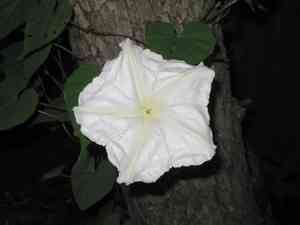
This vine, which blossoms at night, is renowned for its aromatic white flowers that open as evening approaches. For moonflower, trimming ought to concentrate on eliminating deceased or excessively long stems to foster air circulation and light access. Cutting directly above a leaf junction stimulates denser development. Trimming can be performed at any point, as moonflower tolerates reduction in any period. Consistent pruning deters uncontrolled expansion and preserves a controllable form, thereby improving the presentation of its unique radiant blossoms.
What Are the Benefits of Pruning Moonflower?
What Are the Benefits of Pruning Moonflower?
Trimming moonflower is advantageous as it promotes more abundant flowering, stimulates robust development, and helps maintain its desired form and size, ensuring an attractive display.
What Is the Best Time for Pruning Moonflower?
What Is the Best Time for Pruning Moonflower?
Trimming moonflower in early spring fosters a strong growth cycle by eliminating any dead or frost-damaged vines as the plant emerges from dormancy. This timing aligns with the vigorous growth phase when the risk of harming new shoots is minimal and plants can recover quickly. Additionally, light trimming after blooming helps maintain the desired shape, prevents overgrowth, and might encourage a second bloom in suitable climates. These periods avoid stressing the plant during peak growth or when it's conserving energy for the next cycle, thus aligning with its natural growth rhythm.
What Tools Do I Need to Prune Moonflower?
Hand Shears
Given its climbing habit, moonflower frequently requires shaping and management. Hand shears are accurate and easy to handle, making them perfect for snipping off unwanted or overgrown shoots without harming the main plant.
Pruning Scissors
Moonflower possesses delicate stems, which are best managed with pruning scissors. This tool allows for precise cuts that encourage healthy growth while preventing any unnecessary damage to the plant.
Long-Handled Loppers
When cutting thicker, woodier stems or reaching elevated areas where moonflower might ascend, long-handled loppers offer the leverage and reach necessary for an effective cut.
How to Prune Moonflower
Step1: Tool Preparation and Sterilization
Prepare your pruning implements by ensuring they are sharp and clean. Disinfect the blades with rubbing alcohol or a bleach solution to prevent disease transmission to moonflower.
Step2: Deadhead Flowers for Reblooming
Remove spent flowers to encourage continuous blooming and prevent moonflower from expending energy on seed production. Gently snip off faded blooms just above the first set of healthy leaves below the dead flower.
Step3: Remove Yellow Leaves to Sustain Health
Eliminate yellow leaves, which may signal disease or stress, to preserve plant health and appearance. Carefully snip them off where the leaf stem meets the main vine, taking care not to damage healthy adjacent leaves or stems.
Step4: Cut Back Withered Branches for Growth
Trim withered branches, which could impede the growth of moonflower. Cut these branches back to the nearest healthy growth or main vine, making clean cuts at a 45-degree angle to promote healing and new growth.
Step5: Selective Pruning for Shape and Airflow
Control overgrowth through selective pruning to preserve the natural shape of moonflower and ensure adequate air circulation. Identify the most vigorous vines and trim them back, leaving several nodes on the vine for new shoots to emerge.
Step6: Cleanup Pruning Debris to Prevent Pests
After pruning, clear away any fallen debris from the surrounding area to minimize the risk of pests or disease.
Step7: Water Plant Post-Pruning for Recovery
Water moonflower thoroughly after pruning to help alleviate stress on the plant and to support recovery and regrowth.
Step8: Observe and Adjust Post-Pruning Care
Monitor moonflower over the subsequent weeks, adjusting care as needed and removing any additional dead or diseased growth that may appear as the plant heals and regrows.
Post-Pruning Care for Moonflower
Post-Pruning Care for Moonflower
Following moonflower pruning, immediately water the plant to help reduce stress. Maintain a consistent environment with partial to full sunlight, moderate humidity, and temperatures between 60-70°F. Apply a balanced, slow-release fertilizer to replenish nutrients. Monitor moonflower for wilting, discoloration, or signs of infection. If symptoms appear, adjust care or consult an expert. Diligent monitoring and care adjustments are crucial for moonflower's recovery and flourishing growth.
Common Pruning Mistakes with Moonflower
Overpruning & Reduced Bloom Production
Excessive pruning, which can stress moonflower and diminish its capacity for vigorous growth and bloom production.
Unsterilized Tools Spread Disease
Trimming without sterilizing the tools, potentially introducing diseases to moonflower.
Excessive Foliage Removal Impacts Growth
Removing too much foliage and not leaving enough leaves to sustain the plant's growth and energy production.
Improper Pruning Damages Structure & Flowers
Cutting too close to the main stems or blooms, which can damage the plant's structure or reduce flowering.
Ignoring Dead Growth Harms Plant Health
Failing to remove dead or diseased growth, which can impede healthy growth and may lead to further infection.
Common Pruning Tips for Moonflower
Precise Cuts with Sharp, Clean Tools
Utilize sharp, clean tools to make precise cuts and minimize damage to moonflower's tissues, which promotes quicker healing.
Remove Dead Vines for New Growth
Focus on eliminating dead or damaged vines, which encourages new growth and more vigorous flowering.
Thinning for Better Air Circulation
Perform selective thinning of the vines to enhance air circulation, reducing the risk of fungal diseases.
Pinch Tips for Branching and Blooms
Pinch back the tips of moonflower to encourage branching and fuller growth, which leads to more blooms.
Balance Pruning with Natural Plant Form
Maintain a balance between pruning for shape and allowing moonflower to have a natural form, as excessive shaping can diminish its overall aesthetic and vitality.



