How to Prune Creeping indigo?
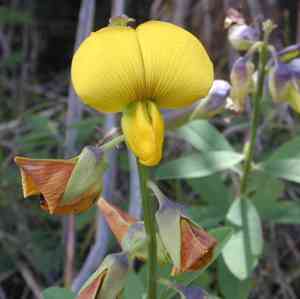
A low-growing leguminous plant featuring slender stalks, creeping indigo thrives with consistent trimming to preserve its form and thickness. Perform pruning in the spring, summer, or autumn, reducing its length by up to one-third to stimulate more compact development. Trimming during these periods of active growth facilitates rapid recuperation. Routine pruning deters creeping indigo from spreading excessively and fosters more vibrant leaves. Make sure cuts are clean to prevent the spread of pathogens and uphold the plant's visual appeal.
Advantages of Trimming Creeping Indigo
Advantages of Trimming Creeping Indigo
Trimming creeping indigo helps maintain a tidy shape, preventing it from spreading excessively into adjacent areas. Consistent pruning promotes more vigorous growth, ensuring dense, healthy coverage that can better resist pests and stress.
Optimal Pruning Times for Creeping Indigo
Optimal Pruning Times for Creeping Indigo
Pruning creeping indigo in Spring allows for the removal of any branches damaged by cold and supports new growth as warmer weather arrives. During Early Summer, light trimming helps maintain the desired shape and size of creeping indigo, as it is a period of active growth. In Late Fall, after the plant has bloomed and begun to enter dormancy, pruning can help prepare creeping indigo for the next growing cycle by removing spent flowers and excess growth, which can enhance the plant's overall health and appearance.
Tools Required for Pruning Creeping Indigo
Hand Pruners
Suitable for cutting small stems and branches of creeping indigo, providing gardeners with precise control over the pruning process.
Pruning Shears
Ideal for cutting through slightly thicker stems of creeping indigo, offering both precision and strength.
Garden Scissors
Useful for shaping and maintaining the appearance of creeping indigo, especially for removing unwanted runners or non-woody growth.
Loppers
These may be used for older or woodier parts of creeping indigo if it has been allowed to grow without regular pruning, providing leverage for cutting thicker stems.
How to Prune Creeping Indigo
Clean tools
Before beginning, ensure all pruning tools are clean and sharp to prevent disease transmission and make clean cuts on creeping indigo.
Identify
Identify and remove any diseased, damaged, or withered leaves from creeping indigo by cutting them at the base where the leaf meets the stem.
Cut angle
Make cuts at a slight angle to prevent water accumulation, which can lead to rot and disease in creeping indigo.
Disinfect
After pruning each plant, disinfect pruning tools to avoid spreading any potential pathogens between plants.
Monitor health
Regularly monitor creeping indigo for further signs of wilting or disease and remove affected parts as needed to maintain plant health.
Common Pruning Errors with Creeping Indigo
Over pruning
Removing too much foliage at once can stress creeping indigo, leading to poor growth or making it vulnerable to pests and diseases.
Under pruning
Failing to remove enough material may result in creeping indigo becoming leggy and overgrown, which can affect its overall health and aesthetic appeal.
Cutting technique
Incorrect cutting techniques, such as tearing or leaving jagged edges, can damage creeping indigo's stems and make the plant susceptible to infections.
Ignoring dead material
Neglecting to remove dead or diseased portions can hinder the growth of creeping indigo and spread disease throughout the plant.
Disinfection omission
Forgetting to disinfect pruning tools before and after use can transfer pathogens between plants and cause infections in creeping indigo.
General Pruning Advice for Creeping Indigo
Sharp tools
Utilize clean, sharp tools to make precise cuts and prevent damage to creeping indigoâs delicate stems.
Angled cuts
Make angled cuts just above a leaf node to encourage new growth and to prevent water accumulation, which could lead to disease.
Thin out
Thin out crowded areas to increase air circulation and light penetration, which benefits the overall health of creeping indigo.
Shape control
Regularly prune to maintain the desired shape and size, keeping in mind creeping indigo's growth habit and natural form.
Post-bloom trim
Trim back creeping indigo promptly after flowering to promote bushier growth and potentially encourage a second bloom.



