How to Prune Busy lizzie?
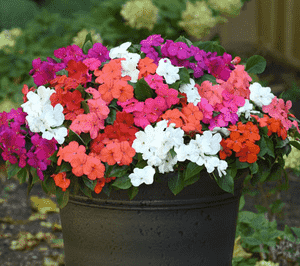
A favored ornamental, Impatiens walleriana flourishes with consistent removal of spent blossoms to stimulate flowering and gentle shaping to preserve its form. Significant cutting back is most effective from the beginning of spring until late autumn, eliminating faded blooms and elongated stalks to foster robust development and air circulation. Trimming this variety leads to a denser look and prolonged bloom cycles, guaranteeing cultivators appreciate vivid presentations across the entire cultivation period.
What Are the Benefits of Pruning Busy Lizzie?
What Are the Benefits of Pruning Busy Lizzie?
Trimming busy lizzie promotes abundant flowering and robust development by reallocating energy towards blossom creation. Consistent trimming helps maintain a compact form, enhancing its visual appeal. This practice also ensures a healthy plant structure, minimizing the risk of pest infestations and diseases.
What Is the Best Time for Pruning Busy Lizzie?
What Is the Best Time for Pruning Busy Lizzie?
In early spring, busy lizzie has not yet begun its rapid growth phase, making it the perfect time to shape the plant and remove any dead or damaged sections without causing stress. This pre-growth pruning allows the plant to focus its energy on healthy shoots, fostering a strong and floriferous season. Pruning in late autumn is also appropriate because busy lizzie has finished its bloom cycle by then, and any unnecessary foliage or non-viable parts can be removed to prepare the plant for dormancy. These precisely timed pruning periods ensure that busy lizzie maintains vigor and exhibits optimal growth and flowering patterns in line with its natural life cycle.
What Tools Do I Need to Prune Busy Lizzie?
Hand Pruners
Perfect for making clean cuts on busy lizzie without harming the stems, ensuring precise removal of dead or overgrown branches.
Scissors
Suitable for the delicate stems of busy lizzie, offering control when trimming smaller or intricate areas.
Gardening Gloves
Safeguard hands while handling busy lizzie, reducing the chance of scratches or irritation from plant sap.
Disinfectant
Prevents the spread of illness among busy lizzie plants, ensuring tools are sanitized before and after use.
How to Prune Busy Lizzie
Step1: Tool Preparation
Gather your trimming implements such as sharp, clean pruning shears or scissors. Sanitize tools prior to use to prevent disease transmission.
Step2: Identify Old Stems
Locate the old flowering stems of busy lizzie that have finished their blooming cycle. They are typically woody and have few leaves or dried blossoms.
Step3: Trimming Above Nodes
Cut the old flowering stems. Snip each stem just above a healthy leaf node to encourage new development. Leave about a quarter-inch above the node without cutting into it.
Step4: Locate Wilted Blooms
Find the faded flowers on busy lizzie. These are likely to be at the ends of younger, green stems or older stems that still have foliage.
Step5: Deadhead Wilted Blooms
Remove the wilted blooms by snipping them off at their base. This process, known as deadheading, encourages busy lizzie to produce more flowers.
Step6: Inspect for Disease
Examine busy lizzie for any diseased sections. These might include stems with lesions, discolored leaves, or any parts with fungal growth.
Step7: Prune Diseased Parts
Trim away the diseased portions. Cut well below the affected areas to ensure all diseased tissue is removed. Do not leave any stubs as they can be entry points for pathogens.
Step8: Shape the Plant
Shape busy lizzie if needed by selectively shortening stems that appear disproportionate to maintain an appealing form and size. Make each cut just above a leaf node, similar to step 3.
Step9: Debris Disposal
Clear away the debris and dispose of any diseased material safely, away from healthy plants to prevent disease spread.
Step10: Watering and Feeding
After pruning, water busy lizzie if the soil is dry and consider fertilizing with a balanced feed to support new growth.
Post-Pruning Care for Busy Lizzie
Post-Pruning Care for Busy Lizzie
Immediately after trimming busy lizzie, ensure the cuts are clean to promote proper healing. Place busy lizzie in bright, indirect light while avoiding direct sun exposure that can stress the recovering foliage. Maintain ambient humidity and a temperature range of 70-75°F to optimize recovery. Post-pruning, apply a balanced, diluted fertilizer to support new growth, but be cautious of over-fertilization which can harm busy lizzie. Vigilantly monitor for wilting, discoloration, or signs of infection, and if detected, adjust care or consult a plant health specialist promptly.
Common Pruning Mistakes with Busy Lizzie
Excessive Pruning Shocks Plant
Cutting too much from the busy lizzie can shock the plant and potentially hinder its growth. It's important to prune no more than one-third of the plant at a time.
Jagged Cuts with Dull Tools Risk Infection
Using dull or unclean pruning tools can result in jagged cuts and potential infection. Always use sharp, sanitized tools when trimming busy lizzie.
Indiscriminate Pruning Reduces Flowering Energy
Removing healthy leaves and stems without discretion can diminish the energy busy lizzie requires for blooming. Only prune dead or overgrown parts of the plant.
Ignoring Growth Pattern Results in Unshapely Plants
Trimming busy lizzie without considering its growth habit can lead to unattractive plants. It's essential to understand how busy lizzie grows to shape it effectively through pruning.
Failing to Deadhead Hinders New Blooms
Overlooking the removal of spent flowers, known as deadheading, which is vital in encouraging further blooming in busy lizzie.
Common Pruning Tips for Busy Lizzie
Pinching Tips Promotes Fuller Branching
Pinch back the tips of busy lizzie to encourage branching and create a bushier plant. Use your fingers or pruning shears to snip off the tips just above a set of leaves.
Regular Deadheading for Continuous Blooms
Deadhead faded blooms of busy lizzie regularly to stimulate new flower production and maintain the plant's appearance.
Trimming Leggy Stems Encourages Compact Growth
If busy lizzie becomes leggy, cut back the stems to a healthy set of leaves. This will promote more compact growth.
Angled Cuts Above Nodes for Healthy Pruning
When trimming busy lizzie, make clean cuts at a slight angle, just above a node where the leaf connects to the stem. This angle encourages healing and new growth.
Sterilizing Tools Prevents Disease Spread
Sanitize your pruning tools before and after tending to busy lizzie to prevent the spread of disease among your plants.



