How to Prune New guinea impatiens?
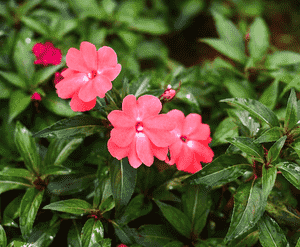
This lively flowering plant flourishes in conditions ranging from partial to abundant sunlight, showcasing a spectrum of vivid blossoms. For new guinea impatiens, the prompt removal of nascent stems fosters a more compact and dense development. Removing spent blooms preserves its visual charm and stimulates additional flowering. The most suitable period for trimming extends from early spring through late autumn, coinciding with its vigorous growth period. It is essential to refrain from pruning during winter to avert harm from low temperatures. By adhering to these trimming techniques, cultivators can boost the new guinea impatiens's vitality and ornamental value.
What Are the Benefits of Pruning New Guinea Impatiens?
What Are the Benefits of Pruning New Guinea Impatiens?
Trimming new guinea impatiens promotes abundant flowering, revitalizes growth, and maintains a compact, attractive shape, crucial for its decorative appeal.
What Is the Best Time for Pruning New Guinea Impatiens?
What Is the Best Time for Pruning New Guinea Impatiens?
These periods are considered ideal because new guinea impatiens's growth cycle actively resumes in early spring as temperatures rise and daylight increases, fostering robust development. Pruning at this time encourages healthy new shoots and can enhance flowering. Throughout the summer, regular trimming helps maintain form and prevents legginess. As new guinea impatiens continues to grow until late fall in many climates, light trimming during this period can also help tidy the plant before winter dormancy, though heavy pruning should be avoided late in the season to prevent stimulating new growth that may be damaged by cold.
What Tools Do I Need to Prune New Guinea Impatiens?
Sharp, Clean Bypass Pruners
Optimal for making precise cuts on new guinea impatiens, bypass pruners inflict less damage to the plant's delicate stems compared to anvil-style pruners.
Micro-Tip Snips
These are perfect for deadheading new guinea impatiens and trimming small, tender shoots without causing unnecessary harm to the plant.
Gardening Gloves
Protects hands from thorns and sap while pruning new guinea impatiens, ensuring safety and cleanliness.
Soft Cloth
Used to wipe the blades of pruning tools between cuts to prevent the spread of disease among new guinea impatiens plants.
How to Prune New Guinea Impatiens
Step1: Sanitizing Pruning Tools
Sanitize your pruning tools before you start to prevent the spread of diseases. Use a solution of 1 part bleach to 9 parts water and soak the shears for 30 minutes, then rinse and dry them thoroughly.
Step2: Deadheading for Reblooming
Begin by removing dead flowers from new guinea impatiens, which will encourage new blooms and improve the plant's appearance. Pinch off the spent flower heads just above the first set of healthy leaves using your fingers or snip with clean scissors.
Step3: Removing Non-productive Stems
Examine new guinea impatiens for old stems that are not producing flowers or leaves. These stems can be cut back to their point of origin or to a set of healthy leaves. Make the cut at a 45-degree angle to promote healthy regrowth and water runoff.
Step4: Excising Diseased Plant Sections
Identify any diseased section of new guinea impatiens, manifested by discolored, spotted, or wilted leaves and stems. Using sanitized pruning shears, cleanly cut out these sections well into the healthy tissue to ensure all diseased parts are removed.
Step5: Discarding Diseased Clippings
After cutting away diseased sections, immediately discard the material in the trash, not in your compost, to avoid spreading the disease. Sterilize your pruning tools again after this step.
Step6: Shaping and Airflow Improvement
Lightly shape new guinea impatiens by trimming back overgrown branches to maintain the desired shape and size. This light shaping will also help improve air circulation within the plant, which is essential for its overall health.
Step7: Post-Pruning Plant Monitoring
Monitor new guinea impatiens closely after pruning for signs of new growth. Regularly check for pests and disease, as pruning can sometimes stress plants and make them more susceptible to problems.
Step8: Post-Prune Watering
Water new guinea impatiens thoroughly after pruning to help reduce stress on the plant. Ensure the soil is well-drained to prevent over-saturation, which can cause root rot.
Step9: Fertilizing for Growth Recovery
Apply a balanced, water-soluble fertilizer following pruning to provide new guinea impatiens with the nutrients it needs to recover and produce new growth.
Step10: Pruning Waste Disposal
Dispose of all pruning waste responsibly to keep the gardening area clean and prevent potential disease or pest issues.
Post-Pruning Care for New Guinea Impatiens
Post-Pruning Care for New Guinea Impatiens
Immediately after pruning new guinea impatiens, it's crucial to ensure the plant has proper moisture; water lightly to help recovery. Position new guinea impatiens in bright, indirect light, avoiding direct sunlight, and maintain a consistent temperature of 65-75°F and high humidity. Apply a balanced, water-soluble fertilizer to promote growth, carefully following the product's recommended dosage. Regularly inspect for signs of stress, such as wilting or discoloration, and for infection indicators like unusual spots or decay. If symptoms occur, isolate the plant and consult a plant health expert.
Common Pruning Mistakes with New Guinea Impatiens
Over-Pruning Stress and Blooming Reduction
Excessive pruning which may stress new guinea impatiens and lead to reduced blooming or even plant death.
Damaging Stems with Dull, Dirty Tools
Using dull or dirty cutting tools that can damage the stems of new guinea impatiens and introduce diseases.
Pruning without Assessing Plant Health
Pruning without assessing the plant's current health and structure, resulting in unnecessary or harmful cuts.
Excessive Foliage Removal Hinders Growth
Removing too much foliage at once, which can limit new guinea impatiens's ability to photosynthesize and grow.
Common Pruning Tips for New Guinea Impatiens
Sharp, Clean Cuts for Faster Healing
Use sharp, clean pruning shears to make clean cuts on new guinea impatiens, which will help the plant heal faster and reduce disease risk.
Deadheading Spent Flowers to Boost Blooms
Focus on deadheading spent flowers to encourage new guinea impatiens to produce more blooms, using your fingers or a small scissor to pinch them off.
Light Pruning for Shape and Health
Conduct light pruning to shape new guinea impatiens and remove leggy or weak growth, which promotes a fuller and healthier plant.
Pruning for Better Air Circulation
Prune new guinea impatiens to maintain good air circulation within the plant and reduce the risk of fungal diseases.



