How to Prune Garden balsam?
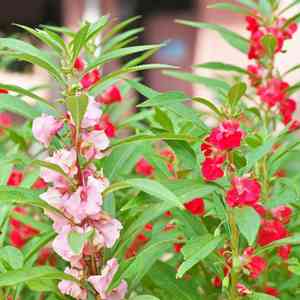
This annual plant, which reseeds itself, displays brilliant blossoms and flourishes in damp, adequately drained earth. For garden balsam, snip the ends of juvenile plants to foster a more compact form, and remove spent blooms consistently to encourage uninterrupted flowering. Trim garden balsam from the beginning of spring until the end of autumn, concentrating on eliminating faded flowers and elongated stalks. This precise trimming enhances flowering, prevents uncontrolled proliferation, and preserves the plant's vitality and visual appeal.
What Are the Benefits of Pruning Garden Balsam?
What Are the Benefits of Pruning Garden Balsam?
Trimming garden balsam encourages robust development and maintains its desired form. By eliminating spent blossoms and overgrown stalks, energy is redirected towards fresh, healthy growth, enhancing both its visual appeal and vigor.
What Is the Best Time for Pruning Garden Balsam?
What Is the Best Time for Pruning Garden Balsam?
Pruning garden balsam in early spring stimulates new growth and helps maintain a desirable shape as the plant begins its growth cycle. This timing ensures that the plant has recovered from winter dormancy and can heal quickly from any cuts, reducing the risk of disease. Additionally, trimming during the growth period allows the gardener to guide the bushiness and overall form of garden balsam. Trimming should taper off in late fall to prevent new growth that may not withstand winter temperatures. Avoid pruning in winter when garden balsam is dormant, as this can weaken the plant and expose it to frost damage.
What Tools Do I Need to Prune Garden Balsam?
Hand Pruners
Hand pruners, also known as secateurs, are ideal for cutting stems and branches of garden balsam up to about ½ inch thick. They enable precise cuts without damaging the delicate stems of garden balsam.
Pruning Shears
Pruning shears, particularly those with a bypass blade, function well for shaping garden balsam and controlling its growth. They make clean cuts, which is important for the health of garden balsam.
Gardening Gloves
Gardening gloves are not a cutting tool, but they are essential for protection when pruning garden balsam. They safeguard the hands from potential irritants or thorns that garden balsam may have.
Cleaning Cloth
A cleaning cloth or alcohol wipes are necessary to clean the blades of the pruning tools before and after use to prevent the spread of disease among garden balsam plants.
How to Prune Garden Balsam
Step1: Identifying Pruning Targets
Pinpoint the overgrown stems, withered flowers, and damaged stalks on garden balsam. These areas will be the focus for pruning.
Step2: Preparing Pruning Tools
Ensure that all pruning tools are clean and sharp to make clean cuts and avoid the spread of disease to garden balsam.
Step3: Deadheading Wilted Blooms
Start by removing wilted flowers, cutting the stem just above the first set of healthy leaves. This deadheading process encourages garden balsam to produce more blooms.
Step4: Trimming Overgrown Stems
To address overgrown stems, trim them back to the desired shape and size. Cut just above a leaf node or a branching point to promote new growth.
Step5: Cutting Damaged Stems
For damaged stems, make the cut at a point below the damage but above a node where new growth can sprout. Be sure to remove any diseased or unhealthy tissue completely.
Step6: Cleanup of Pruning Debris
After pruning, clear away all cuttings and debris from around garden balsam to prevent any potential diseases or pests from taking hold.
Step7: Post-Pruning Watering
Water garden balsam after pruning to help it recover, but avoid overwatering as garden balsam prefers well-drained soil.
Step8: Observing Post-Prune Recovery
Monitor garden balsam after pruning for signs of new growth or any further issues. Additional pruning may be necessary for shape or to remove additional dead or damaged growth.
Post-Pruning Care for Garden Balsam
Post-Pruning Care for Garden Balsam
Immediately after pruning garden balsam, ensure clean cuts to avoid infection. Maintain moderate humidity and indirect sunlight to reduce stress. Adjust temperature to 60-75°F for optimal recovery. Post-pruning, apply a balanced, slow-release fertilizer to nourish garden balsam. Monitor for wilting or discolored leaves as signs of distress. At any indication of infection, such as unusual spotting, apply an appropriate fungicide. Regular observation is critical for the plant's healthy regrowth.
Common Pruning Mistakes with Garden Balsam
Dull Tools Cause Jagged Cuts and Disease
Using dull or dirty pruning tools can lead to jagged cuts and introduce disease to garden balsam.
Over-Pruning Stunts Growth and Flowering
Pruning too much at once can stress garden balsam, potentially stunting its growth or leading to poor flowering.
Delayed Removal of Damaged Stems Harms Health
Neglecting to remove dead or diseased stems promptly can allow issues to spread, compromising garden balsam's overall health.
Improper Cut Angle Affects New Growth
Failing to make clean, angled cuts just above leaf nodes can result in improper new growth or damage to garden balsam.
Neglecting Thinning Reduces Airflow and Light
Overlooking the need for occasional thinning can result in a dense canopy, reducing air circulation and light penetration, which is detrimental to garden balsam's vitality.
Common Pruning Tips for Garden Balsam
Use Sharp, Sanitized Tools for Healthy Cuts
Ensure pruning tools are sharp and sanitized before making cuts to promote healthy healing and prevent disease transmission in garden balsam.
Selective Pruning Encourages Bushier Growth
Conduct selective pruning to shape garden balsam and encourage bushier growth by cutting above a leaf node or branching point.
Remove Dead Stems to Preserve Plant Health
Regularly inspect garden balsam for dead, damaged, or diseased stems and remove them immediately to maintain plant health.
Cut at 45-Degree Angle for Quick Healing
Prune stems at a 45-degree angle to prevent water accumulation and promote quick healing.
Thin Stems for Better Airflow and Light
Thin out crowded stems to increase airflow and light penetration, aiding garden balsam's overall vigour and bloom production.



